







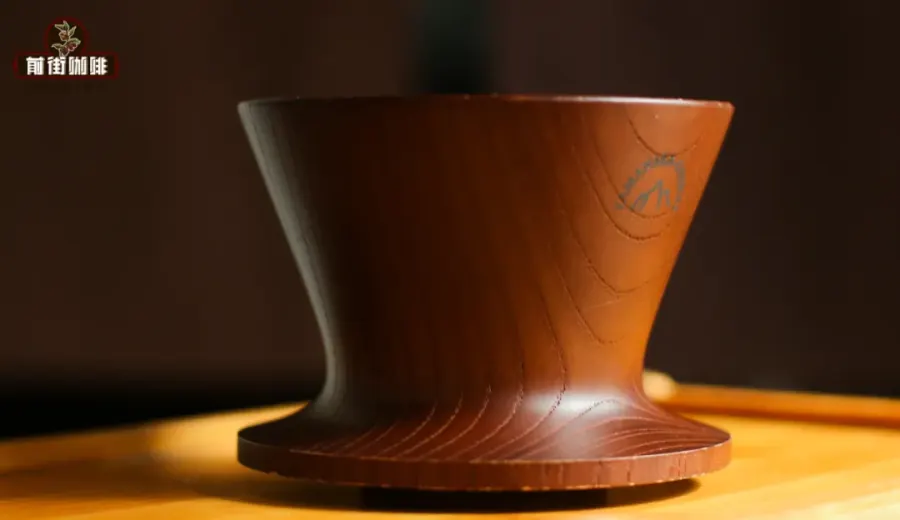
Introduction:Want to understand the real differences between Japanese handmade wooden filters and the V60? This article takes an in-depth look at the material characteristics and brewing performance of the Ansei-style filter, explores whether wood affects coffee flavor, and offers expert extraction tips for dark roasted beans. It also shares maintenance secrets to help you get the best performance from your handcrafted brewing tool.
Among the many pour over tools, the Ansei-style filter from the Yamankan lacquerware woodworking workshop in Japan’s Kaga region stands out with its all-wood material. This niche filter offers a striking contrast to the more common ceramic, glass, or metal options on the market—not only does it feel delicate to the touch, but it also carries a unique artisanal beauty.
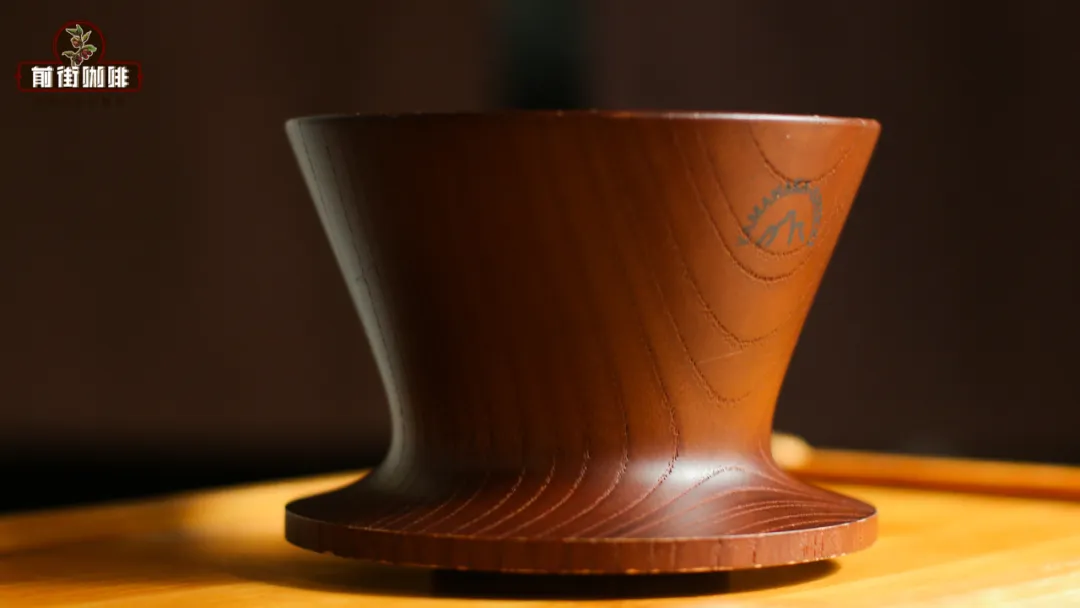
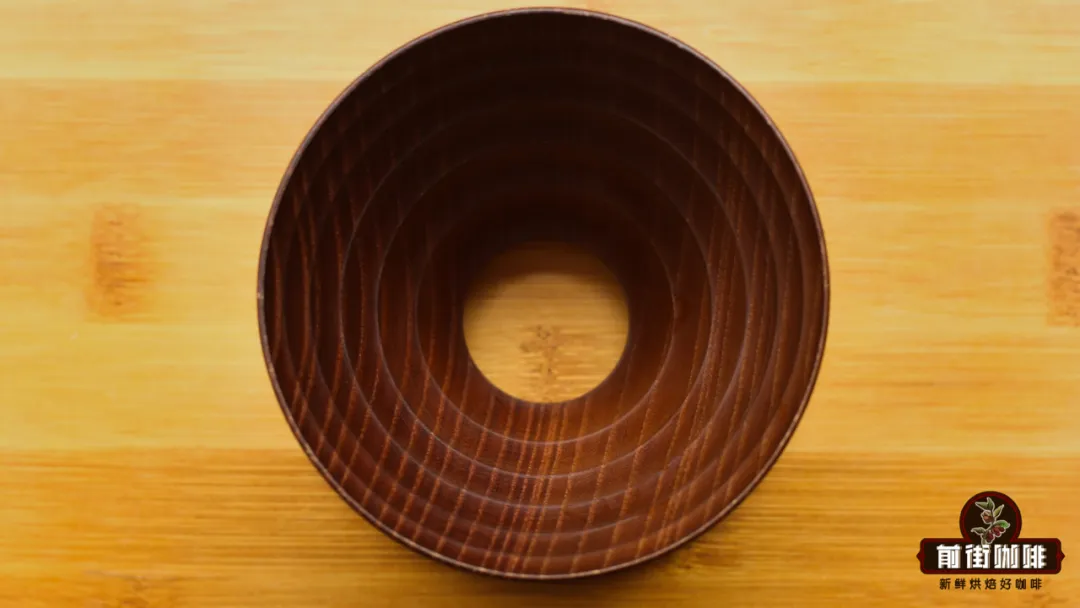
The most distinctive feature of the Ansei-style filter is its solid wood construction. Unlike typical filters made from ceramic, resin, metal, or glass, this one is crafted from finely textured solid wood. After being meticulously polished by skilled artisans, its surface is smooth and rounded, offering a lightweight grip that fully showcases the exquisite craftsmanship of traditional Japanese woodworking.
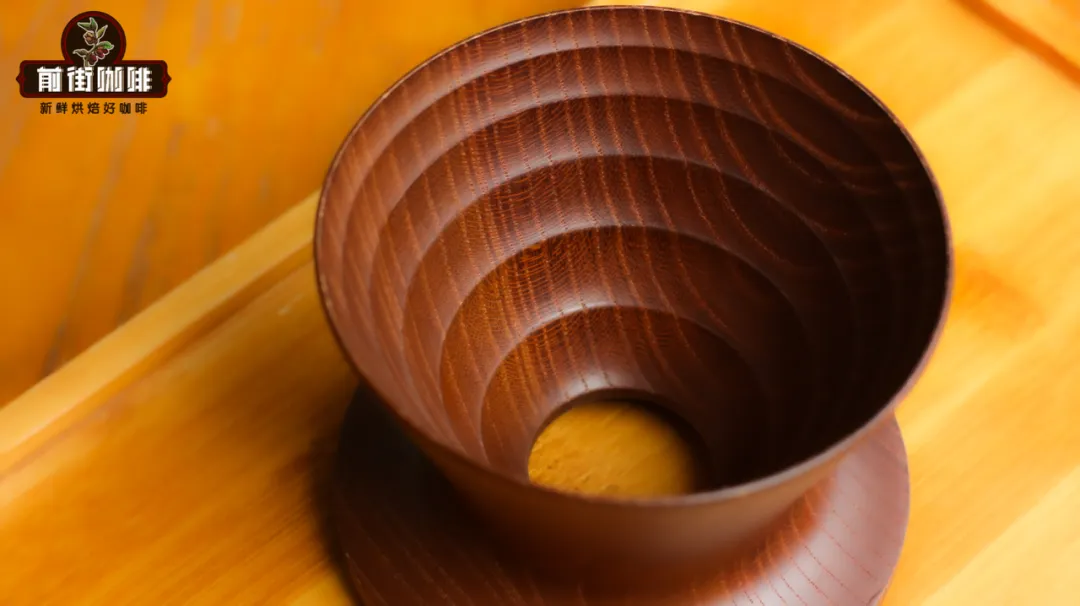
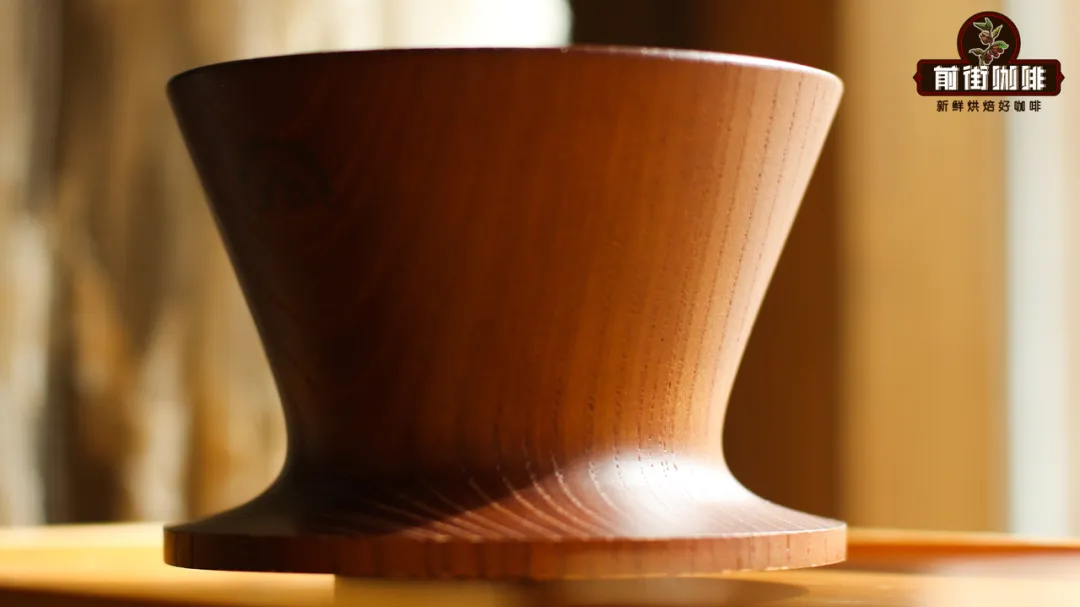
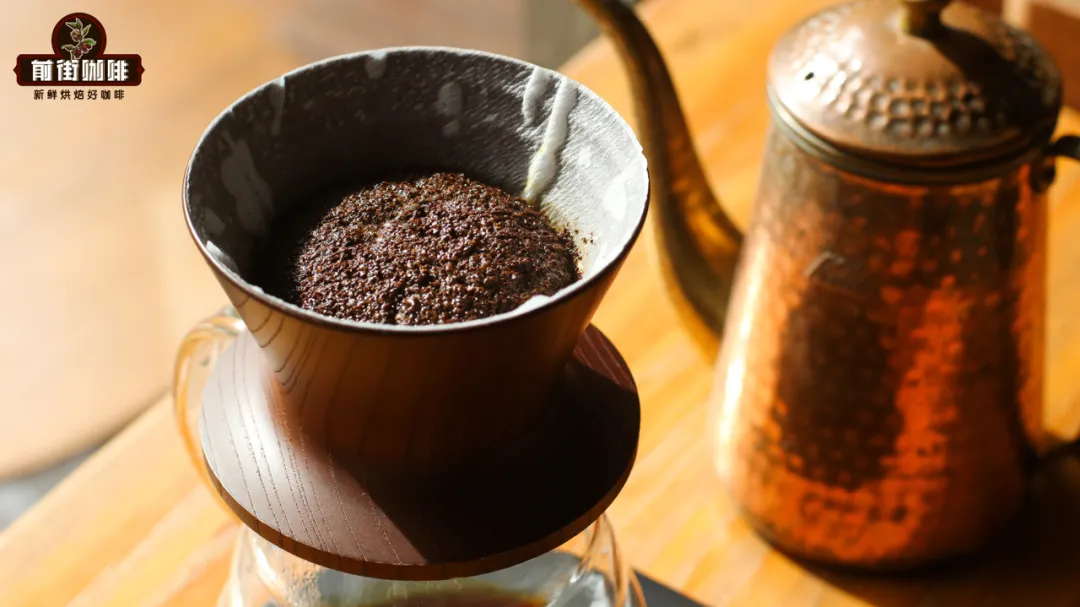
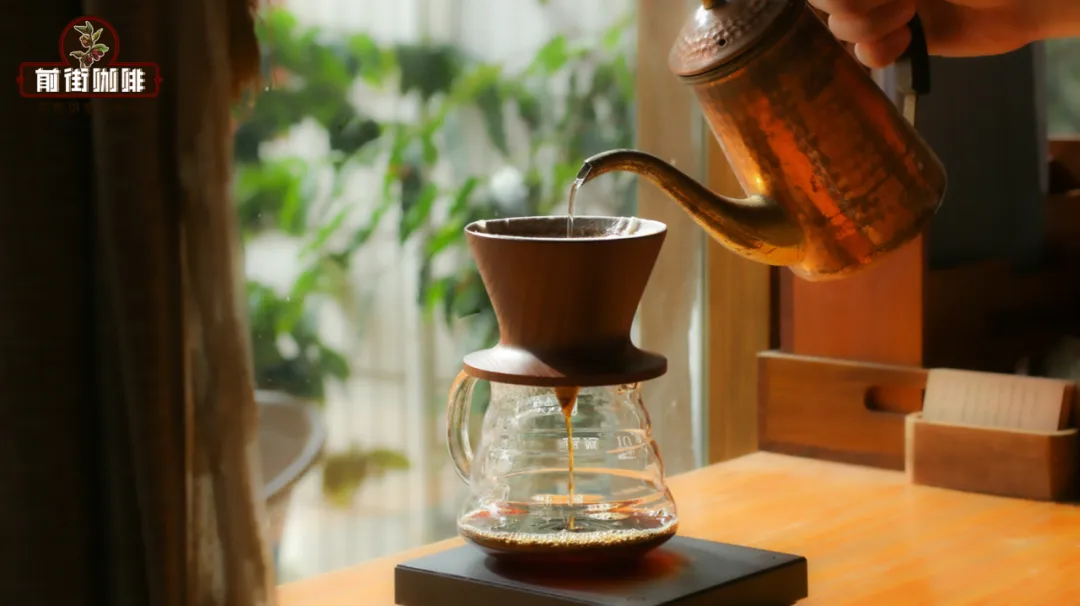
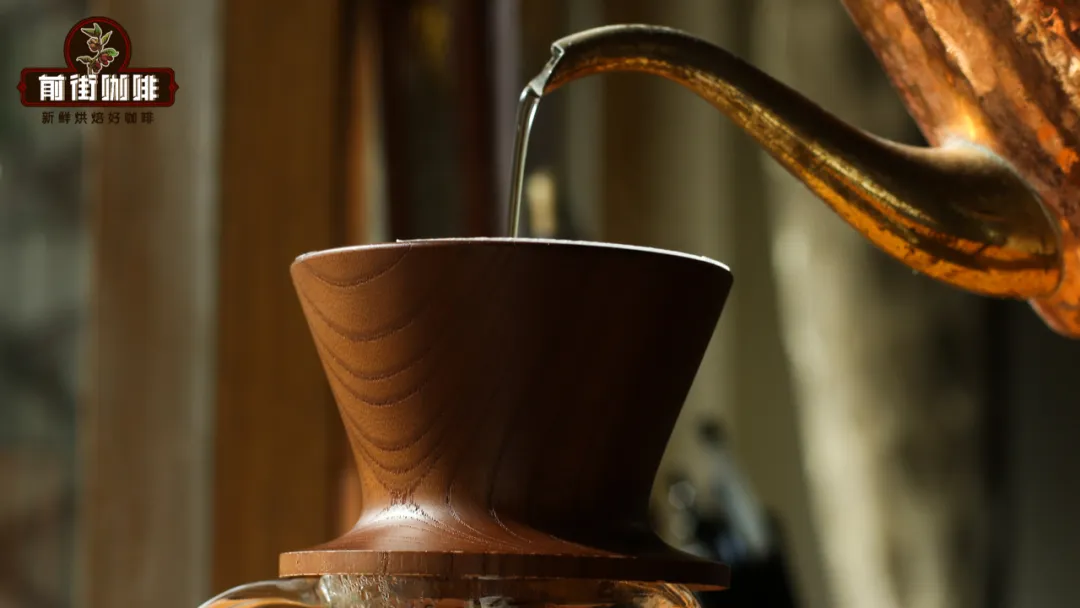
When actually using the Ansei-style filter to brew Blue Mountain coffee, its outstanding performance becomes evident. The coffee presents a rich mouthfeel, with clear notes of chocolate and nuts, a long-lasting aftertaste, and gentle acidity—overall, the flavors are balanced and elegant. Notably, no obvious woody smell was detected during brewing, which may be related to the natural dissipation of the wood’s odor after prolonged use.
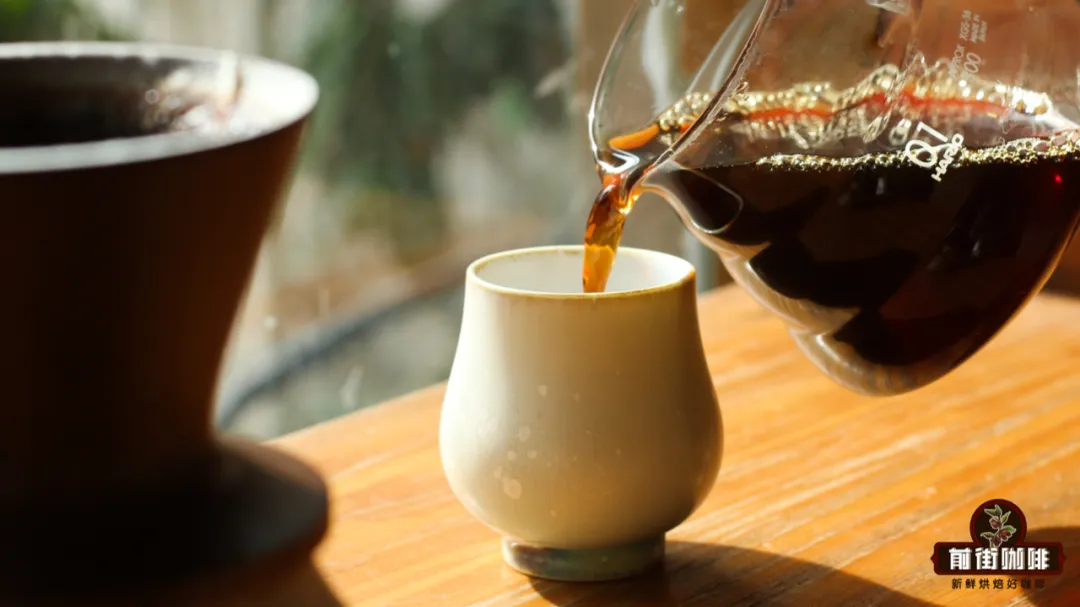
However, there are some practical considerations with this handcrafted filter. Users may find that the fit between the filter paper and the cup wall is not entirely ideal, with common issues including gaps between the upper part of the filter and the paper, or the bottom holes not sealing completely. But these minor handcrafting tolerances have limited impact on actual brewing and shouldn’t be a major concern.
For brewing dark roasted coffee beans, the following parameters are recommended for optimal results: a coffee-to-water ratio of 1:15 to 1:16, water temperature between 90–93°C, and a medium-coarse grind (similar in size to white sugar crystals). Brewing can be done using a three-stage pouring method: the first pour adds 30% of the total water for blooming, the second adds 50%, and the final pour adds the remaining 20%. The total brew time should ideally be kept between 2 minutes 30 seconds and 3 minutes.
Regarding filter maintenance, because it is made of solid wood, special care must be taken to avoid extreme environments. Official recommendations advise against placing the filter in dishwashers, dryers, microwaves, or refrigerators, and it should also be kept out of direct sunlight. When cleaning, gently wipe it with a soft sponge cloth—never use steel wool or other cleaning tools that might scratch the wood’s surface. Remember this simple rule: treat it gently, and it will stay with you for a long time.
The above content is compiled by CoffeeHunters, a coffee news website.


