








Introduction:Have you ever doubted your pour over technique because the coffee liquid appeared cloudy or had floating oils? In fact, the clarity of coffee is influenced by various factors, including brewing methods and the type of filter used. This article delves into the causes of coffee cloudiness, analyzes the sources of oils and filtration principles, and helps you understand whether cloudiness indicates poor quality—enabling you to more scientifically evaluate a coffee’s true performance.
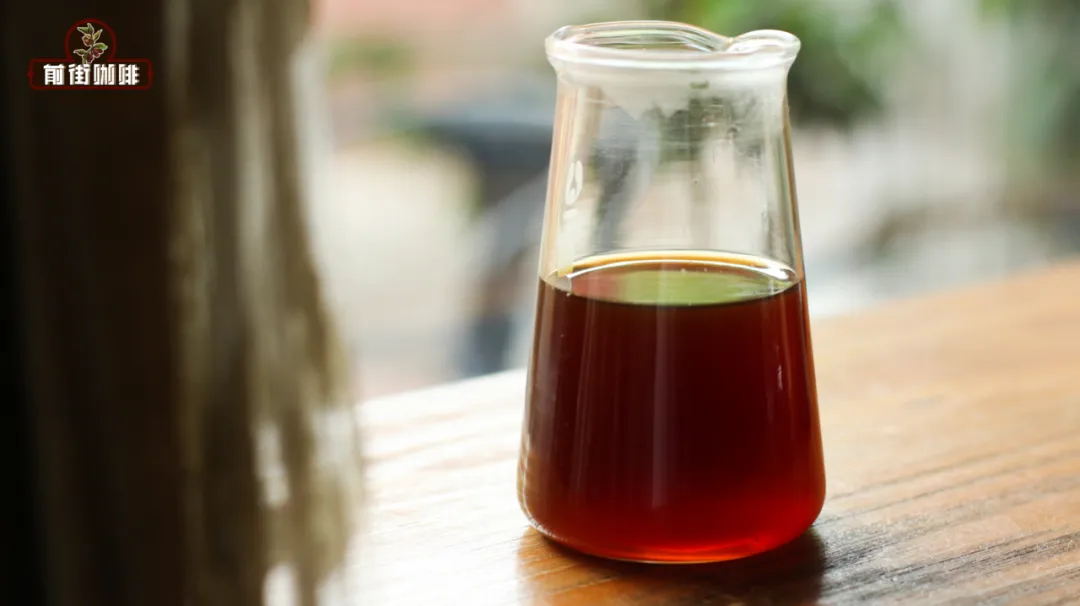
Many coffee enthusiasts, when tasting pour over coffee, habitually first observe the clarity of the coffee liquid, believing that a bright and clear cup equates to high quality. However, when you notice the coffee appears slightly cloudy or even has tiny floating oils, does that mean the coffee is problematic? In reality, the clarity of coffee liquid is not a simple criterion for judging its quality; it is affected by multiple variables, including brewing techniques, coffee grind size, and the filtration tools used.

Generally speaking, this pursuit of "cleanliness" mainly applies to black coffee—coffee without milk or sugar. Since black coffee isn’t influenced by milk or other additives, visual changes are more noticeable and thus become one of the references many people use to assess its quality. But the question is, can we truly determine the quality of a coffee based solely on its appearance?
The answer is no. The clarity of coffee is actually closely related to various factors during the extraction process. For example, when you use different brewing methods—such as pour over, French press, or AeroPress—the resulting appearance of the coffee liquid can vary greatly. Among these,the generation and distributionof oils

is one of the key reasons affecting the appearance of coffee liquid.
The oils in coffee mainly come from the fat content in coffee beans. Under appropriate extraction conditions, these oils may be released into the coffee liquid, forming tiny suspended particles or a floating layer. Especially under conditions of coarser grind and higher temperature extraction, oils are more likely to be released. Additionally, if you use a metal filter (such as in a French press or certain siphon brewers), which cannot effectively filter out very fine particles and oils, the coffee is more likely to appear murky.
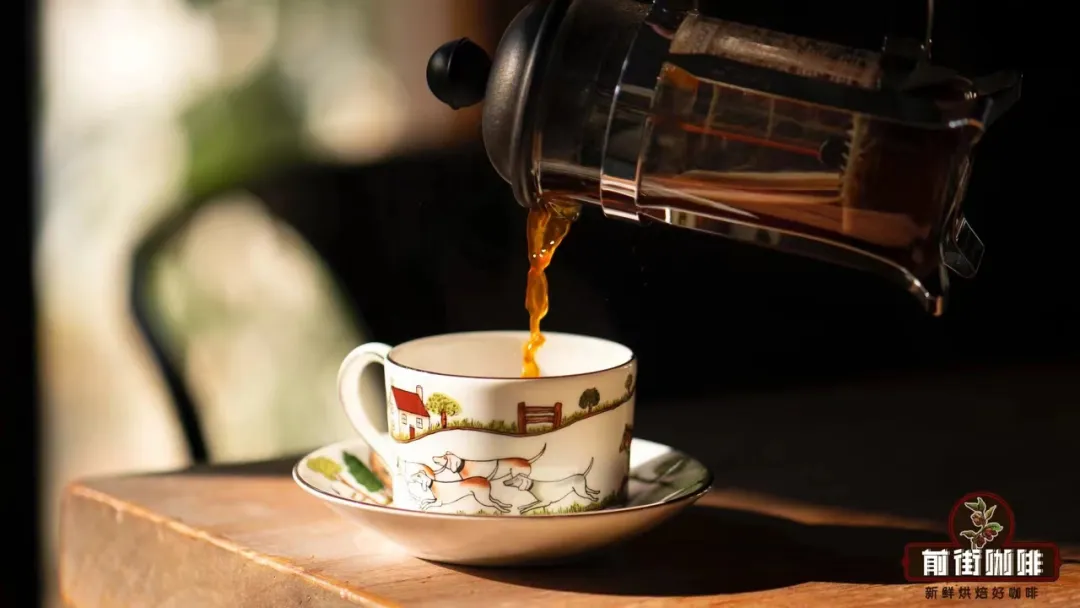
In contrast, pour over coffee filtered through paper filters usually results in clearer coffee liquid, as the paper traps most fine particles and oils. But even so, if the grind is too coarse or the water flow too fast—leading to under-extraction—the coffee may taste weak. Although it may look clear, it doesn’t necessarily mean the flavor is outstanding.
It’s worth noting that the "cleanliness" of coffee is not just a visual perception, but also relates to the overall clarity of flavors. A well-extracted, balanced cup of coffee, even if it shows slight suspended particles, may still have rich and distinct flavor profiles. Conversely, a coffee that looks clear but tastes bland or has off-flavors is not necessarily an ideal choice.So, can cloudy coffee be consumed? The answer is usually yes.Unless the coffee liquid shows obvious signs of spoilage (such as strange odors, mold, or discoloration)

, mild cloudiness is mostly normal and does not affect its safety for drinking. In fact, many professional baristas, when evaluating coffee, focus more on the layers of flavor and aftertaste, rather than using appearance alone as a basis for judgment.
- Overall, the key factors that influence the clarity of coffee liquid mainly include the following:Brewing method
- : Different tools such as pour over, French press, and AeroPress affect the release of oils and the degree of particle residue;Filter type
- : Paper filters can trap more fine particles and oils, while metal filters retain more substances;Grind size
- : Too coarse may lead to under-extraction, while too fine may cause over-extraction and increase cloudiness;Water temperature and brewing time
: These affect the dissolution balance of coffee compounds, thereby altering appearance and taste.Finally, it is recommended that all coffee lovers not obsess too much over whether coffee looks "clean." Compared to visual observation,personally tasting the balance of sweet, sour, and bitter notes, the layers of aroma, and the aftertaste is the key to evaluating a cup of coffee
The above content is compiled by CoffeeHunters, a coffee news website.


