








Introduction:When making cold brew at home, slow drip speed often becomes a deterrent. Even with properly ground coffee, fine particles can clog the filter paper, making the filtration process time-consuming and laborious. This article delves into the main reasons behind slow cold brew filtration and provides three tested methods to speed it up, including using a non-woven fabric filter bag for cold steeping, proper stirring before straining, and placing coarse grounds at the bottom to block fine particles. Master these techniques, and you can easily enjoy a clear and smooth iced brew even on busy mornings.
While making cold brew at home is enjoyable, many coffee enthusiasts hit a bottleneck during the filtration stage. Even when following the standard brewing procedure, the drip can become painfully slow—taking over ten minutes to finish—often due to fine particles accumulating and blocking the filter paper pores. Even when using a grind size similar to that for pour over, the cold brew filtration speed is noticeably slower, leaving one to wonder: what exactly is going wrong?

Generally, the cold brew process includes grinding, pouring water, refrigerating for steeping, and finally filtering out the grounds. But just when you’re ready to enjoy a refreshing iced coffee, filtration becomes the most time-consuming part. Especially for busy professionals, poor filtration speed not only delays your drink but can even affect your mood for the day. So, how can this situation be improved?
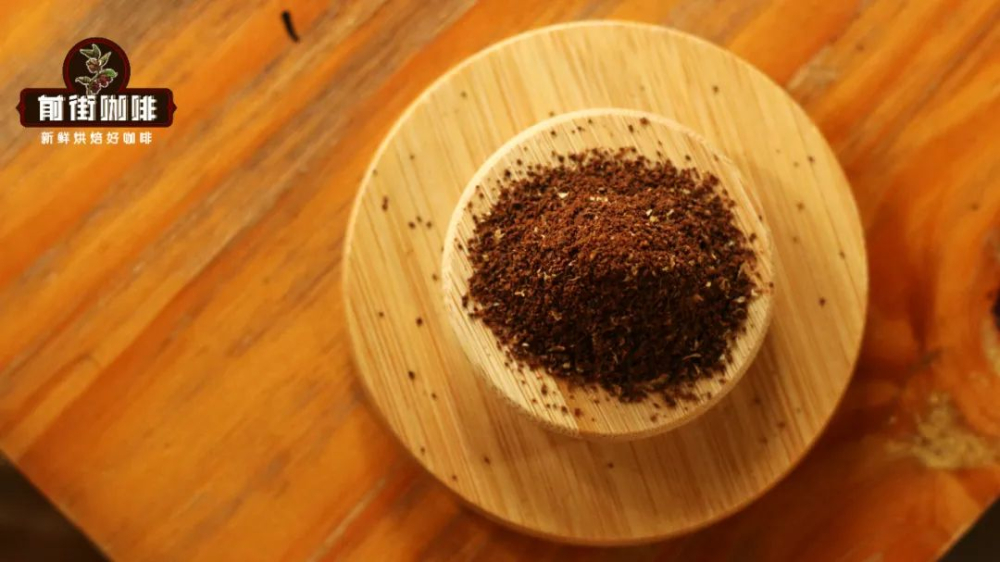
First, let’s understand the root cause of slow cold brew filtration. Although cold brew is quite forgiving in terms of grind size—typically recommending a medium-fine grind similar to pour over (about 70–85% through a 20-mesh sieve, grinder settings around 9–10.5 on an EK43s or 20–22 on a hand grinder like the C40)—in a low-temperature, static environment, fine particles tend to absorb water and clump together. These fine particle clumps not only reduce extraction efficiency but also clog the filter paper first, causing slow dripping and sometimes requiring multiple filters or extra filter cups to complete the process.
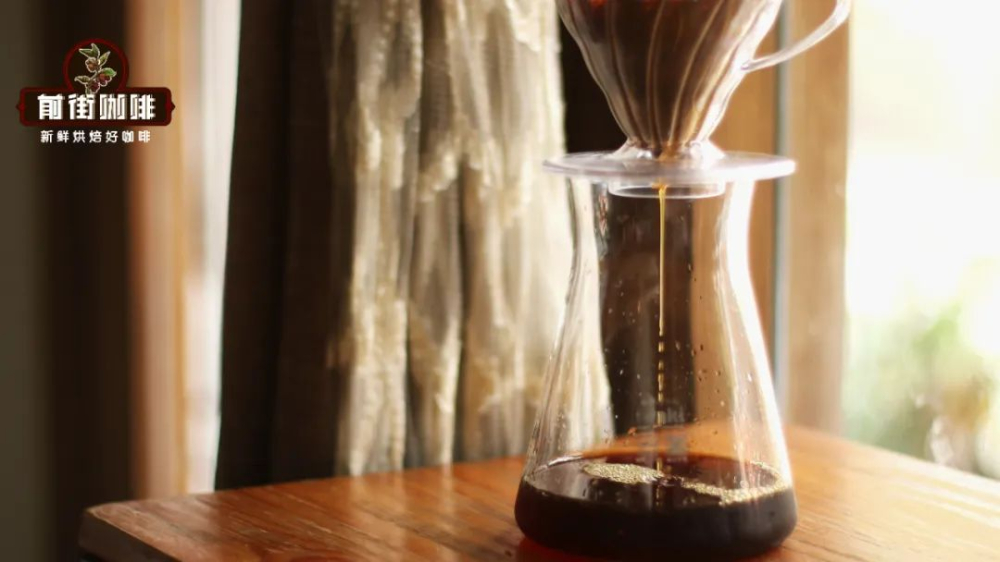
To address this common issue, we’ve compiled three practical and highly effective methods to speed up cold brew filtration, helping you improve filtration speed while maintaining the coffee’s flavor profile.
Method 1: Use a non-woven fabric filter bag for direct cold steeping
If you want to skip the tedious straining step, using a non-woven fabric filter bag is a convenient and effective choice. Simply put the appropriate amount of coffee grounds (recommended no more than 30 grams per use to avoid affecting water-to-coffee contact) into the bag, then place it in cold or room temperature water to steep, followed by direct refrigeration. This method not only saves time and eliminates the hassle of waiting for the drip to finish, but testing also shows it can preserve or even enhance certain fruity acidity flavors. It’s important to ensure the filter bag material has good water permeability, and gently shaking the bag during steeping helps achieve even extraction.
Method 2: Stir properly before straining
Some might think that if you don’t stir and just take the clear coffee liquid from the top, you can avoid the problem of fine particles clogging the filter. To test this, we compared two cold brew methods: “stirred then strained” vs. “not stirred, strained directly.” The results showed that unstirred coffee not only had a lighter color and lower measured concentration (stirred group: 2.07%, unstirred group: 1.75%), but also tasted dull with noticeable wateriness, almost devoid of the expected fruity acidity and layers of flavor. In contrast, coffee that was stirred properly before straining not only filtered faster but also had a richer flavor, featuring bright and sweet-tart notes like passion fruit, grape, and lemon—perfect for serving over ice.
Method 3: Use coarse coffee grounds at the bottom to block fine particles
Another practical tip is to place a layer of coarser coffee grounds at the bottom of the filter as a physical barrier. The specific steps are: after the cold brew steeping is complete, stir thoroughly and let it sit so most of the fine particles naturally settle. Then carefully pour the upper layer of coffee liquid into another container, leaving the fine-particle-rich sediment at the bottom. Next, take 2–3 spoonfuls of the settled coarse grounds and evenly spread them inside the filter paper, then pour the remaining coffee liquid for filtration. Testing shows this method significantly reduces the chance of fine particles directly contacting the filter paper, effectively speeding up filtration. For a pot of about 250ml cold brew, the overall filtration time can be shortened to around one minute.
Combining the above methods, whether you prioritize convenience, flavor, or want to speed up the overall process, you can find a cold brew filtration solution that suits you. Master these practical tips, and you can easily enjoy a clear, aromatic, and full-flavored handmade iced brew even in the busiest of lives.
The above content is compiled by CoffeeHunters, a coffee news website.


