








Introduction:Anaerobic processed coffee has been a hot topic of discussion in recent years, but many people still have only a vague understanding of its principles and actual flavor characteristics. This article will delve into how anaerobic fermentation works, explain in detail the key differences between it and common processing methods such as washed and natural, and help you understand the unique flavor profiles that anaerobically processed coffee beans can exhibit. This will assist you in more accurately selecting and evaluating this type of coffee.
Anaerobically processed coffee beans have long been a hot topic among coffee enthusiasts. Some people are amazed by their unique flavors, while others find the tastes produced by this method too distinctive and hard to approach. Compared to traditional washed and natural processing methods, the technical barriers and processes of anaerobic fermentation often seem unfamiliar to the average consumer, even leading to misunderstandings and debates. Today, we’ll completely break down what anaerobic processing is, how it fundamentally differs from washed and natural methods, and what surprising or even startling flavor characteristics these coffee beans typically display.
First, anaerobic processing (Anaerobic Fermentation), also referred to as "anaerobic fermentation," is a method where either the whole coffee cherry or the beans after removal of the outer skin and pulp are placed in an environment with almost no oxygen for fermentation. In a low-oxygen or even oxygen-free environment, the activity of fermenting microbes is controlled, allowing the coffee beans to undergo fermentation and transformation under more stable conditions, which helps produce a more consistent and complex flavor structure. This approach can significantly enhance the predictability and depth of the flavors.

However, feedback from many coffee consumers shows that anaerobically processed coffee is not always widely embraced. One reason is that the flavor profiles of such coffees often differ greatly from the fruity aromas or clean acidity we are accustomed to, exhibiting strong fermentation notes, wine-like aromas, lactic acid flavors, or even scents reminiscent of cheese or pickles brought about by certain specific microbes. These can be off-putting to first-timers. Additionally, the technical details and operational processes of anaerobic processing are relatively opaque to the public, which can lead to misunderstandings and biases, keeping this type of coffee at the center of both discussion and controversy.
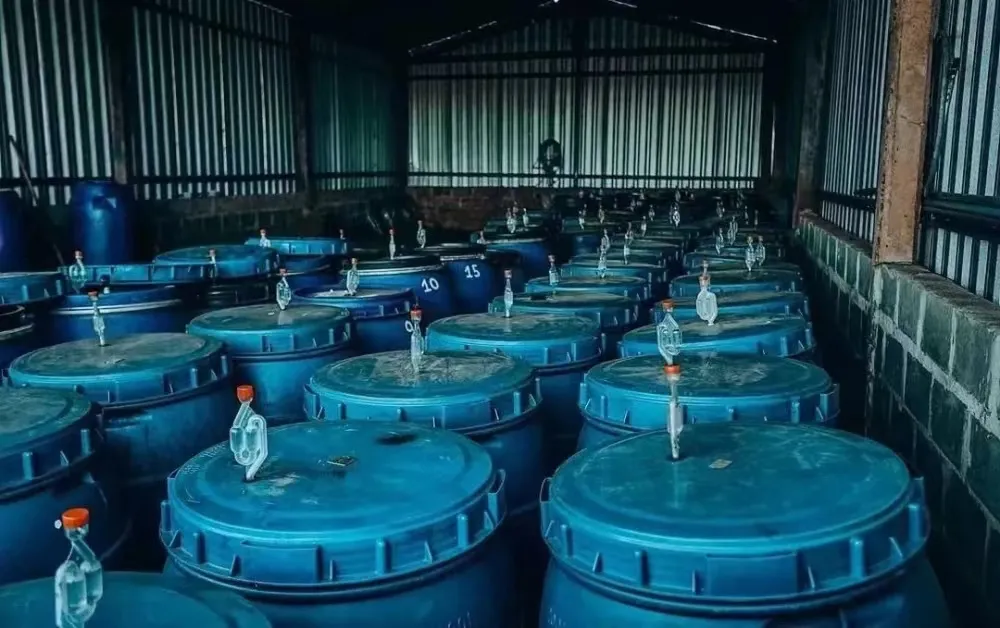
So, how exactly is anaerobic processing carried out? Simply put, the processor places freshly harvested coffee cherries into a sealed container, which could be a stainless steel tank, glass jar, or even a specially designed high-pressure fermentation vat. The key is that the oxygen inside the container is either pumped out in advance or depleted naturally after sealing to create an oxygen-deficient environment. In such an environment, the natural sugars and pectin in the fruit pulp are gradually broken down by microorganisms (such as yeast and lactic acid bacteria), releasing various metabolic byproducts including alcohols, esters, and organic acids. These compounds seep into the coffee bean tissues, thereby influencing the final aroma and taste after roasting.
Fermentation itself is actually a common biochemical phenomenon in our daily lives—for example, brewing wine, making bread, or even fermenting tofu all rely on the participation of microorganisms. In coffee processing, the essence of fermentation is to use the life activities of microorganisms to convert certain substances in the coffee cherries (usually the sugars in the pectin) into other substances (such as alcohol and carbon dioxide). This conversion not only affects the chemical composition of the coffee beans but also directly shapes their final flavor profile. For anaerobic processing, the key lies in "control"—controlling temperature, time, pressure, and most crucially, oxygen content—to ensure that the fermentation process proceeds in the desired direction.
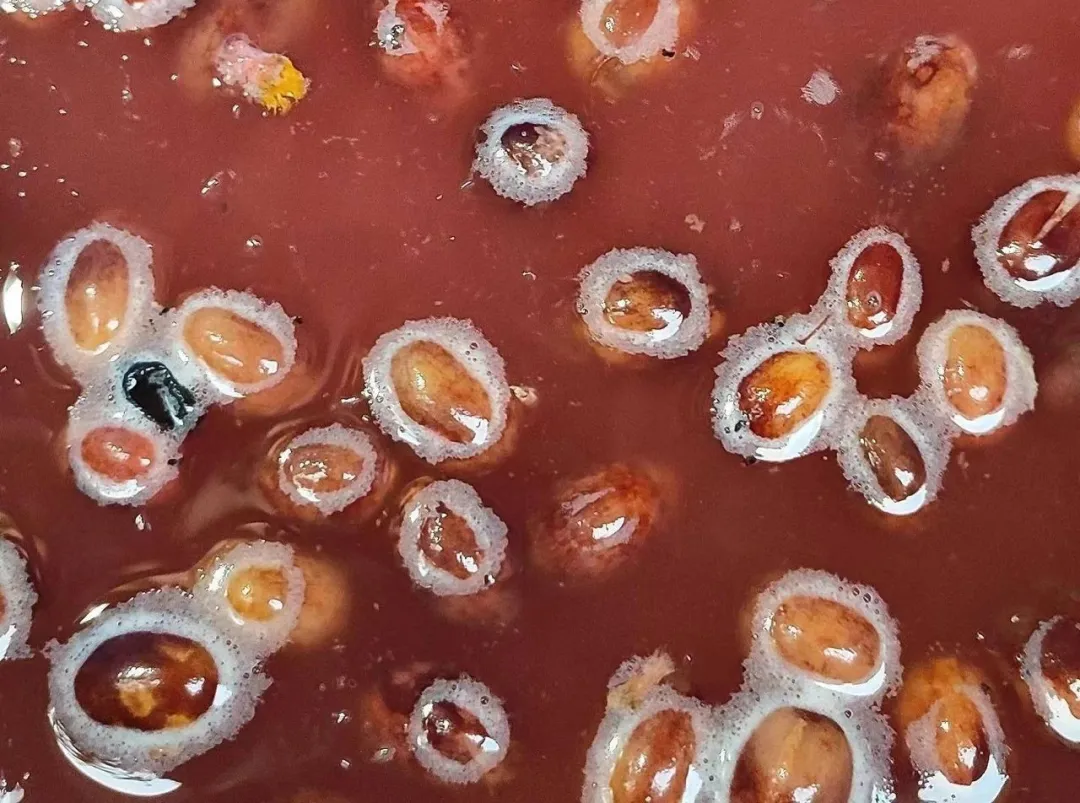
When we compare anaerobic processing with traditional washed and natural methods, its uniqueness becomes clearer. Washed processing emphasizes "cleanliness" and "clarity." By removing the pulp and pectin and then washing and fermenting multiple times with clean water, it leaves behind the purest essence of the coffee bean, usually showcasing bright acidity and a neutral base. Natural processing, on the other hand, retains the entire fruit and undergoes prolonged sun exposure, allowing the sugars in the pectin to fully penetrate the beans, often resulting in rich flavors of tropical fruits, honey, or even wine-like sweetness. Anaerobic processing, however, takes a third path between the two. Through fermentation in a sealed environment, it enhances the depth and complexity of the flavors, sometimes even delivering sensory experiences beyond imagination—such as creamy milkiness, a bubbly sensation akin to fermented drinks, or intense jam-like sweetness.
It’s worth noting that anaerobic processing is not a one-size-fits-all method. Some processing facilities further subdivide it into "anaerobic washed," "anaerobic natural," or even introduce specific strains of microbes during fermentation, or adjust temperature and pressure to create more distinctive flavor profiles. For example, some anaerobically processed coffees inject a small amount of carbon dioxide in the early stages of fermentation to slow down oxidation; others simulate specific altitudes or climate conditions to alter microbial activity, thereby influencing the direction of the flavor. These details are important tools for professional processors aiming to craft unique flavors.
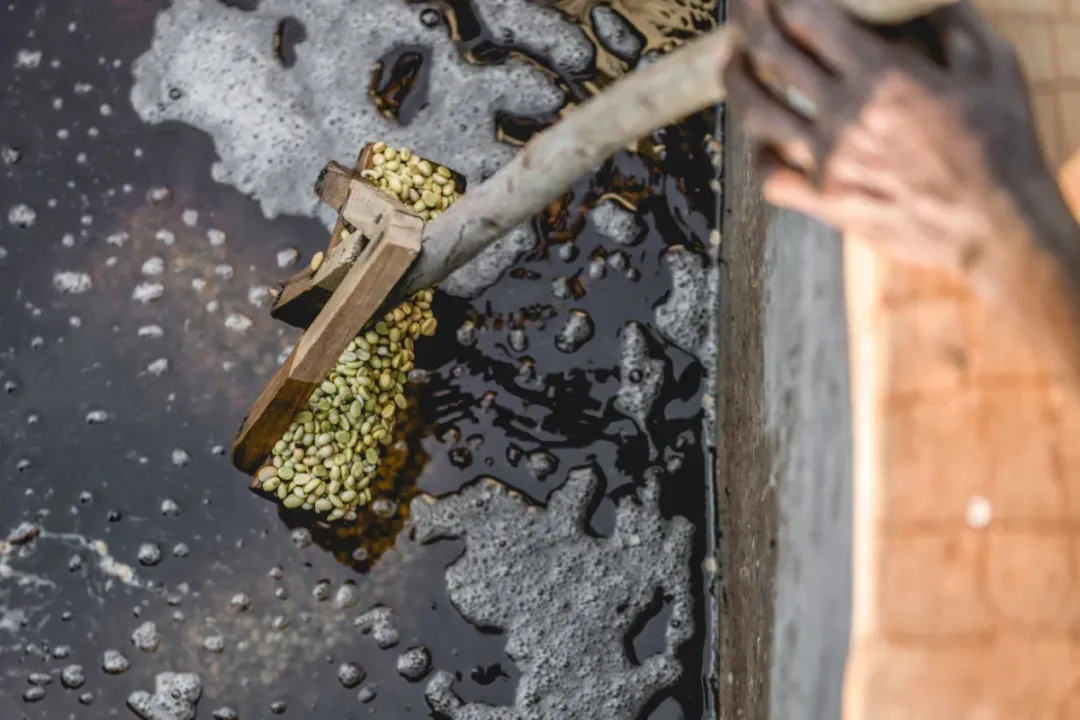
For consumers, understanding the principles of anaerobic processing not only helps us better appreciate the uniqueness of such coffees, but also gives us more direction when making selections. If you prefer clean, bright, and crisp-acidic coffee, traditional washed processing may suit your taste better; if you enjoy rich, sweet, and fruity or honey-like flavors, natural processing could be a good choice. Anaerobic processing, on the other hand, is ideal for coffee lovers who are willing to explore and embrace novel sensory experiences. It often delivers unexpected surprises and may leave a deep impression—whether good or bad—from the very first sip.
In summary, anaerobic processing is a highly potential yet relatively niche coffee processing technique. By controlling the oxygen environment, it enables coffee beans to develop richer and more complex flavor compounds during fermentation, thus challenging our preconceived notions of what coffee "should" taste like. Whether you’re a beginner or an experienced coffee taster, understanding the principles and characteristics of anaerobic processing can help you make smarter decisions when selecting beans and brewing, and allow you to enjoy a more diverse range of coffee experiences.
The above content is compiled by CoffeeHunters, a coffee news website.


