







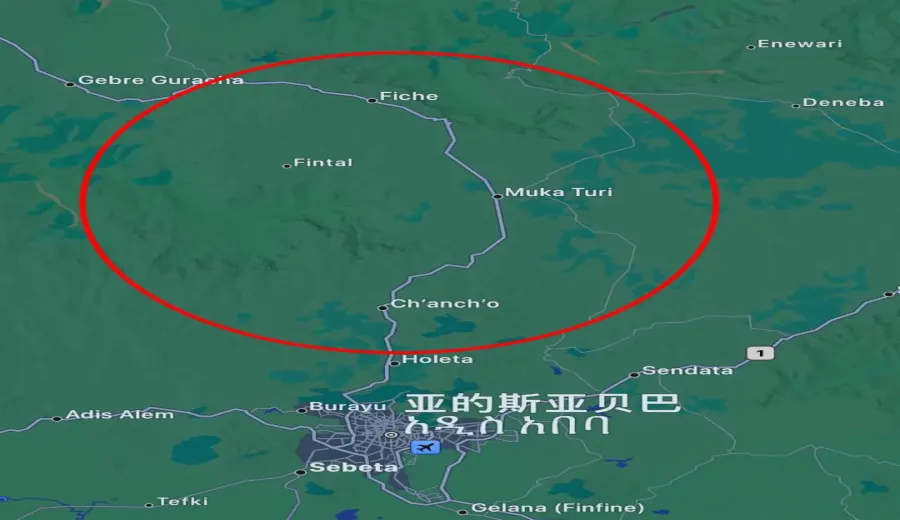
Introduction:Recently, public buses and students in Ethiopia’s Oromia Region have been frequently targeted in armed abductions, with kidnappers demanding hefty ransoms, drawing international attention. The region is not only a hotspot where the Chinese consulate continues to issue high-risk warnings, but also an important coffee-producing area that hosts the prestigious international COE (Cup of Excellence) competition. This article delves into how the kidnapping wave threatens local safety, disrupts coffee trade, and explores trends in industry relocation, providing practical information for buyers and coffee enthusiasts concerned about Ethiopian beans.
Ethiopia’s security situation is rapidly deteriorating, especially in the Oromia Region, where a series of armed abductions targeting public transport and students have occurred. Kidnappers are extorting large ransoms from victims’ families, drawing global attention. Although the U.S. Embassy in the country has publicly condemned the acts, the high-risk warning previously issued by the Chinese consulate remains in effect. Meanwhile, the country is hosting the highly anticipated COE coffee competition, attracting judges, traders, and coffee experts from around the world. However, the frequent abduction incidents not only endanger personal safety but may also force coffee businesses to turn to neighboring regions, further impacting Ethiopia’s coffee exports and overall industry development.
According to local Ethiopian media reports, the national situation remains tense, with ongoing armed conflicts across various regions. As early as May this year, government forces engaged in fierce battles with the Fano militia in the Amhara Region. Even after mobilizing up to 90,000 new recruits, they struggled to curb the escalation of violence. While past conflicts were mostly concentrated in the Amhara Region, the Oromia Region—where the capital is located—has recently become a hotspot, with public buses and students becoming targets of armed groups.
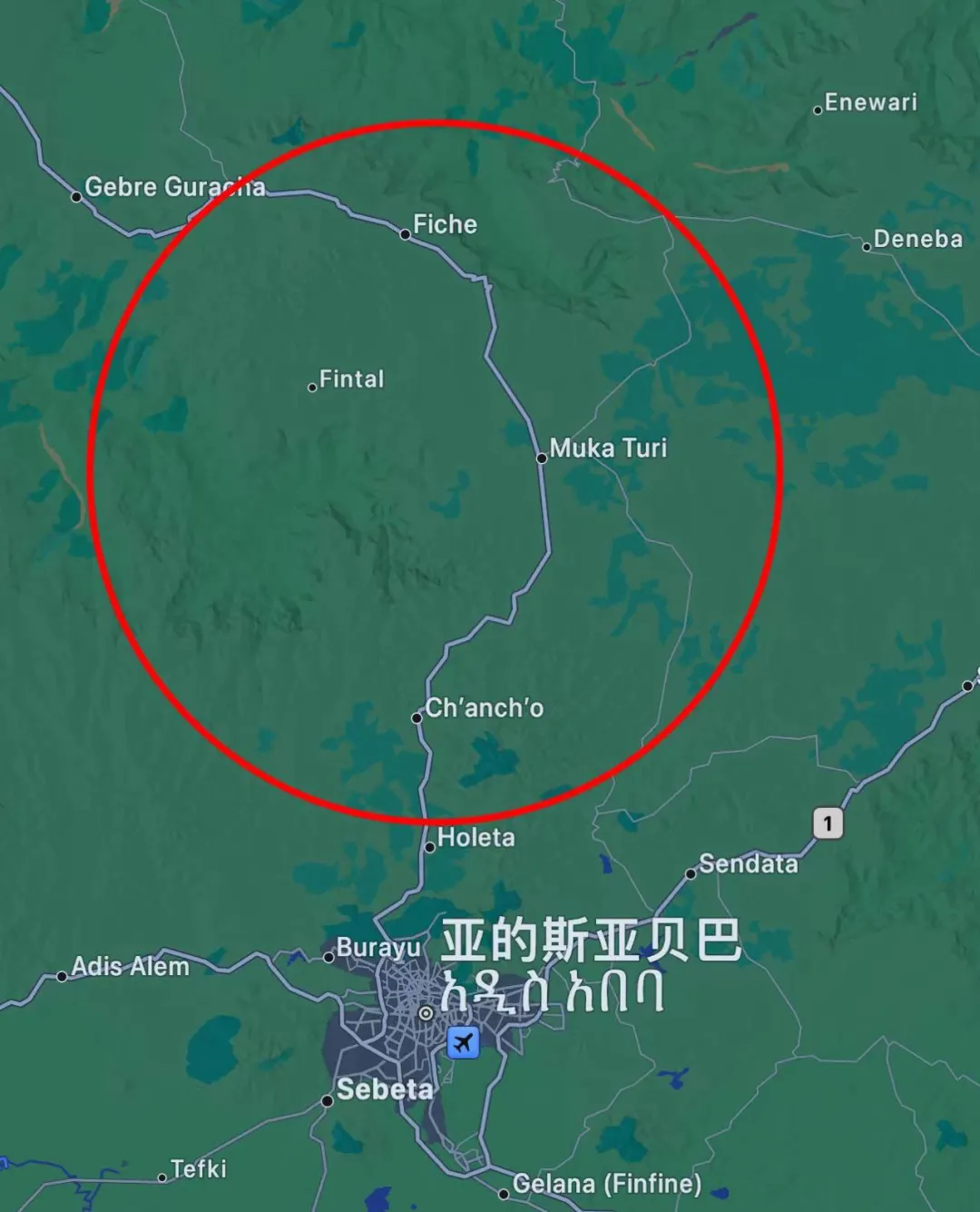
According to eyewitnesses, in the Wachale area of North Shewa Zone, an passenger bus was attacked by suspected members of the Oromo Liberation Army, resulting in three deaths. Although the driver managed to escape injured, passengers on the bus and all passengers on another minibus were taken hostage. Just days later, another abduction incident occurred on the A3 highway north of the capital Addis Ababa, where gunmen hijacked three buses and abducted over 100 students, most of whom were faculty and students from Debre Berhan University. The incident took place in Dogobe Guracha town, about 155 kilometers from the capital, near Goha Tsion town.
In response to the kidnapping crisis, the Ethiopian government has deployed defense forces, militias, and special units for rescue operations, but so far no hostages have been freed. Kidnappers are demanding high ransoms; some student families revealed amounts as high as 700,000 Ethiopian birr, while others reported being asked to pay between 500,000 and 1,000,000 birr. However, many families are simply unable to raise such sums, with some struggling even to gather 7,000 birr. Despite appealing to schools and the government for help, they received little support and are now considering pooling money to pay the ransoms.
The latest reports indicate that the Oromia Regional Communications Bureau confirmed the release of 160 students, but 7 remain unaccounted for. The regional government claims security forces were involved in the rescue, but this has been questioned by the families. Official sources have yet to disclose the hostages’ location, reasons for their continued detention, or whether any exchange of fire occurred, leaving local residents worried about possible further attacks by the kidnappers.
Although the Oromo Liberation Army is widely believed to be behind the abductions, senior members of the group recently issued a statement denying involvement and accusing Ethiopian national intelligence officers and local government officials of staging the kidnappings to discredit opposition forces. They claim that groups posing as the OLA are actually carrying out the abductions. The Ethiopian government, however, consistently links the Oromo Liberation Army to local kidnappings and violent incidents.
The incident has drawn strong international attention. The U.S. Embassy in Ethiopia condemned the kidnappings and ransom demands, calling for an end to the abduction of civilians for economic gain, and has designated certain areas of the country as Level 3 travel advisory zones, cautioning travelers to exercise caution. The Chinese Consulate General in Ethiopia also issued a notice in May this year, clearly identifying multiple areas as high-risk or even extremely high-risk, advising Chinese citizens and institutions in the country to pay attention to local security levels. This warning remains in effect to date.
Notably, Ethiopia is currently hosting the internationally renowned COE (Cup of Excellence) coffee competition, bringing together professional judges and coffee professionals from the United States, China, Japan, and other countries. However, several kidnapping cases have occurred in areas not far from the capital, posing potential risks for traders, coffee scouts, and enthusiasts planning to attend. It is advised to avoid traveling to the region for related events in the near future.
For a long time, Ethiopian coffee has been highly praised for its unique flavors and diverse growing regions, but in recent years, issues related to infrastructure, politics, and security have led to a decline in export volumes. Now, with the increasing frequency of kidnapping incidents, many international traders are turning to neighboring coffee-producing countries such as Kenya, Yemen, or other African regions, further weakening Ethiopia’s position in the international market. For consumers who wish to consistently enjoy high-quality Ethiopian beans, it is recommended to closely monitor regional developments and choose reputable suppliers to ensure bean safety and quality.
The above content is compiled by CoffeeHunters, a coffee news website.


