







Introduction:The Western Valley region in Costa Rica is one of the country’s three top-tier coffee-growing areas, where cool climates and high altitudes nurture numerous specialty coffees. This article will delve into the region’s geographical advantages, the evolution of its coffee cultivation history, as well as the planting strategies and COE competition achievements of representative farms such as Monte Llano Bonito, helping coffee enthusiasts understand the exquisite craftsmanship and flavor potential behind these beans.
As one of the earliest countries in Central America—located south of China and north of Colombia—to engage in coffee cultivation, Costa Rica is currently ranked 14th globally in coffee production. Its landscape is dotted with volcanic terrain and diverse climate types, providing ideal growing conditions for coffee trees. Among them, the Western Valley (Valle Central Occidental), as one of the country’s three premier regions, is renowned for its cool microclimate and numerous renowned farms, including Monte Llano Bonito, which has won multiple awards at the COE (Cup of Excellence) international competition. This article will start with the origins of Costa Rica’s coffee industry, gradually explore the evolution of its processing techniques, and take you through the unique terroir and representative farms of the Western Valley to uncover how this land produces world-class specialty coffee.
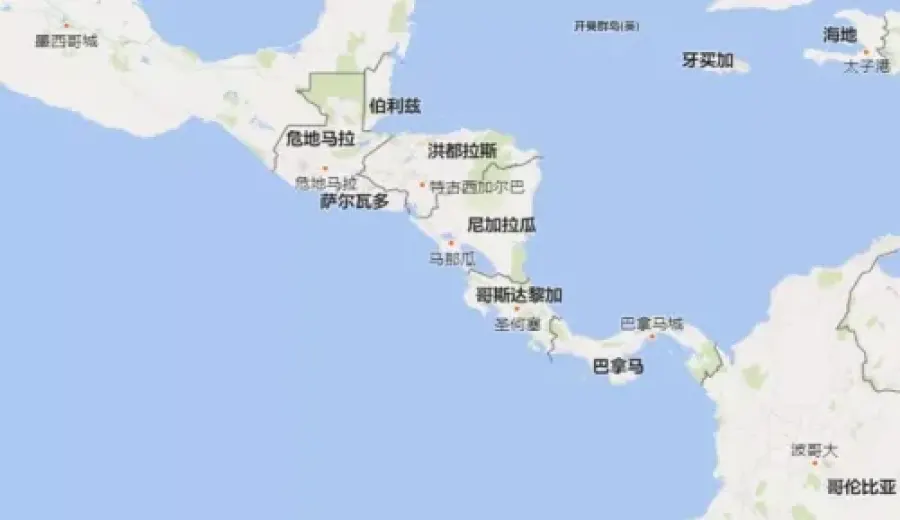
Central America encompasses a vast region stretching from south of the United States to north of Colombia, characterized by plateaus, mountains, and tropical forests. In particular, the over 1,300-kilometer-long volcanic belt along the Pacific coast has created fertile volcanic soils. The region enjoys warm and humid weather, making it highly suitable for cultivating tropical cash crops such as bananas and coffee, and establishing itself as a globally significant agricultural export zone.
Among the many Central American countries, Costa Rica, Guatemala, and Panama are all known for their coffee, but Costa Rica is the earliest in the region to introduce coffee cultivation. Despite its limited land area, the country boasts over 1,200 kilometers of coastline, numerous volcanoes, and rich biodiversity, earning it the reputation of the "Rich Coast"—a meaning that aligns with the original Spanish name "Costa Rica."
The terrain of Costa Rica is primarily mountainous and plateau-based, with the central Cordillera mountain range dividing the country into two distinct sides, resulting in vastly different climate environments on the eastern and western sides. The majority of the country experiences a tropical rainforest or tropical savanna climate, with the rainy season lasting approximately from April to December and the dry season occupying the remaining months. This seasonal cycle, combined with the microclimates created by the varied terrain, forms highly favorable natural conditions for coffee cultivation.
The history of coffee cultivation in Costa Rica dates back to the late 18th century when coffee was introduced for its commercial potential. After gaining independence from Spanish colonial rule, the government actively promoted the coffee industry by not only providing seeds to farmers for free but also introducing tax exemptions and enacting incentive policies such as “land ownership granted for coffee cultivation,” attracting a large number of residents to engage in planting and rapidly driving the booming development of coffee trade.
To ensure coffee quality, Costa Rica was among the first to introduce the washed processing method as early as 1830. Compared to traditional sun-drying methods, the washed process can effectively reduce the proportion of defective beans and enhance flavor stability and cleanliness, earning the country’s coffee high praise even at that time. However, as coffee cultivation expanded into higher altitudes where water access became challenging, producers turned to Brazil’s semi-washed technique for reference and integrated local experience, eventually developing the globally unique “honey process” technique.
Costa Rican coffee was initially exported in large quantities to the United Kingdom and was hailed as "golden beans" due to its superior quality, attracting British capital investment in local agricultural infrastructure. The Anglo-Costa Rican Bank, established in 1863, specifically funded coffee farmers in land reclamation and the construction of processing facilities. The country further legislated a complete ban on Robusta cultivation in 1989 to preserve the purity and reputation of Arabica coffee.
The country has seven major coffee-growing regions, including the Western Valley, Central Valley, Tarrazú, Tres Ríos, Orosi, Brunca, and Turrialba, all of which are located in the Central Mountain Range area. Among them, Tarrazú is the largest and most prestigious region, home to many COE-winning farms. However, other regions are no less remarkable; for example, the Western Valley, also ranked as one of the three top-tier regions, frequently stands out in international evaluations.
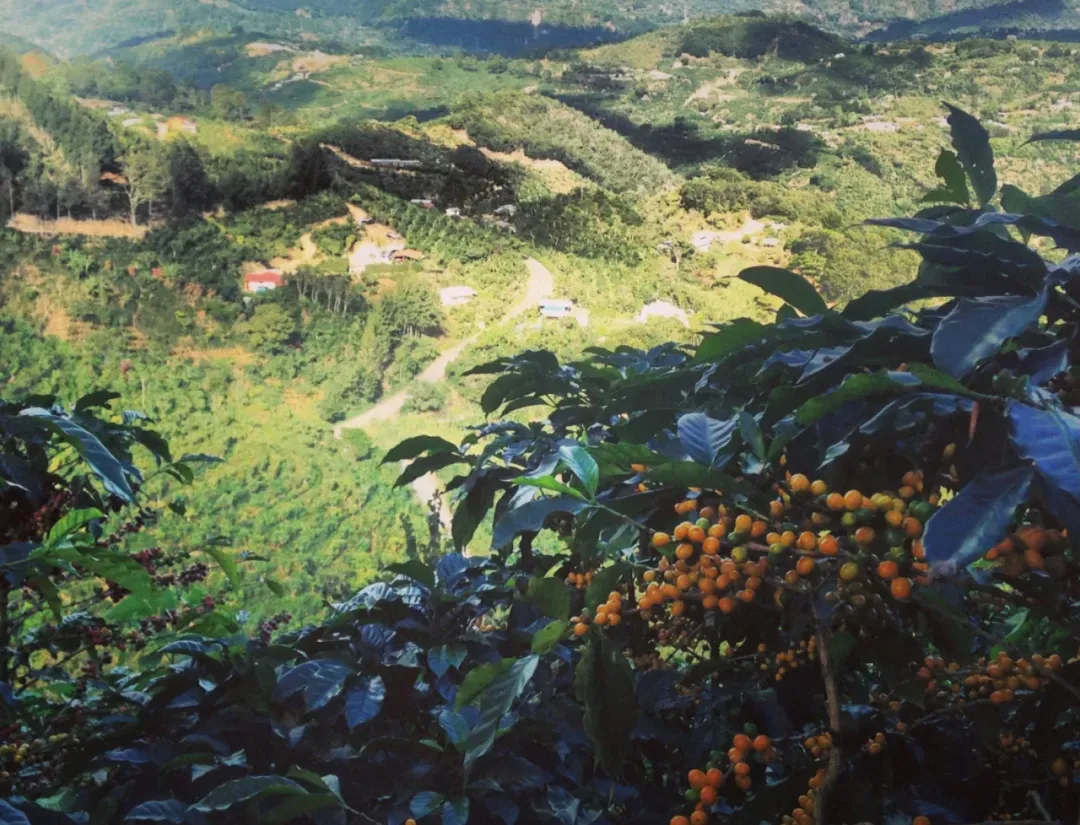
The Western Valley region is situated within the Central Mountain Range, bordered by the Poás and Barva volcanoes to the east and the San Ramón and Turrubares mountains to the west. Coffee in this region is grown at elevations between 1,000 and 1,600 meters and is regulated by Pacific airflows, with an average annual temperature of around 21.5°C, creating a relatively cool microclimate that aids in the slow ripening of coffee cherries and the accumulation of richer flavor compounds. Notable farms in this area include Finca Volcán Azul and Finca Monte Llano Bonito.
Finca Monte Llano Bonito is located on the northern edge of the volcanic range, near the city of Naranjo, and is planted at an altitude of up to 1,700 meters. This farm cultivates a diverse range of varieties, including Villalobos (Villasarchi), SL28, Geisha, Caturra, and San Roque, showcasing exceptional cultivation techniques and varietal diversity. The farm owner, Francisco Mena, also manages Finca Sumava de Lourdes and Finca Monte Llano Bonito, while setting aside large areas of land as forest reserves to provide habitats for wildlife. He also leads a professional team that strictly oversees every step from planting to post-harvest processing, dedicated to producing high-quality specialty coffee. This farm won the COE championship in 2016 and secured third place in the 2024 COE Experimental Processing category with an impressive score of 90.42.
The above content is compiled by CoffeeHunters, a coffee news website.


