







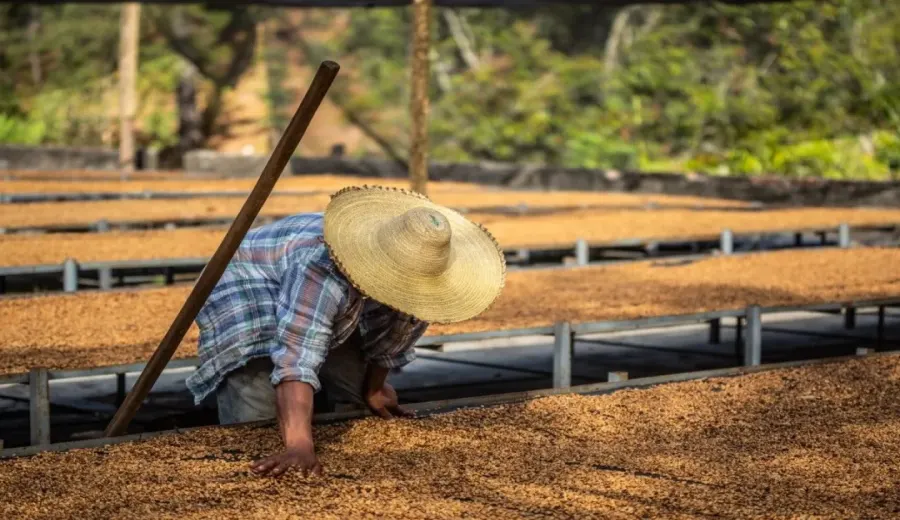
Introduction:Honduras, the largest washed Arabica coffee exporter in Central America, is facing a crisis of declining production and foreign exchange earnings in the 2023/24 season. This article delves into how extreme weather, the rampant spread of coffee leaf rust, and labor shortages have led to a 27% year-on-year drop in planting income, while also exploring the long-term impact of global price fluctuations and regional competition on the producing regions—offering key insights for coffee professionals and enthusiasts tracking developments in this important origin.
As the leading producer of washed Arabica coffee in Central America, Honduras has in recent years fallen into an industry slump. The latest data shows that hit by multiple adverse factors, the country’s coffee production for the 2023/24 season is projected to plummet by 24% to 5.5 million bags, directly dragging down foreign exchange earnings by nearly $100 million in the first four months, with full-year losses potentially reaching up to $300 million. Compared to the $1.45 billion in planting income in the 2022/23 season, the 2023/24 estimate is expected to be only $1.05–1.1 billion—a sharp drop of 27%.
The sharp decline in output can be attributed to three major challenges:Extreme climate change,a widespread outbreak of coffee leaf rust, anda severe shortage of agricultural labor. A USDA report specifically points out that the interplay of these factors has had a structural impact on Honduras’ core coffee-growing belt.
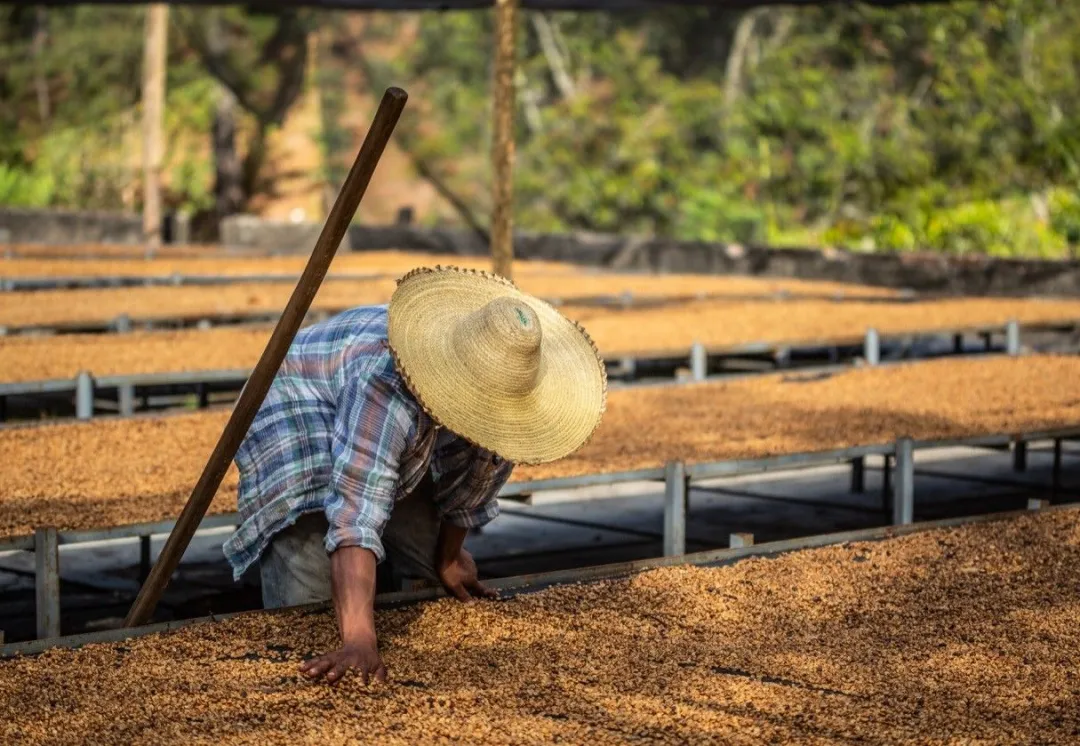
Taking climatic conditions as an example, in 2023, under the influence of a strong El Niño phenomenon, Honduras experienced its most severe drought since 1992, with summer temperatures repeatedly exceeding the limit of 38–40°C, severely disrupting the flowering and fruiting cycles of coffee trees. Even more troublesome is that when the traditional rainy season began in June, some producing areas saw abnormal torrential rains, triggering floods and landslides. Honduras’ National Risk Management Center confirmed that the disasters caused major transportation routes to be cut off, rivers to overflow and inundate plantations, making emergency rescue operations urgent.
The threat of disease is equally concerning. Monitoring data reveals that in certain high-altitude producing areas, the infection rate of coffee leaf rust has reached the alert threshold of 5.8%—a moderate infection range between 5–20%, meaning spores will spread via rain splashes and monsoons. Without timely control, the scale of infection in the new season could worsen further. Notably, coffee leaf rust damages the photosynthetic capacity of coffee leaves, resulting in poor fruit development or even fruit drop.
The international market environment has also exacerbated the difficulties. With the resumption of production in Brazil, the global average price of Arabica coffee beans has weakened, reducing the competitiveness of Honduran products. Data from the International Coffee Organization (ICO) shows that in May 2024, Central America’s overall exports fell by 12.6% year-on-year (approximately 1.66 million bags). Industry analysts suggest that part of the reason is farmers deliberately delaying sales, waiting for prices to rebound, which has led to short-term market supply tightness.
Faced with the crisis, the president of Honduras’ National Coffee Council emphasized that the top priority is to systematically review the various variables affecting producers’ income. Experts recommend addressing the issue from three angles: promoting disease-resistant varieties, improving climate disaster early warning systems, and establishing a reasonable labor subsidy mechanism. Without timely intervention, not only will the livelihoods of hundreds of thousands of coffee farmers be affected, but the country’s foreign exchange revenue structure, which it relies on for survival, may also be shaken.
The above content is compiled by CoffeeHunters, a coffee news website.


