







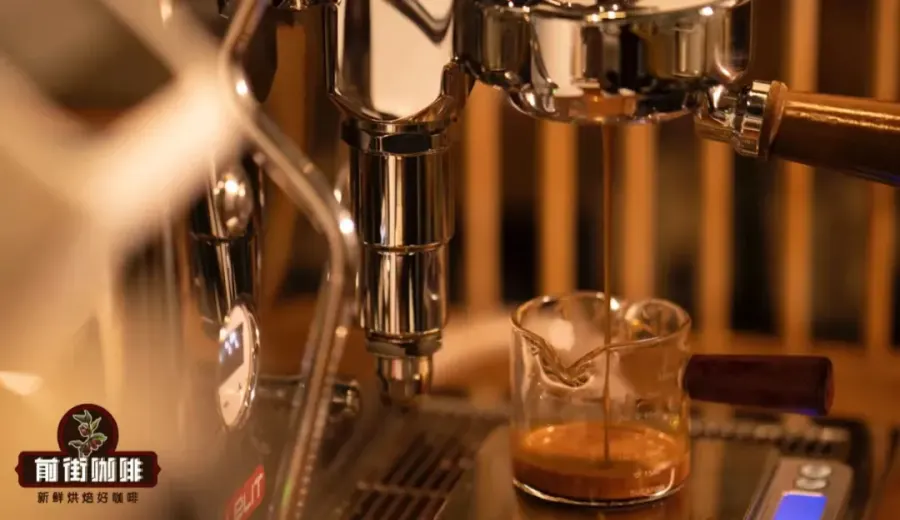
Introduction:When making espresso with an espresso machine, insufficient pressure is a common issue faced by many coffee enthusiasts. Even though the machine is labeled as capable of 9 bars, the actual extraction pressure often falls between 5 to 7 bars, resulting in coffee with a weak flavor and overly prominent acidity. This article delves into the relationship between pressure and puck resistance, offering three practical adjustment directions: grinding finer, increasing coffee dose, and applying more tamping pressure. It also provides specific grind recommendations for different roast levels such as dark-to-medium roast blends and medium roast SOEs, helping you precisely control extraction parameters and improve your espresso quality.
One of the most frequently encountered technical bottlenecks when using home or commercial espresso machines is the inability to achieve the ideal extraction pressure. Many users find that even though their machines claim to reach 9 bars, the actual operating pressure only stays between 5 to 7 bars, leading to espresso with a noticeable wateriness, sharp acidity, and lack of flavor. The root cause of this issue is closely related to the resistance created by the coffee puck.
To understand the root of the problem, we first need to revisit the basic principles of pressure. During the operation of an espresso machine, the so-called pressure refers to the vertical squeezing force exerted by the water flow on the surface of the coffee puck. The magnitude of this force directly depends on the resistance the puck offers to the water. When the puck is compact and the coffee particles are fine, it becomes harder for hot water to penetrate, requiring the machine to output higher pressure to complete the extraction. Conversely, if the puck is too loose or the grind is too coarse, the water flows through with almost no obstruction, and the pressure cannot rise effectively.
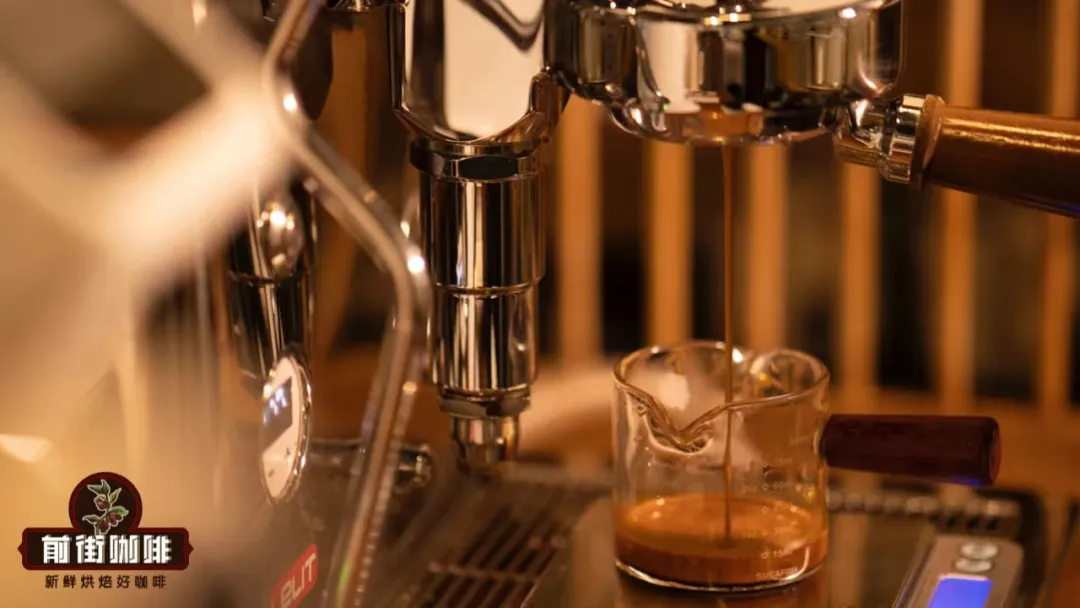
The direct consequence of insufficient pressure is a significant drop in extraction efficiency. Within the short extraction time, the hot water fails to fully extract the flavor compounds from the coffee grounds, resulting in a cup of coffee that is thin in taste with acidity taking the lead. Therefore, to improve extraction pressure, the primary task is to enhance the resistance of the coffee puck, which can be approached in three practical ways: adjusting grind size, increasing the amount of coffee used, and ensuring sufficient tamping pressure.
First, grind size is the most critical factor affecting puck resistance. Many people, when setting their grind, often overlook how different roast levels actually require different particle sizes. For dark-to-medium roast blends—such as classic recipes with flavors of butter and dark chocolate, or commercial blends showcasing caramel and roasted nuts—due to their significant heat expansion and good water absorption, a slightly coarser grind is suitable. This helps avoid over-extraction blockage while maintaining a stable flow rate. However, for medium roast single-origin beans—like Huakui SOE or Natural Red Cherry SOE, which are harder in texture and have shorter roast times—it’s necessary to grind finer to ensure sufficient contact time between the hot water and coffee grounds, allowing the full release of flavors.
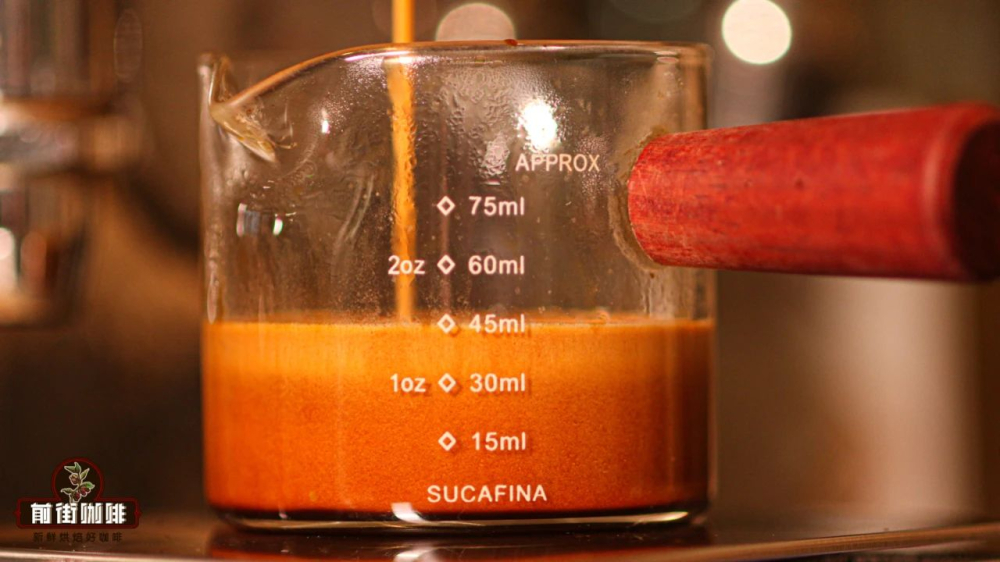
If you notice that the water flows too quickly during extraction, with the espresso pouring out much faster than expected, it’s usually a sign that the grind is too coarse. In this case, it’s recommended to gradually adjust the grind to a finer setting and observe the changes in extraction time until you achieve the ideal flow rate and pressure performance. When making adjustments, it’s advised to make small tweaks each time and record each set of parameters to help find the best combination for your beans and machine.
Besides grind size, the amount of coffee used also affects the thickness and resistance of the puck. Some users intentionally reduce the coffee dose to lower caffeine intake, but this often leads to a puck that is too thin, allowing water to pass through too easily without generating enough pressure. Each portafilter basket has a recommended dose range, carefully designed based on the basket’s structure and the distance to the group head. When the actual dose used is significantly lower than the recommended value, the coffee layer fails to fill the basket properly, reducing the resistance the water encounters and thus lowering the pressure. Therefore, it’s advisable to use the recommended dose range according to your basket’s specifications. If your current basket doesn’t allow for this, consider switching to a more compatible basket for better results.
Finally, the tamping step must never be overlooked. Tamping aims to compress the coffee grounds tightly to form a uniform and solid puck, creating enough resistance so that the water needs greater pressure to pass through. If the tamping pressure is insufficient, the puck will be loose, leaving many channels for water to flow quickly, resulting in inadequate pressure and incomplete extraction. The correct tamping action should involve evenly and firmly compressing the coffee layer to ensure consistent density throughout, thereby creating a favorable pressurized environment for the espresso machine.
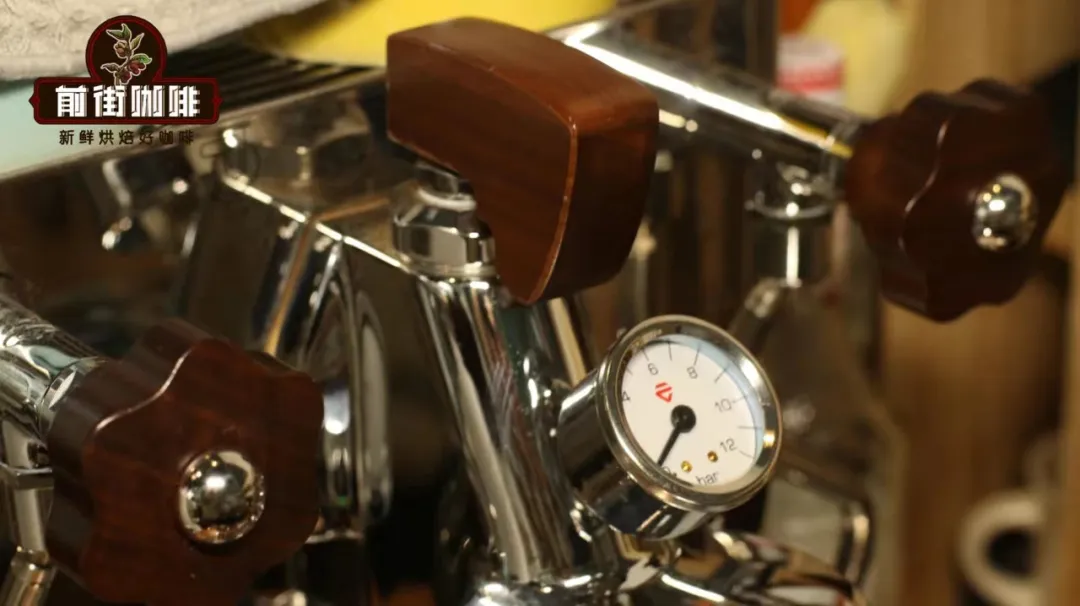
Additionally, the design of the portafilter basket—including the number and size of its holes—can also impact water flow speed and pressure performance. Although these details may be harder for average users to adjust, focusing on the three key elements—grind size, coffee dose, and tamping pressure—can significantly improve issues related to insufficient extraction pressure. This will bring your espresso back into the ideal extraction range, resulting in a richer and more balanced flavor profile.
The above content is compiled by CoffeeHunters, a coffee news website.


