








Introduction:Have you ever wondered if black coffee is the same as Americano? In fact, any coffee brewed with just water and no milk or sugar is considered black coffee. This article delves into the full definition of black coffee, analyzing the similarities and differences among common brewing methods such as pour over, siphon, cold brew, moka pot, and Americano. It also compares the key distinctions in pressure extraction between the moka pot and espresso machines, and finally offers suggestions for beginner-friendly beans.
In recent years, it’s common to see people online holding a dark-colored coffee and calling it “black coffee.” However, many beginners often wonder: is black coffee the same as Americano? In truth, the two cannot be equated directly. The definition of black coffee is actually broader—any coffee that contains only coffee grounds and water, with no added milk, syrups, or other flavorings, falls under the category of black coffee.
For example, espresso made using an espresso machine, which consists solely of coffee grounds and water, naturally qualifies as black coffee. Similarly, Americano, made by diluting espresso with hot water, also meets this criterion. However, black coffee is not limited to Americano—brewing methods like pour over, siphon, cold brew, and even coffee made with a moka pot, as long as no additional flavorings are added, are all members of the black coffee family.

First, let’s clarify what black coffee is. Black coffee refers to a beverage made by extracting coffee grounds with water alone, without adding milk, sugar, flavored syrups, or any other flavorings. Therefore, coffee drinks like lattes or mochas, which contain milk or sugar, do not qualify as black coffee. Espresso, and the Americano derived from it, consist only of coffee and water, and can thus be considered part of black coffee.
Americano is made by diluting espresso with hot water. Although its flavor is lighter, it does not alter the inherent extraction characteristics of the coffee, so it still counts as black coffee. However, the definition of black coffee is not limited to espresso-based systems. Other manual drip methods, as long as they use only water to extract coffee grounds, also meet the criteria for black coffee.
Pour over is one of the most well-known drip brewing methods. It involves slowly pouring hot water through a bed of coffee grounds, using gravity to extract flavors—a brewing technique that fully highlights the intrinsic characteristics of the coffee. Since the rise of specialty coffee, pour over has become one of the top choices for coffee enthusiasts worldwide due to its ability to clearly showcase regional flavors and processing method traits.
The appeal of pour over lies not only in its flavor profile but also in the diversity and challenge of the brewing process. Different grind sizes, water temperatures, pouring speeds, and techniques can significantly impact the final taste. For beginners, it’s recommended to start with beans that have pronounced floral and fruity notes, such as Fruit Dingding · Yirgacheffe, known for its prominent jasmine aroma; or Xilado · Xilado, which offers nutty and creamy flavors. These can help develop a sensitivity to different flavor profiles.Image location:
Within the black coffee family, the siphon pot is also a notable member. This retro-style glass device uses the pressure difference created by heating to draw water up through the coffee grounds, then allows the coffee to flow back down as it cools. The process is both visually engaging and stable. Although pour over is more popular nowadays, the siphon pot can still produce rich and layered coffee.
Siphon coffee is also made with just hot water and no added flavorings, so it too is classified as black coffee. It’s particularly good at highlighting the roundness and body of coffee, making it a great match for beans with prominent berry-like notes, such as Little Tomato · Kenya, or those offering a balanced acidity, sweetness, and bitterness like Blue Mountain No. 1.Image location:
Cold brew coffee is another popular form of black coffee, including common techniques like cold steeping and ice drip. These brewing methods use cold or below-room-temperature water to slowly extract coffee flavors over a longer period (usually more than 12 hours). Though slow, this reduces over-extraction defects and preserves the original freshness of the coffee.
Due to the gentle nature of cold brew, it’s recommended to choose beans with bright acidity and refreshing flavors, such as Huakui, Huahudie, or Blackberry—these can showcase unique layers and aftertastes during the cold brew process.Image location: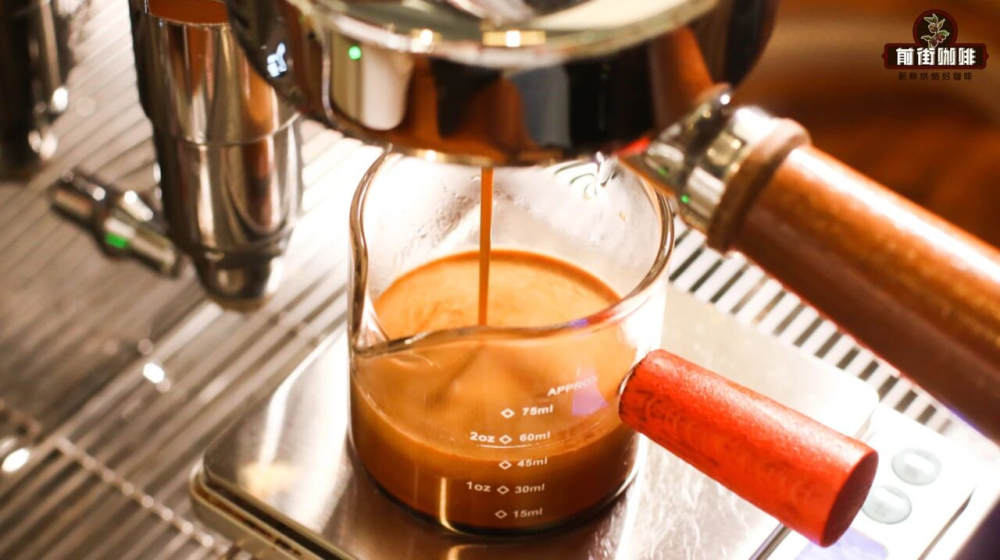
The moka pot is a common stovetop espresso-style brewing tool found in many homes. Originating from Italy, it uses steam pressure generated by heating (about 1–2 bar) to quickly extract coffee. Although the pressure is lower than that of commercial espresso machines (typically 9 bar), it’s sufficient to produce a strong coffee in a short time, with a flavor profile close to that of espresso.
Pure moka pot coffee, without added water, is made solely by pressurized extraction of coffee grounds and water, and thus also qualifies as black coffee. When selecting beans, medium to dark roasted blends are recommended to better showcase its bold character. If you want to try making latte art at home, consider classic blends with Robusta for enhanced crema; those who prefer nutty and chocolatey flavors might opt for specialty blends or dark cocoa-based blends, which offer a balanced bitterness and sweetness, suitable for various espresso-based drinks.Image location:
In summary, any coffee made solely from coffee grounds and water, without any added flavorings, is black coffee. Whether brewed via pour over, siphon, cold brew, moka pot, or espresso machine—as long as it meets this definition—it falls within the broad category of black coffee. Understanding these basic differences can help you choose a coffee experience that better suits your taste preferences and brewing method.
The above content is compiled by CoffeeHunters, a coffee news website.


