







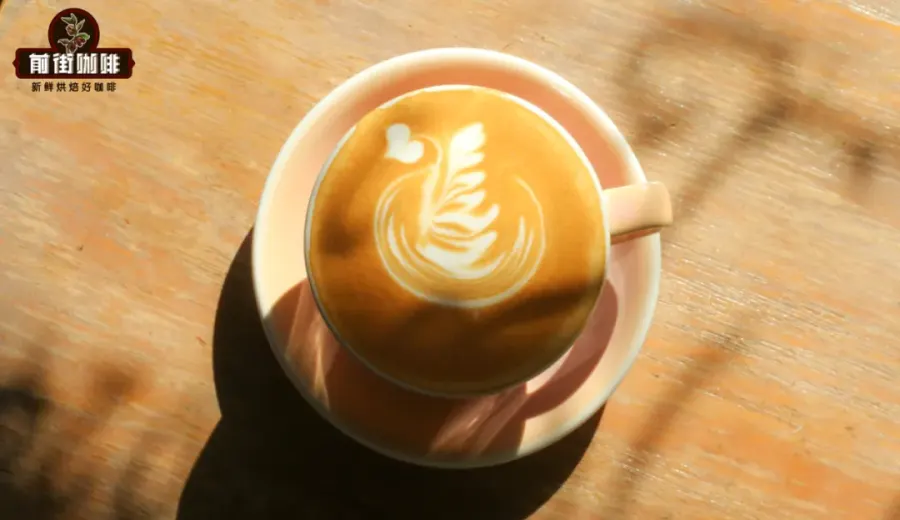
Introduction:Latte coffee has long held the top spot on global café order charts, captivating with its perfect balance of richness and velvety smoothness. This article delves into the unique flavor profile of lattes, explores the core reasons behind their enduring global popularity, and traces the origins of latte art. By analyzing the evolution and crafting details of this classic beverage, it helps readers better appreciate the craftsmanship and cultural significance behind each cup of latte.
Even in today’s era dominated by the specialty coffee movement, lattes continue to dominate sales charts in cafés across the world. This beverage, which combines the intense flavors of espresso with the silky texture of steamed milk, has won over countless coffee lovers with its simple yet ingenious ratio. What exactly are the qualities that set lattes apart from other milk-based coffees? How has its definition evolved over time? And where did the now-viral latte art technique originate? This article will guide you through the historical background, core flavor characteristics, and market success factors of lattes, while also revisiting the classic story of the birth of latte art—so you can better savor the nuances behind each cup.
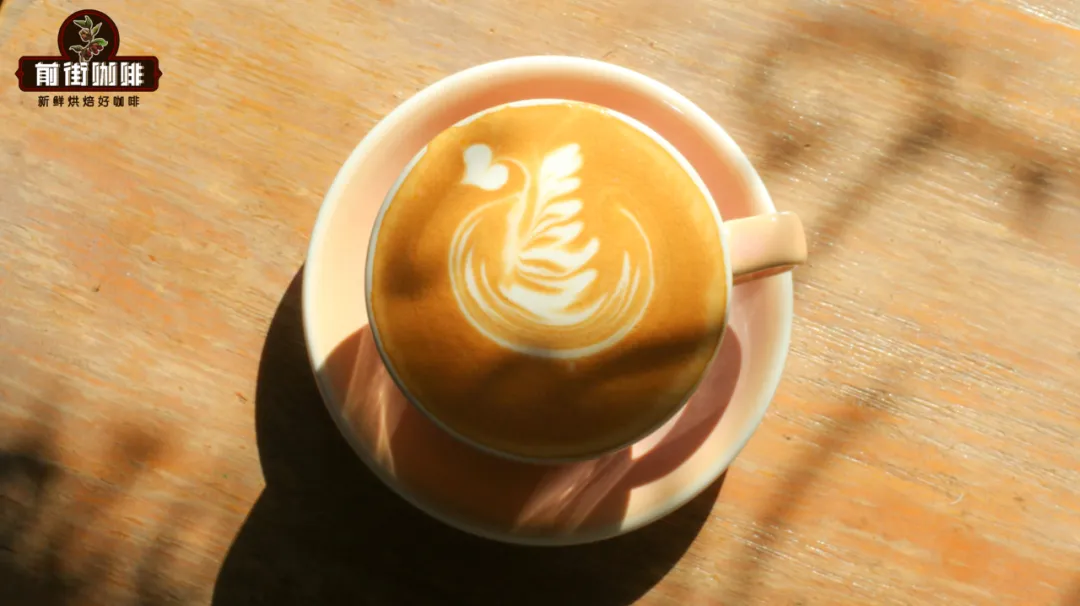
Throughout the diverse evolution of coffee beverages, lattes have consistently claimed the top sales position in cafés worldwide. Many consumers can’t help but wonder: with so many milk coffee options available, why has the latte managed to maintain such widespread appeal over the long term? What unique advantages does this beverage possess to stay ahead in such a competitive market? In the following, we’ll take an in-depth look at the reasons behind the latte’s broad popularity.
The so-called caffè latte is essentially a classic coffee beverage made with an espresso base, combined with a generous amount of steamed milk and fine microfoam. The practice of mixing milk with coffee dates back to 17th-century Europe; however, the latte as a distinctively named and standardized coffee drink only gradually took shape by the late 1960s—when the espresso machine had already undergone significant development, laying the technical foundation for defining this beverage.
The above content is compiled by CoffeeHunters, a coffee news website.


