







Introduction:Brazil’s new coffee harvest season is progressing ahead of previous years in terms of picking, but sales performance has not kept pace. Port congestion and fluctuating tax policies have become key obstacles. With the parliament rejecting an unfavorable tax reform, the market expects a gradual recovery. This article analyzes the latest production and sales trends in Brazil’s coffee industry and explores the practical impact of the policy shift on the global supply chain and pour over enthusiasts.
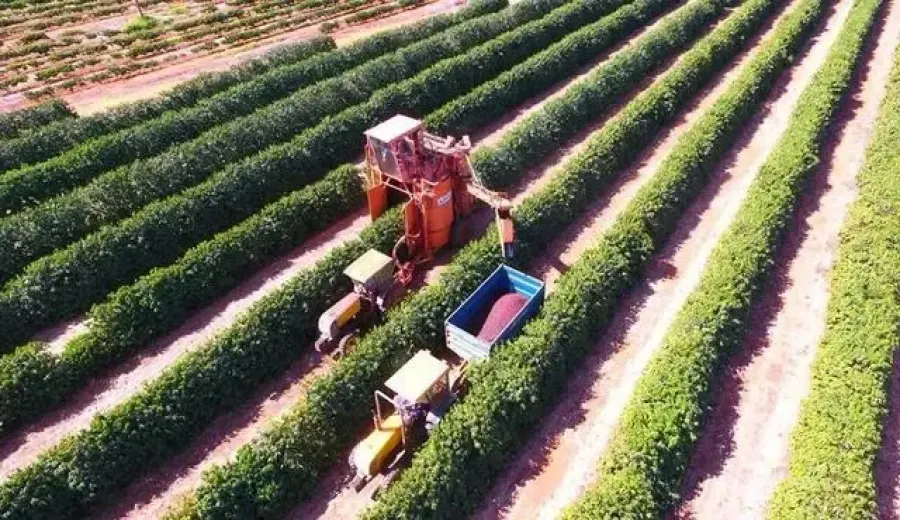
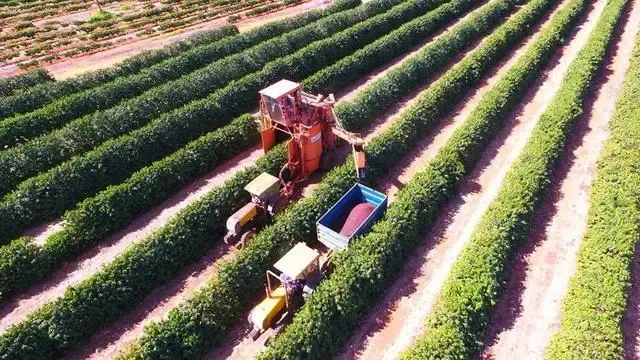
The pace of the new coffee harvest season in Brazil has clearly accelerated. According to tracking data from agricultural analysis agencies, 37% of the estimated annual production has been harvested so far this season, higher than last year’s 33% and also surpassing the five-year average of 34%. This acceleration in harvesting is particularly reflected in favorable climatic conditions — the producing regions have recently experienced continued dryness, with almost no significant rainfall in the past two weeks, helping to speed up the coffee cherry picking process.
Breaking it down by variety, Arabica beans account for 30% of the harvest, better than last year’s 25% and the five-year average of 25%; Robusta beans are even further ahead, with 51% harvested, also higher than last year’s 49%. Agricultural experts point out that while dry weather helps improve harvesting efficiency, excessive drought may also affect the subsequent health of the plants and the flavor development of the beans, which is one of the concerns for industry players.
However, in contrast to the rapid harvesting, sales progress has been sluggish. Only 22% of the new season’s coffee has been sold so far, lower than last year’s 26% and the five-year average of 32%. Alongside the slowdown in sales, port transportation bottlenecks continue to worsen. According to statistics from the Brazilian Coffee Exporters Association, more than half of the export ships in May were delayed and unable to depart on time. The delay rate at the main export port of Santos reached as high as 80% in early 2024, and although it dropped slightly to 78% in May, it remains at a high level.
As the main gateway for Brazil’s coffee exports, the Port of Santos has long suffered from insufficient investment in container transport infrastructure, unable to keep up with the growth in trade volume. This has led to frequent issues such as tight warehousing space and vessel congestion. This logistical bottleneck further slows down the pace of coffee exports, affecting the cash flow of farmers and exporters.
Another major factor behind the sales slowdown is the Brazilian government’s previously proposed adjustment to the PIS/Cofins tax rules. This tax change is expected to increase the cash flow pressure on coffee exporting companies, raise operating costs, and weaken their competitiveness in the international market. According to exporter feedback, some growers have paused selling their stockpiles due to concerns about increased tax burdens, waiting for the policy to become clearer.
Adding to the challenges, the US dollar has appreciated more than 10% against the Brazilian real since the beginning of this year, recently even breaching the 1:5.40 threshold. Exchange rate volatility has intensified inflationary pressures, further impacting farmers’ income and export pricing strategies.
The good news is that the Brazilian Congress recently rejected this controversial tax measure, ensuring that agricultural products such as coffee can continue to enjoy the original tax preferential treatment. The industry expects that with the removal of tax uncertainty, the sales slowdown will gradually improve, and the export process is also likely to return to normal.
For pour over coffee enthusiasts, Brazilian beans are widely praised for their balanced acidity and sweetness, along with prominent nutty and chocolatey profiles. Commonly seen specialty Brazilian beans on the market, such as those from the Cerrado region, are suitable for medium to light roast pour over, showcasing bright citrus and caramel flavors; while beans from classic regions like Fazenda Rainha are known for their rich body and low acidity, making them a preferred base for many baristas’ blends. With the tax policy now settled, the supply stability and price trends of Brazilian coffee are expected to become clearer, offering global consumers a more predictable brewing experience.
The above content is compiled by CoffeeHunters, a coffee news website.


