







Introduction:As a globally significant coffee-producing country, Ethiopia has faced severe export challenges in recent years due to escalating tensions in the Red Sea and regional diplomatic frictions. This article delves into issues such as transportation bottlenecks at the Port of Djibouti and obstacles to using ports in Somaliland, while presenting concrete data on the notable decline in both coffee export volumes and revenues. It also explores potential alternatives and future prospects.
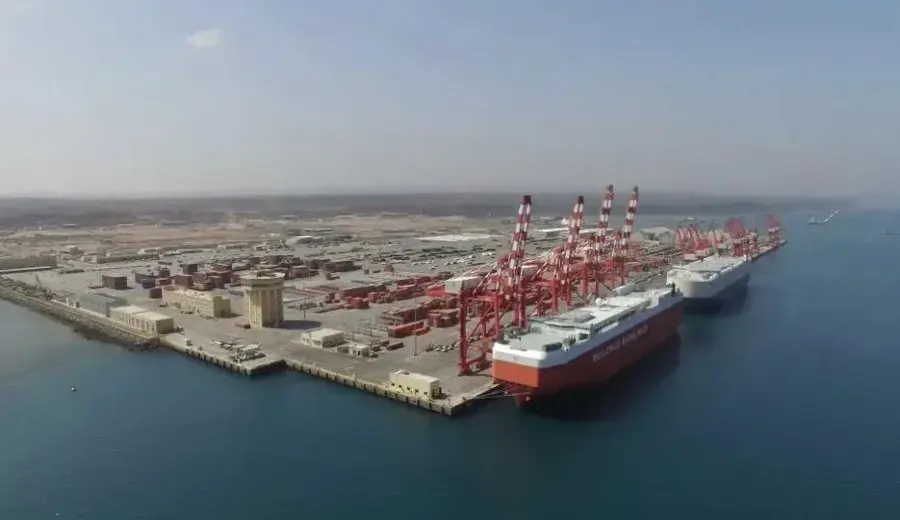
As a landlocked country, Ethiopia has long relied on the Port of Djibouti in neighboring Djibouti as its primary channel for coffee exports. However, with the continuous escalation of tensions in the Red Sea, this crucial trade route is experiencing unprecedented disruptions. The diversion of major global shipping lines around the Cape of Good Hope has led to a sharp decline in vessel calls at the Port of Djibouti, leaving large quantities of coffee beans stranded at the port and unable to be exported promptly.
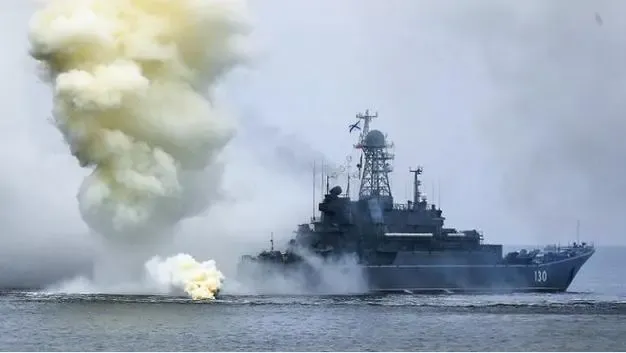
Tensions in the Red Sea region have intensified further in recent times. Reports indicate that the Houthi militants issued a statement in early May threatening to expand their attacks to areas including the Red Sea, Arabian Sea, Indian Ocean, and even the Mediterranean Sea—targeting all ships engaged in trade with Israel, regardless of their flag or destination. This move has further heightened shipping risks, prompting several international shipping companies to consider suspending or rerouting their services in the region, compounding the challenges for Ethiopia’s coffee exports.
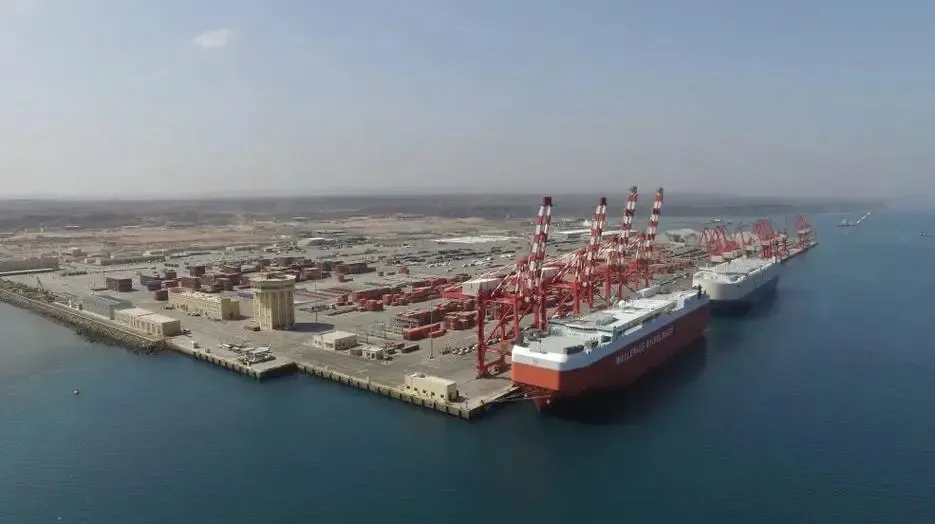
With the ongoing decrease in available transport vessels, a significant amount of coffee beans has accumulated at the Port of Djibouti and cannot be shipped out in a timely manner. To address this dilemma, the Ethiopian government has begun seeking alternative solutions, one of which is collaborating with the regional government of Somaliland in northern Somalia to utilize the Port of Berbera within its territory. However, this move has drawn strong opposition from the Somali federal government, which views the agreement as an infringement on its sovereignty, leading to strained diplomatic relations and preventing the implementation of the Port of Berbera option so far.
Moreover, due to the deteriorating relationship with Somalia, Ethiopia is also unable to use other Somali ports, further complicating the overall coffee export situation. Although the Turkish Foreign Ministry recently stated that it has hosted diplomats from Ethiopia and Somalia and held constructive consultations on their differences, with the three parties signing a joint statement and planning further talks in Ankara on September 2, the situation remains largely unchanged for now.
Aside from Somaliland, Ethiopia has also considered ports in other neighboring countries, such as Eritrea and Sudan. However, these ports are also located in the Red Sea region and remain affected by the ongoing tensions there. Another possible option is Kenya’s Port of Mombasa, but its southern location means that reaching it from Ethiopia requires traversing the entire Kenyan territory—not only making it geographically distant but also significantly increasing transportation time and costs.
According to data published by the Ethiopian Coffee and Tea Authority, in the 10-month period leading up to May of this year, Ethiopia’s total coffee exports amounted to 209,000 metric tons, generating over US$1 billion in foreign exchange. However, compared to the same period last year—when exports totaled 290,000 metric tons and earned US$1.7 billion—both of these key indicators have seen a significant decline, reflecting the impact of export difficulties on the overall industry.
In addition, Ethiopia’s domestic situation is also not conducive to the stable development of its coffee trade. The capital, Addis Ababa, along with other regions, has seen frequent reports of kidnappings and conflicts, causing many international coffee traders and cuppers to reduce or even temporarily suspend their visits to the country, turning their attention instead to other African coffee-producing nations such as Kenya, Tanzania, and Rwanda. This shift not only affects Ethiopia’s short-term export performance but may also have a negative impact on its long-term position in the international market.
Overall, the Red Sea crisis and regional diplomatic disputes pose multiple challenges to Ethiopia’s coffee exports, but they have also prompted the country to seek diversified trade routes and cooperative models. Whether these issues can be effectively resolved in the future will be key to determining whether Ethiopia’s coffee industry can maintain its international competitiveness.
The above content is compiled by CoffeeHunters, a coffee news website.


