







Introduction:A 26-year-old job seeker was rejected for a barista position at Luckin Coffee due to their age, sparking discussions about hiring practices in the ready-to-drink beverage industry. From Luckin and Cotti Coffee to tea beverage brands, the age range of 18 to 35 has almost become an unspoken recruitment standard. Is this due to the nature of the work, or influenced by market supply and demand? This article delves into the reasons and current state behind the age barriers in the ready-to-drink beverage sector.
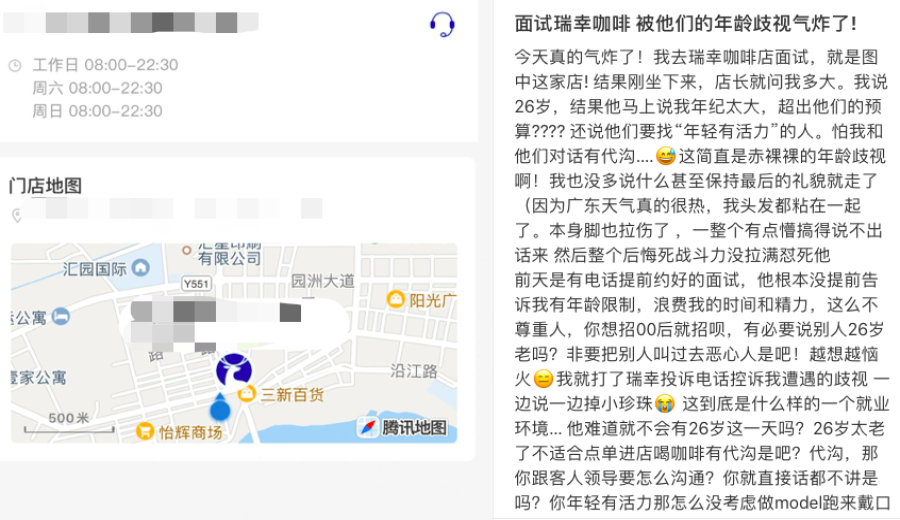
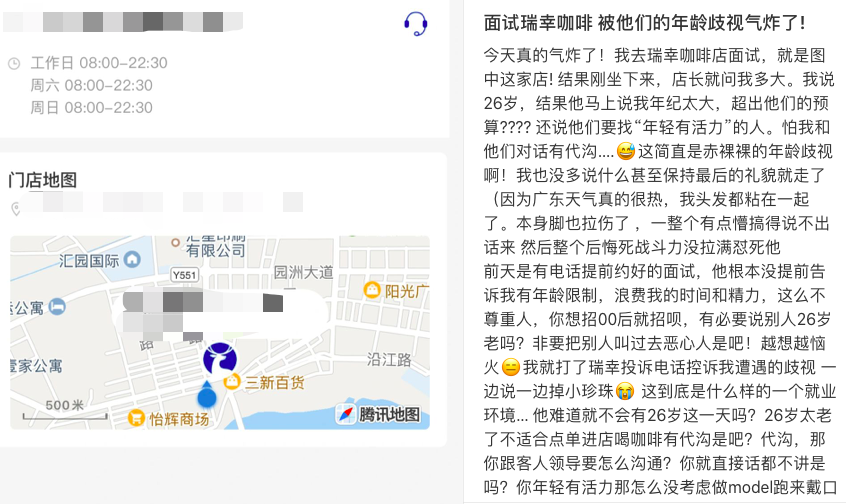
Recently, a 26-year-old job applicant was politely turned down for a barista role at Luckin after being informed that their age exceeded the store’s expectations. It was understood that the store manager expressed a preference for hiring younger and more energetic employees, citing concerns about communication barriers with older individuals. The incident triggered widespread online discussion and brought the industry’s commonly imposed age limits to the forefront.
Following the incident, Luckin responded swiftly by apologizing to the individual, pledging to provide training for the involved store manager, adjusting store management practices, and offering two free coffee vouchers as compensation. However, this individual case is just the tip of the iceberg, reflecting broader hiring tendencies across the industry.
According to multiple sources, well-known coffee brands including Luckin, Cotti, Manner, as well as tea beverage brands such as Heytea and Chagee, often set age limits for recruiting store staff or baristas between 18 and 35. Some stores even narrow the upper limit to 30. During the actual application process, many job seekers have also reported being directly disqualified from interviews or offers simply for being over 25.
Industry insiders point out that daily tasks in ready-to-drink beverage outlets—including long periods of standing and intense drink preparation during peak hours—place high demands on physical stamina and endurance. As a result, younger employees are generally favored for their physical fitness and adaptability. Additionally, younger individuals tend to learn new systems and recipes more quickly, can rapidly familiarize themselves with bar operations, and are more likely to resonate with the brand’s image among younger consumer demographics.
On job recruitment platforms, many positions related to ready-to-drink beverages may not explicitly state age restrictions, but age often remains an important consideration during the actual screening or interview process. Some applicants have revealed that interviewers have bluntly stated “we don’t hire anyone over twenty-five,” indicating that this unwritten rule is still quite prevalent in the industry.
On the other hand, with the arrival of graduation season each year, a large number of young people entering the workforce join the job market, including many hoping to work in service industries or pursue less demanding jobs. Luckin, with its extensive store network, offers a significant number of job vacancies, giving it greater leverage in the labor market. This allows the company to set stricter recruitment criteria and select candidates who better meet its expectations.
For corporate management, when faced with a large pool of applicants, they often tend to choose entry-level individuals who offer a better “cost-performance ratio.” In contrast, job seekers over 26 who already possess some work experience may have salary expectations or career plans that do not fully align with company needs, thus becoming a disadvantaged group in the recruitment process.
Overall, the age barrier in the ready-to-drink beverage industry is not unique to a single brand but is a common phenomenon across the sector, shaped by multiple factors including the nature of the work, market supply and demand, and workforce structure. For job seekers, understanding these potential limitations can help better plan their career paths and employment strategies.
The above content is compiled by CoffeeHunters, a coffee news website.


