







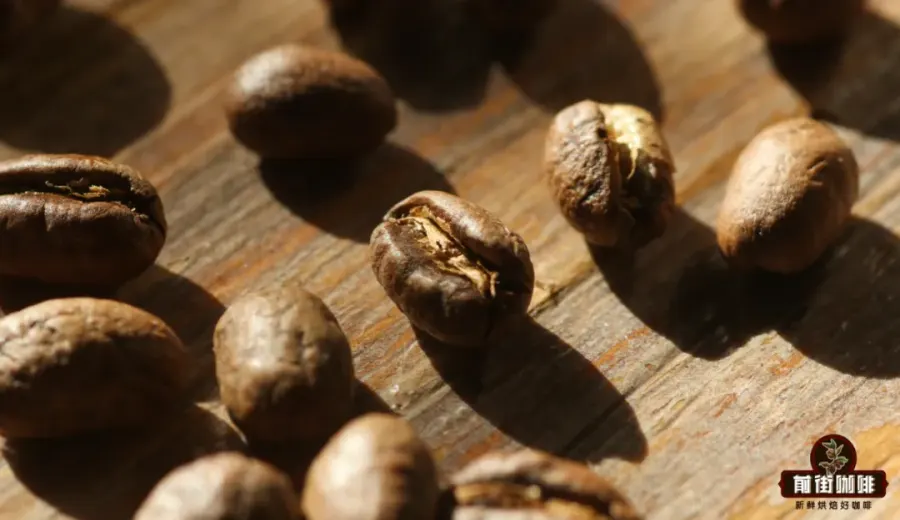
Introduction:Have you heard of "male beans" in coffee? In fact, they are the small, round peaberries, also known as PB beans. Their appearance is quite different from the common flat beans, which has led to many misunderstandings. This article delves into the reasons behind peaberry formation, debunks the myth of male and female beans, and explains why PB beans usually come with a higher price tag. With clear concepts and practical information, it helps you better understand the classification and value of coffee beans.
In the vast world of coffee beans, there is one uniquely shaped, small and round bean that always catches the eye of many coffee enthusiasts—the peaberry, also known as the PB bean. Its appearance is distinctly different from the commonly seen flat coffee beans, which piques the curiosity of many: what’s so special about this kind of bean? Some even mistakenly identify it as the “male bean” of coffee, further giving rise to the so-called “male and female bean” theory. But in reality, these are all misconceptions about coffee bean classification.
To understand the difference between peaberries and flat beans, we first need to start with the structure of the coffee cherry (i.e., the coffee fruit). Typically, a mature coffee cherry contains two coffee beans. These two beans are nestled against each other inside the fruit, and their close contact is due to each having aflat surface. When the outer skin and pulp are removed, the two coffee beans can be separated. Because both have flat sides, they are referred to as "flat beans."
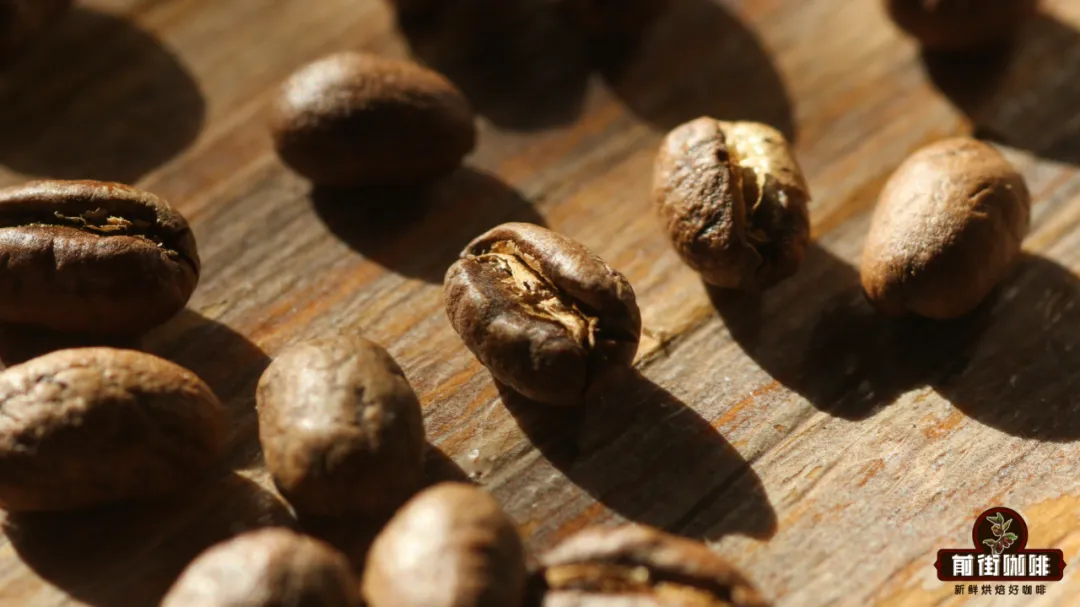
So, what’s the deal with the so-called "male and female beans"? This is actually a long-standing misunderstanding. Many people, upon hearing the term "male bean," assume that these round beans possess some sort of gender characteristic, and may even go on to guess that the flat beans are the “female beans.” However, in truth, coffee beans do not have any gender, nor is there any scientific basis for the existence of male or female beans. This notion is simply a folk misconception based on the shape of peaberries.
So, how are peaberries (PB beans) actually formed? In rare cases, one of the beans inside a coffee cherry may, due to developmental changes, absorb the nutrients that were supposed to be shared by both beans, causing it todevelop independently into a small, round bean without a flat surface. This is what we call a peaberry. Because of its pearl-like shape, it earned the name Peaberry. Such occurrences are extremely rare, typically making up only about3% to 5%of all coffee beans, which adds to their rarity.
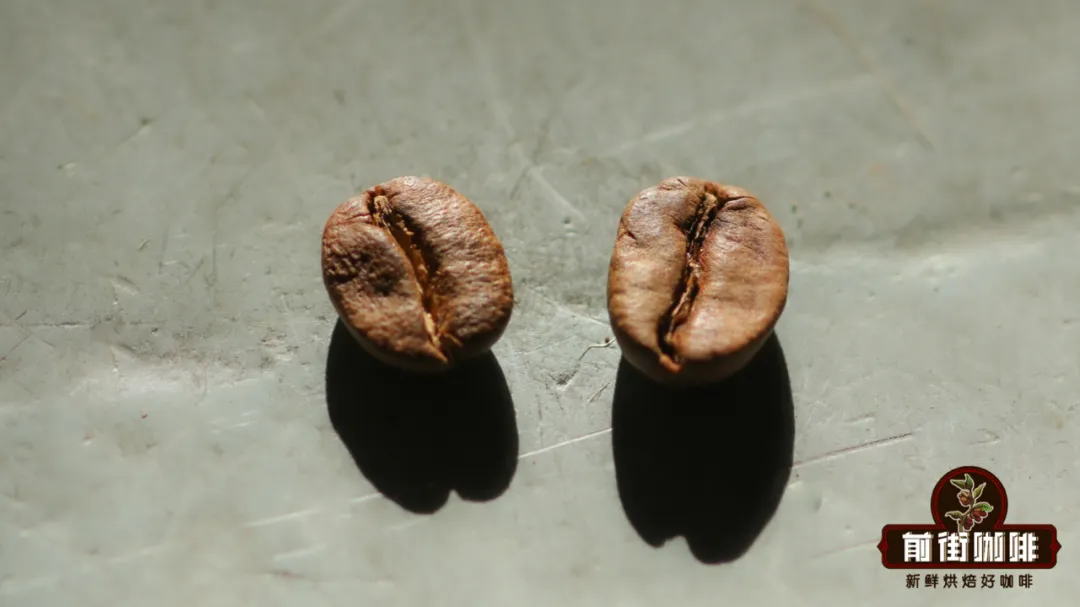
Due to the low probability of peaberry formation and their distinctly different appearance from regular flat beans, peaberries also exhibit slightly different characteristics during roasting and brewing. As a result, they are often hand-selected and sold as PB-grade beans. This is one of the reasons why PB beans are generally more expensive than ordinary flat beans in the market. Additionally, because they are scarce, many coffee farmers or processors specifically hand-pick these round beans, further increasing costs.
Besides being rare, peaberries are often considered to have unique flavor profiles. Although science has not conclusively determined that PB beans taste better than flat beans, many baristas and roasters note that due to the typically higher density of peaberries, heat transfer during roasting is more even. This can sometimes result in a more concentrated, brighter acidity and richer fruity notes. Of course, this is also closely related to factors such as coffee variety, origin, and processing method, and flavor quality cannot be judged solely based on appearance.
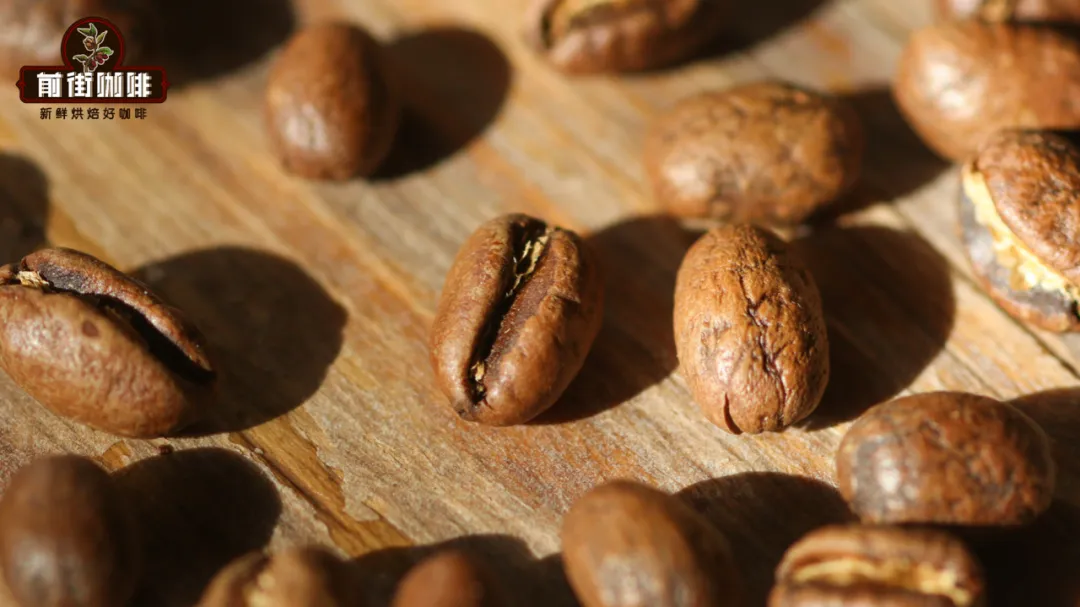
In summary, peaberries (Peaberry) are a type of coffee bean resulting from a unique developmental anomaly. Their main difference from flat beans lies in their appearance and formation process, not in any so-called gender distinction. The idea of "male and female beans" is merely a misunderstanding based on the shape of the beans—coffee beans do not have genders. The higher price of PB beans is mainly due to their low occurrence rate, the difficulty of selection, and the imbalance between market demand and supply. If you’re a coffee enthusiast, why not try tasting PB beans and experience firsthand whether they offer a flavor profile distinct from flat beans.
The above content is compiled by CoffeeHunters, a coffee news website.


