








Introduction:Recently, the motorcade of Colombia’s Vice President was attacked by gunfire in the Cauca Department, one of the country’s major coffee-growing regions. Although no injuries or fatalities were reported, the incident highlights long-standing security concerns in the area. Both Cauca and the neighboring Valle del Cauca Department produce over 140,000 metric tons of high-quality Arabica beans annually and are home to top-tier estates such as Paradise and Immortal, making them key sourcing destinations for international buyers. This article delves into the potential impact of violent conflict on the coffee supply chain—from regional safety to export logistics—offering crucial insights for traders and coffee enthusiasts focused on Colombian beans.
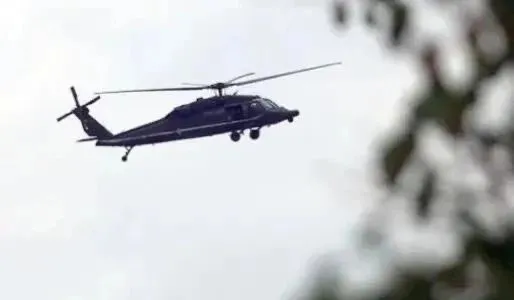
On July 10, the Vice President of Colombia, Francia Márquez, had her usual vehicle ambushed by unidentified gunmen in the southwestern Cauca Department. According to authorities, the bullets were likely fired from a rifle, but she was not in the car at the time, and no injuries or deaths occurred. Nevertheless, this sudden attack has once again drawn global attention to the persistent instability in Cauca and the neighboring Valle del Cauca Department.
What should raise serious alarm within the coffee industry is that these two departments, located in southwestern Colombia, collectively produce over140,000 metric tonsof coffee per year, accounting for a significant portion of the nation’s total output. The region boasts not only ideal soil and microclimates that yield fruity, bright, and acidic premium Arabica beans, but also internationally renowned specialty coffee estates such as Paradise Estate (Paraiso), Immortal Estate (Inmaculada), and Hope Estate (Cafe Grania de La Esperanza). It is a pilgrimage site for traders and coffee scouts every year.

So far, no organization has claimed responsibility for the attack, but Colombian authorities suspect that a faction under the dissident group known as the Central General Staff (EMC) is likely behind it. This group has been increasingly active in Cauca and Valle del Cauca in recent times, not only contributing to a rise in violent incidents but also turning the area into a key transit hub for drug trafficking.
The rugged terrain of Cauca Department has long been a “no-man’s land” where left-wing guerrillas, drug cartels, and right-wing paramilitary groups intersect. Even after the Colombian government signed peace agreements with some rebel factions, sporadic conflicts continue to occur here. In early June of this year, Valle del Cauca declared a state of maximum alert due to repeated disruptions caused by armed militants.
If the government deploys more troops or intensifies suppression efforts to curb the spread of violence, it could trigger larger-scale armed confrontations. This would not only disrupt local coffee farming activities, leading to reduced harvests, but could also affect coffee exports. It is particularly important to note that Colombia’s major container port, Buenaventura, is located in Valle del Cauca, through which approximately32% of the nation’s export goods—including a large volume of coffee beans—are shipped. Any damage to roads or infrastructure around the port due to conflict could severely impact the efficiency and timeliness of coffee exports.
According to data from the Colombian National Federation of Coffee Growers (FNC), in the first half of 2024, the country’s coffee production reached5.82 million bags (each bag weighing 60 kilograms), a 16% increase compared to the same period last year, with exports also rising by 15%, marking a recent record high. However, the attack on the Vice President’s motorcade introduces uncertainty to this growth trend.
Following the incident, international organizations including the United Nations, the United States, and the European Union have expressed support for the Colombian government’s efforts to maintain security, emphasizing the importance of the country’s stability to the entire Latin American region. The Permanent Representative of China to the United Nations also called for resolving armed conflicts through dialogue and negotiation. For the global coffee market, the security situation in Cauca and Valle del Cauca will continue to influence the stability of the specialty coffee supply chain and the accessibility of high-quality beans.
The above content is compiled by CoffeeHunters, a coffee news website.


