







Introduction:Mixue Ice Cream & Tea launched a 1-yuan "Snow King Ice Cup" in an attempt to capture the chilled beverage market, but due to chaotic execution by franchise stores and cost structure issues, it was swiftly taken off shelves in multiple regions just a day after launch. This article delves into the operational logic behind ice cup products, reveals the conflicting interests between the brand and its franchisees, and provides practical references for consumers making purchases and stores managing operations.
During the scorching summer, "ice cups" have become a popular choice for cooling down, especially among younger demographics. In response to the market trend, well-known tea chain Mixue Ice Cream & Tea announced the nationwide launch of a 1-yuan "Snow King Ice Cup" at all its outlets. Originally hoping to attract foot traffic with an astonishingly low price, the product was quickly taken off shelves in many locations the very next day, sparking widespread discussion among consumers and franchisees.
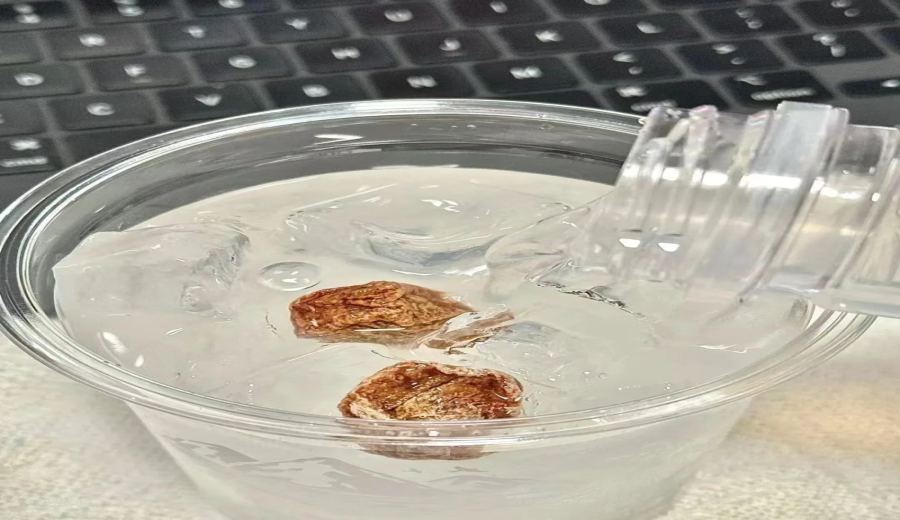
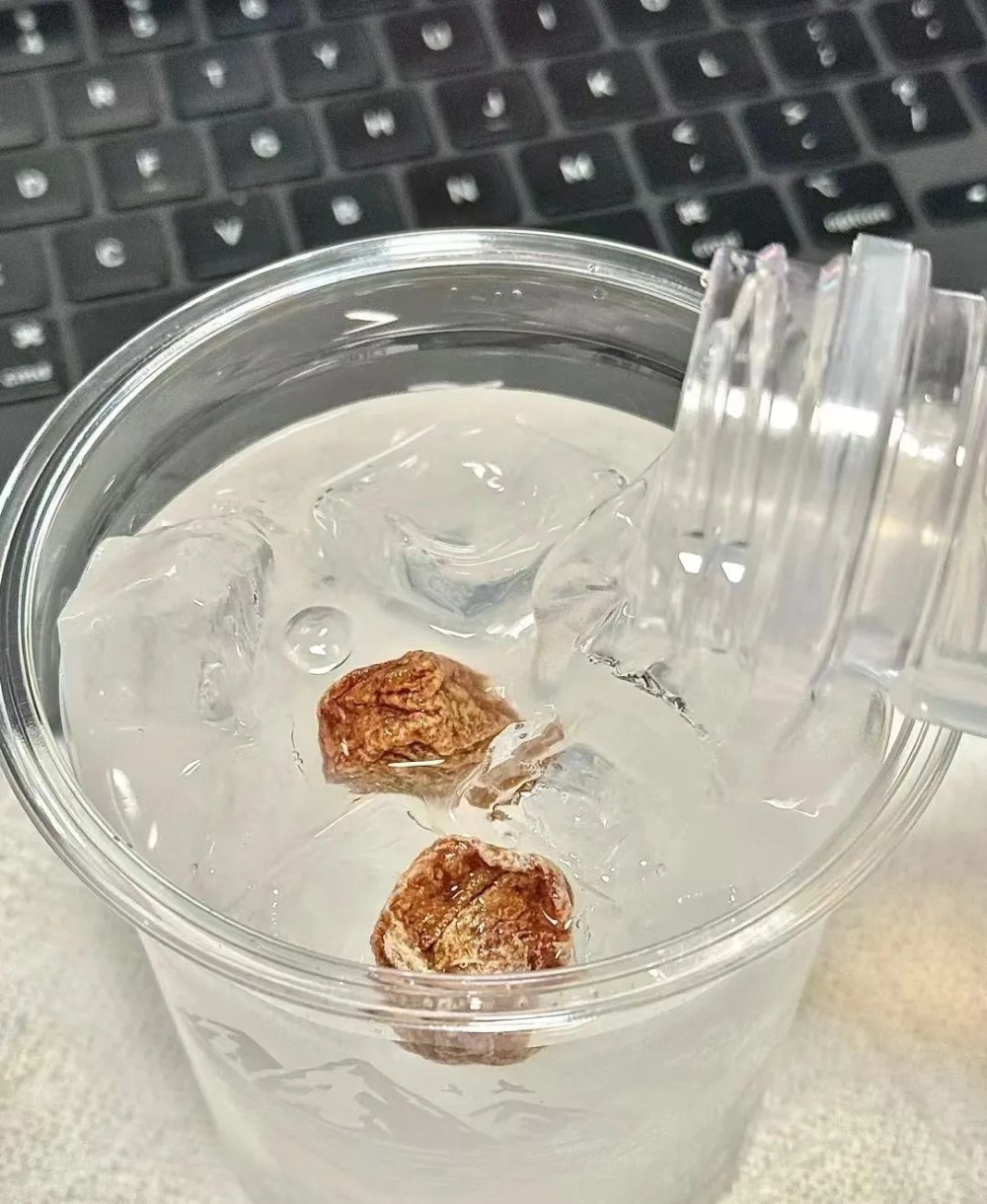
So-called ice cups are essentially pre-made transparent ice cubes packed in special cups. Consumers can take them home and add their own beverages to quickly create a refreshing cold drink. Due to their convenience and the lack of need for personal ice-making equipment, such products have sold well in convenience stores and supermarkets. This has also led numerous brands, including Hema, Ele.me, and Nongfu Spring, to enter the ice cup market.
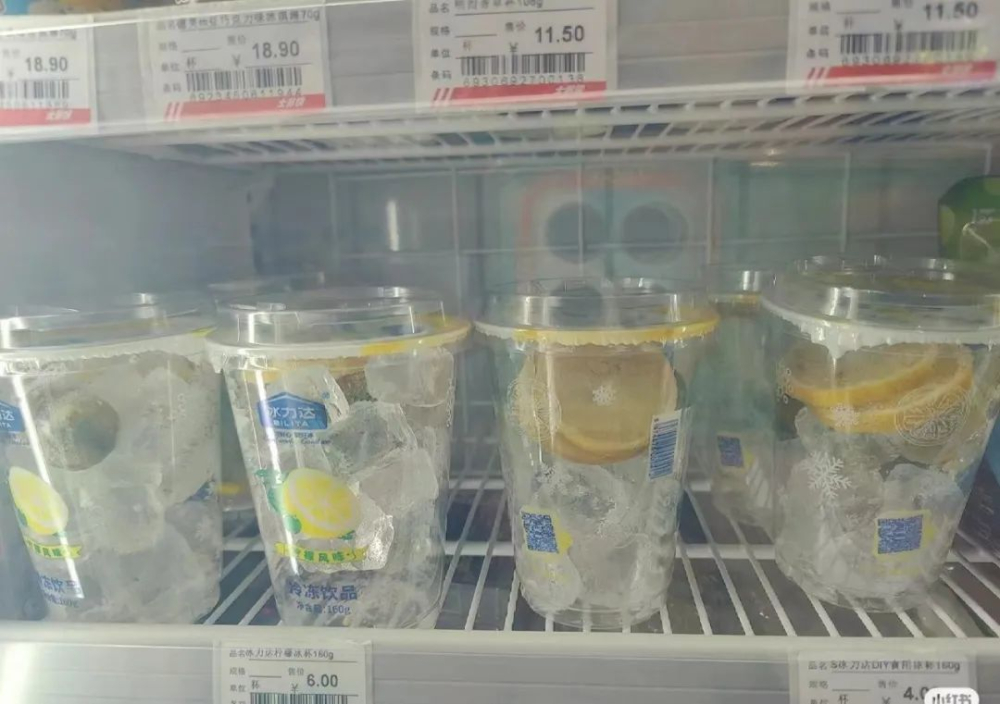
As more players entered the market, ice cups evolved beyond simple transparent ice. Manufacturers began offering fruit-flavored versions such as strawberry and lemon, with some even adding ingredients like green lime slices or orange segments. Prices also rose accordingly—regular ice cups were priced around 3 yuan, while advanced flavored versions were even priced above 10 yuan, leaving many consumers lamenting that “ice has become unaffordable.”
As market competition intensified, Mixue Ice Cream & Tea, responding to fan suggestions, announced via official channels the nationwide launch of a 1-yuan "Snow King Ice Cup" in all its stores, hoping to “rectify” market order with an ultra-low price. The official poster showed the ice cup packaged in a common 600ml takeaway cup, appearing quite substantial, which excited many consumers who looked forward to easily making high-value-for-money cold drinks at home.
However, reality turned out to be far from the ideal vision. Many customers who went to the stores to buy the product were shocked to find that staff knew nothing about the new offering, or were unclear about the specific production standards. Some managed to complete the transaction at 1 yuan, but were actually charged 2 yuan; others who ordered online received melted ice that had turned into a cup of plain water, resulting in a greatly diminished experience.
Negative reviews quickly piled up on social platforms, with netizens leaving messages expressing dissatisfaction, including comments like “Don’t promote the Snow King Ice Cup if you don’t want people to buy it,” “Where’s the promised 1-yuan Snow King Ice Cup?” “Why is my Mixue ice cup all water?” and “Mixue Ice Cream & Tea, you stabbed me in the back,” reflecting consumer doubts about the brand’s credibility and execution capability.
Further investigation revealed that this chaos reflects a communication gap between the brand and its franchisees. According to some store operators, there was no prior comprehensive training or notification regarding the ice cup launch, leading frontline staff to be unable to properly introduce or handle the product. Additionally, from a cost perspective, although each ice cup is sold for just 1 yuan, it actually involves hidden expenses such as cup costs, electricity and water usage for ice-making, and labor time, severely compressing overall profits. In some cases, it even resulted in a situation where “each sale leads to a loss.”
What worries franchisees even more is that once ice cup production begins, the store’s ice-making machines may be pushed to high-load operation, affecting the normal supply of other beverages. At the same time, some operators are also concerned that consumers taking ice cups home to mix their own drinks will directly erode the sales of ready-made beverages in-store, further impacting overall revenue performance. Based on these considerations, many stores have proactively removed the ice cups from online and offline platforms, or raised the actual selling price to compensate for the cost gap.
In response to consumer complaints, Mixue Ice Cream & Tea’s customer service stated that the ice cup is currently in the new product launch phase, with pricing and operational procedures at various stores still being adjusted. If customers find discrepancies with the promotional claims, they can file complaints and feedback through official channels, and the brand will follow up on the matter.
This incident not only highlights the execution challenges in rapidly promoting new products, but also reflects potential conflicts between the brand headquarters and local stores in a franchise system regarding cost sharing and operational goals. For businesses looking to engage in the chilled beverage market or those about to enter this sector, how to balance brand strategy, consumer expectations, and actual operational costs will be key to sustainable development in the future.
The above content is compiled by CoffeeHunters, a coffee news website.


