







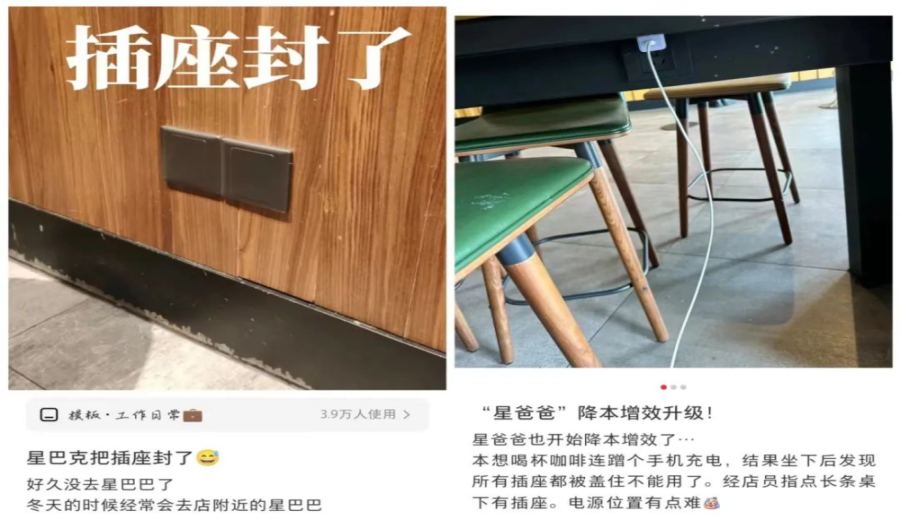
Introduction:Recently, multiple Starbucks outlets have implemented measures to seal or disable power outlets, sparking discussions around the concept of the "third space" experience and the fair use of resources. Some customers have reported that outlets have been covered or deactivated—especially those in areas where people tend to stay for extended periods and require charging—resulting in noticeable inconveniences. This article delves into the multifaceted reasons behind Starbucks’ decision, including preventing seat-hogging without consumption and reducing safety risks, while analyzing how this policy impacts customer experience and helping readers understand the operational logic behind the phenomenon.
Recently, many customers have noticed that some power outlets at Starbucks outlets have been sealed off or obscured, rendering them unusable—particularly those located near walls. This change has triggered widespread discussion. Starbucks, which has long positioned itself as a provider of the "third space," previously attracted many customers who needed to stay for extended periods—including office workers and students—by offering amenities such as power outlets and Wi-Fi. However, with an increasing number of users occupying seats solely to charge devices without making purchases, store management has faced challenges, leading to adjustments in outlet usage policies.
According to feedback from several customers, in some outlets, a row of outlets along the wall suddenly became unusable, with only certain areas—such as under long tables or other less conspicuous spots—still providing power. Currently, this outlet deactivation measure is not uniformly enforced across all locations and may vary depending on the specific conditions and management strategies of each outlet. Nonetheless, it has drawn enough attention. Some customers believe that disabling outlets inconveniences those who need to work or study for long periods, especially as mobile phones and laptops consume power quickly; once unable to charge, they are forced to shorten their stay.
From a management perspective, some observers have pointed out that certain customers engage in "seat-hogging without consumption" behavior—for example, occupying seats for long periods just to charge devices, often ordering only plain water or even using non-Starbucks cups for their beverages, thereby crowding out resources meant for regular customers. Some individuals may purchase a single item such as coffee but use cups from other brands, which also sparks discussions about brand loyalty. As a result, some argue that disabling outlets might be a subtle management tactic by outlets to curb “freeloaders,” aiming to free up more resources for customers who actually make purchases.
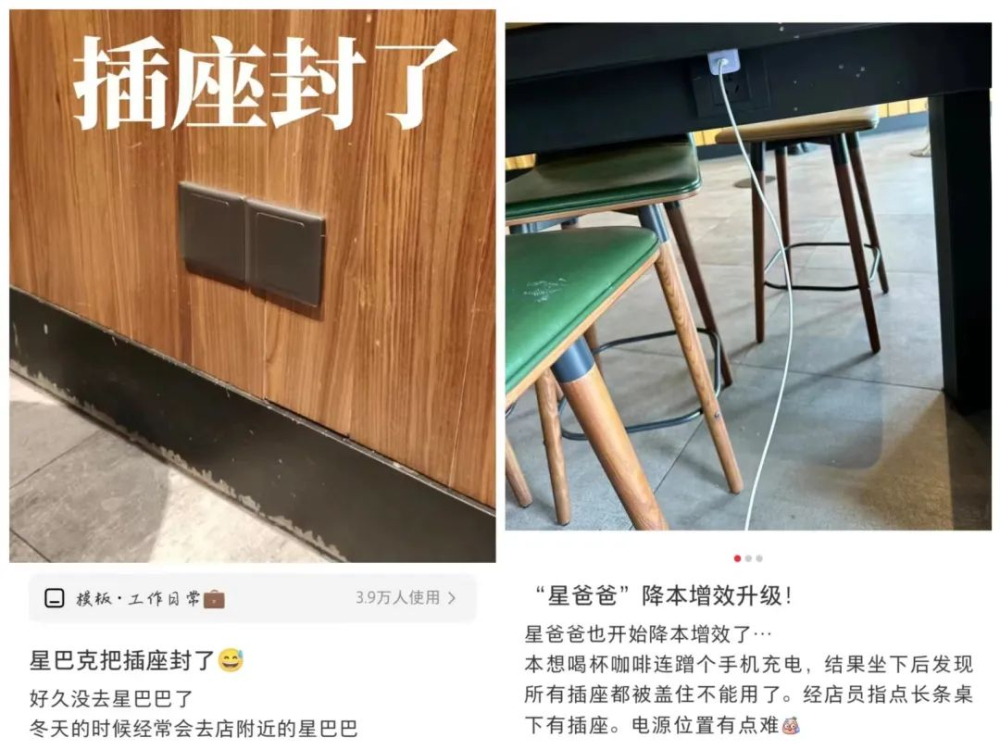
On the other hand, experts and netizens have also raised concerns regarding safety. There have been cases where individuals used public outlets to power electric vehicle batteries or even high-wattage appliances such as rice cookers and small hot pots. Such actions not only violate outlet regulations but have also triggered smoke alarm systems in the past, posing potential threats to both operations and safety. Against this backdrop, some Starbucks outlets may choose to shut down certain outlets to reduce the risk of unexpected incidents and avoid circuit overload issues caused by non-standard equipment being plugged in.
Regarding the actual impact of outlet restrictions, customers who regularly work or study at Starbucks have indicated that without a stable charging environment, their willingness to stay in-store may be affected, potentially reducing their frequency of visits. Especially for creators and remote workers who rely on a stable power supply, the availability of outlets often becomes a key factor in choosing an outlet location. Therefore, how to balance safety concerns and the prevention of resource misuse while still addressing customers' practical needs is a challenge that Starbucks and other chain coffee brands will need to continuously optimize in the future.
In summary, Starbucks’ decision to seal off outlets reflects the tension between the ideal of the "third space" and the realities of operational challenges. Moving forward, the brand may adopt more refined management strategies—such as differentiated seating designs, tiered charging permissions, or linking resource usage to actual consumption—in order to maintain a positive customer experience while effectively managing resource utilization and further balancing the needs of all stakeholders.
The above content is compiled by CoffeeHunters, a coffee news website.


