







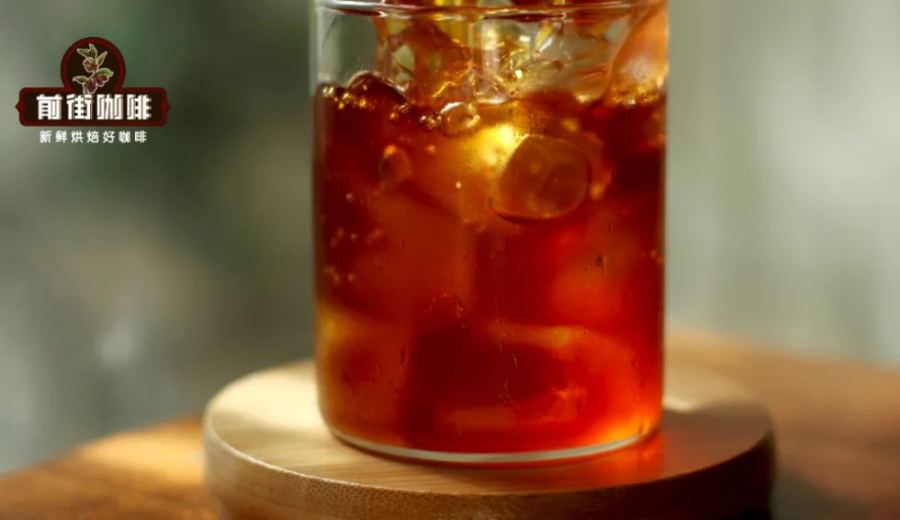
Introduction:Want to enjoy an exquisitely flavored iced pour-over coffee in the summer but struggling to preserve its floral-fruity aromas and sweet-tangy juice-like character? This article takes a classic washed-process medium-light roasted bean as an example, diving deep into bean selection, water temperature, pouring techniques, stirring methods, and providing precise three-stage extraction parameters—so you can easily recreate at home a refreshing iced coffee bursting with flavors like yellow peach and sweet orange, mastering professional-level pour-over details.
On hot summer days, a refreshing iced pour-over coffee not only cools you down but also delivers delightful surprises with each sip. However, simply adding ice cubes to a hot pour-over often fails to showcase the delicate floral-fruity aromas and juicy sweet-tangy flavors inherent in the coffee. This piece will guide you through creating an iced pour-over with flavors of yellow peach, sweet orange, and grapefruit—from bean selection to brewing—step by step.

In the sweltering summer heat, iced coffee is an essential daily beverage for many, and pour-over coffee, with its refined brewing technique, is particularly well-suited for highlighting the fruitiness and layered complexity of coffee beans. But to achieve that juice-like, vibrant sweet-tangy taste in iced pour-over, simply lowering the temperature isn’t enough. Behind this lies a set of key elements including bean selection strategy, water temperature control, pouring techniques, and additional stirring actions.

So, which type of coffee bean is better suited for creating that juice-like iced pour-over experience? The answer lies in medium-light roasted beans rich in fruity acidity. Coffee contains a variety of acids, among which citrus acid, malic acid, and peach/stone fruit acid are especially known for their bright, tangy sweetness. These acids are often closely tied to the terroir of specific growing regions. The right amount of fruity acidity can lend coffee bright notes reminiscent of yellow peach, sweet orange, or cherry, forming an essential foundation for that juicy mouthfeel.
The coffee used in this demonstration is a washed-process bean that emits delicate white floral notes, accompanied by multi-layered fruit aromas and sweet-tangy sensations such as sweet orange, dried apricot, peach, green grape, and yellow lemon. These flavor profiles, often categorized under the “fruit” category in the flavor wheel, are precisely the key elements that create that juicy taste.
To successfully extract such flavors, it’s recommended to use a medium-high water temperature of 91–93°C, employing a slow, circular pour with a fine stream combined with a three-stage extraction method, keeping the total extraction time between 1 minute 50 seconds and 2 minutes. This parameter range helps fully release the coffee’s early-stage fruity acids and aromas, while also taking into account the mid-to-late stage sugar compounds and sweetness—achieving a balanced, juice-like sweet-tangy profile.
To make the coffee deliver that juice-like sweet-tangy experience, the key isn’t just about extracting flavor compounds, but also fully preserving the acidic brightness and sweetness. Therefore, in addition to traditional pouring, it’s recommended to add a “stirring” step to promote even contact between coffee grounds and water, further releasing aromatic substances and soluble sugars—resulting in a rounder, fuller mouthfeel.
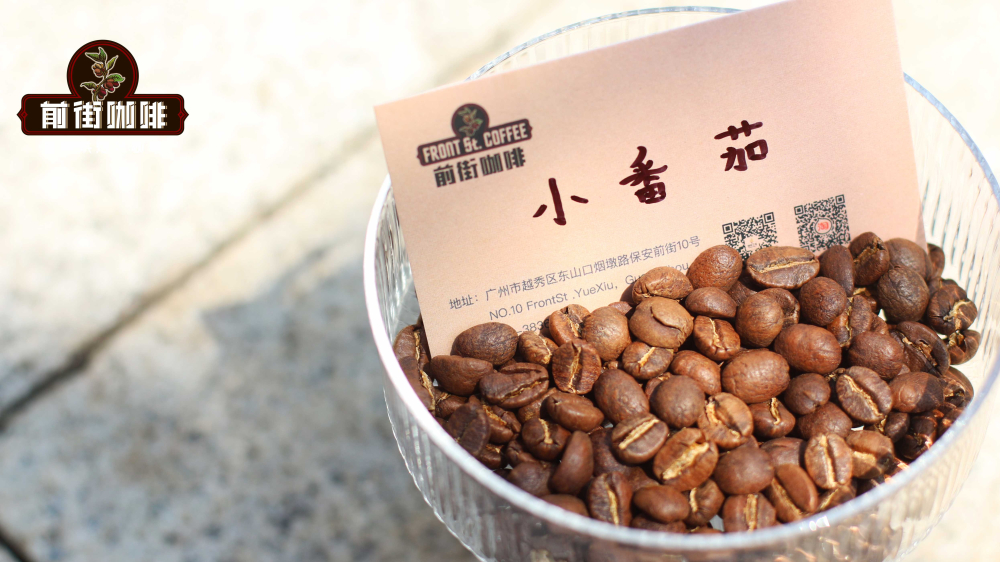
It’s recommended to use a Hario V60 filter cone for brewing, as its flow rate characteristics help control the pace of extraction. Below are the specific parameters and steps for a three-stage pour-over:
1. Water Distribution:First stage: 30 grams → Second stage: 90 grams + stirring → Third stage: 40 grams
2. Step-by-step Instructions:
First, place a sufficient amount of ice cubes in the server, then add the desired amount of coffee grounds. During the first stage of blooming, use a fine stream to pour 30 grams of hot water in a circular motion from the center outward. This helps activate the coffee grounds.
After 30 seconds, move on to the second stage: increase the water flow and continue pouring 90 grams of hot water in a circular motion. Pause pouring when the total weight reaches 120 grams. At this point, use a small spoon to gently stir about 5 times in the same direction along the inner wall of the filter cone to promote even extraction. Then let the coffee drip slowly.
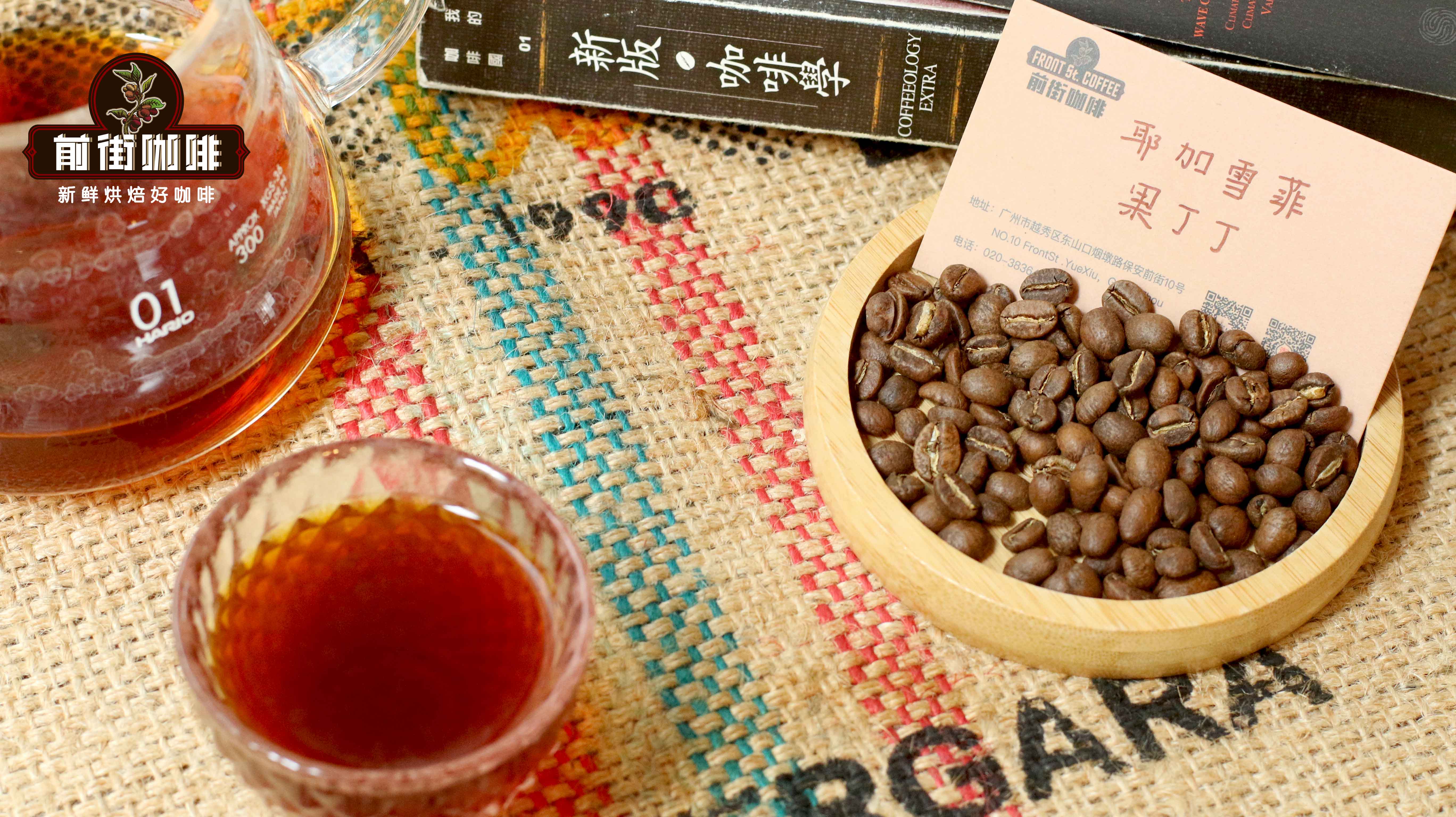
When the water level in the filter cone is nearly drained, switch back to a fine stream and pour the remaining 40 grams of hot water in small circles. The overall extraction time should be around 1 minute 25 seconds, with the final dripping completed in approximately 1 minute 55 seconds to 2 minutes 5 seconds.
Finally, give the coffee in the server a good shake with the ice cubes to ensure they fully melt—then enjoy this iced pour-over with its bright floral-fruity aromas and refreshing juice-like mouthfeel.
The washed coffee brewed using the above method delivers a bright, juicy sweet-tangy taste upfront, reminiscent of yellow peach and sweet orange. With careful sipping, you’ll also notice a refreshing lingering note of grapefruit. The overall flavor profile leans toward the lively tone of yellow stone fruits. Thanks to the added stirring step, not only is the fruit acidity enhanced, but a gentle sweetness is also released. Paired with the cooling effect of the ice, the result is like a handcrafted fresh juice—perfect for savoring on a hot summer day.
The above content is compiled by CoffeeHunters, a coffee news website.


