








Introduction:Have you ever brewed a fruity or floral coffee and caught a captivating floral aroma but couldn’t quite describe it? Or wondered why others can pick up on subtle scents while you remain oblivious? This article delves into the chemical origins of floral aromas in coffee, introduces the three major fragrance profiles and their representative flowers, and provides practical sinus olfactory training methods to help coffee enthusiasts enhance their sensitivity to delicate aromas and more accurately discern the hidden layers of fragrance in beans.
Many pour over or hot-brewed coffee lovers have experienced this: when grinding coffee beans, a fresh aroma wafts up, faint yet invigorating. Yet with the same beans, some can immediately identify floral notes while others remain insensitive. Where does the floral scent in coffee come from? Why can some easily recognize it while others can’t? We’ll explore this from aspects such as compound composition and roast impact, and analyze the three main types of floral characteristics in the coffee flavor wheel to help you better understand the origin and identification of these nuanced aromas.
The floral attributes of coffee are often described as sweet, light, and pleasant—traits that don’t appear out of nowhere but result from the interaction of various volatile organic compounds. Research indicates that compounds related to floral aromas mainly include terpenes, alcohols, esters, aldehydes, and lactones. These stimulate nasal olfactory receptors, triggering neural responses similar to those evoked by real flowers in memory, leading us to perceive the presence of "floral" scents. These aromatic substances are mostly concentrated in medium to light roasted coffee beans, as over-roasting tends to destroy their delicate fragrance molecules. Therefore, if you want to enjoy prominent floral notes, it’s recommended to choose medium-light roasted beans with a fruity-floral profile.

In the world of coffee tasting, professionals often categorize floral aromas into three types, each corresponding to different color palettes and aromatic traits. The first type is the fresh floral type, characterized by a bright and clean fragrance, with jasmine as its most representative flower—and one of the most widely recognized floral notes in coffee. This type of aroma is commonly found in washed-process coffees from high-altitude regions in Africa and Central America, especially those with light roasts that bring out the best expression. Besides jasmine, other typical representatives include coffee blossom, magnolia, gardenia, citrus blossom, orange blossom, and marigold. These aromas often carry a light honey-like sweetness, leaving a refreshing and pleasant impression.
The second type is the subtle floral type, represented by rose, with a richer and warmer aroma that creates a soothing and tranquil atmosphere. In addition to roses, this floral category also includes violets, lavender, camellias, and rugosa roses, offering layered scents that often coexist with the sweetness of ripe fruits. In actual tasting, for example, the natural-processed Emerald Red Label Gesha showcases a strong rose aroma; similarly, certain lots of the 74158 variety from Alo village in the Bansha area also often emit a gentle lavender tone, adding a touch of dignified elegance to the coffee.
The third type is the muted floral type, a rather unique aromatic expression, often accompanied by a slight pungent sensation and possible hints of lemongrass or spicy notes. At first whiff, it may seem intense or even off-putting, but it’s precisely this distinctiveness that makes it easily recognizable. This type is represented by chamomile and osmanthus. For instance, certain beans from Colombian regions release an aroma reminiscent of a blend of chamomile and pepper during grinding. Though the initial impression might be strong, careful sipping reveals a uniquely layered profile.
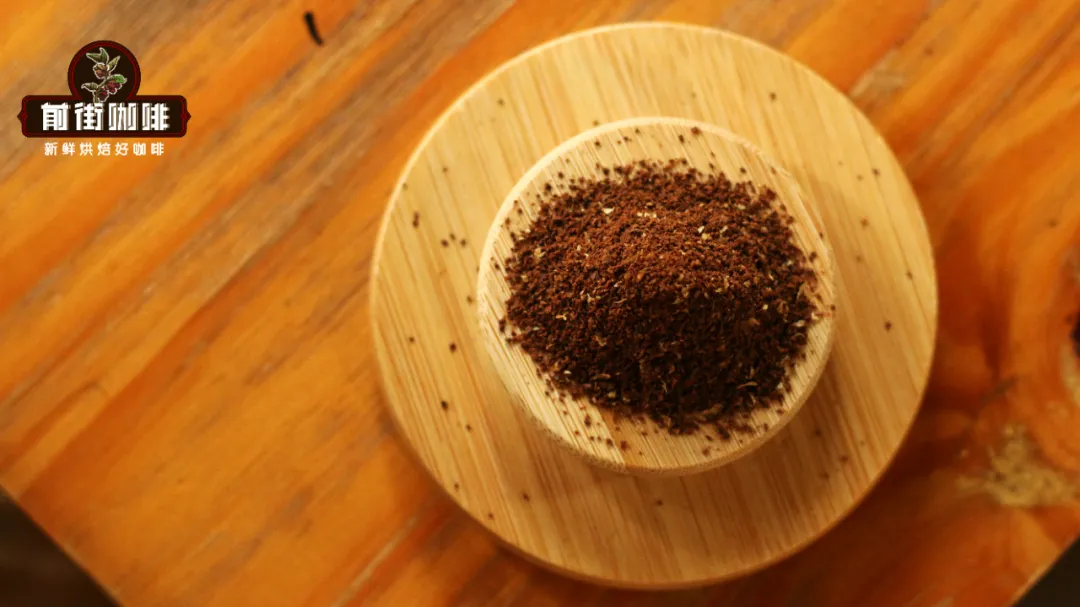
So, how can coffee enthusiasts train themselves to identify these subtle floral characteristics? Since the aroma molecules in roasted coffee beans intertwine, they often can’t present as purely as real flowers. Therefore, it’s recommended to start with the “overall contour and feeling of the aroma” rather than limiting yourself to finding an exact match to a specific flower. A practical approach is to focus on how the aroma distributes and lingers in the nasal cavity, particularly in the sinus areas—including the frontal, sphenoid, ethmoid, and maxillary sinuses. These cavities around the nose help us capture aroma details more accurately.
For example, fresh floral aromas, once entering the nasal cavity, often quickly rush toward the frontal sinuses and rapidly diffuse, lingering only briefly and not for long. As a result, they often carry an ephemeral freshness, paired with a hint of honey-like sweetness, creating a soft and gentle impression. Subtle floral aromas are slightly more intense. Upon entering the nasal cavity, they not only quickly reach the frontal sinuses but also gather at the back of the nose, producing a mild sense of pressure. They are usually accompanied by the aromas of dark, ripe fruits, giving a sense of stability and layered complexity. As for muted floral aromas, their hallmark is that the scent tends to accumulate in the frontal sinuses and extend upward toward the crown of the head. When inhaling through the nose with the mouth closed, you can clearly feel the aroma lingering between the brow and the nasal cavity. Though slightly irritating at first, once adapted, you can begin to appreciate its unique charm.
Through such olfactory training, you can not only enhance your sensitivity to coffee floral aromas but also help you more accurately capture and describe the nuanced aroma changes when tasting beans from different regions or processed differently, further enriching your coffee experience.
The above content is compiled by CoffeeHunters, a coffee news website.


