







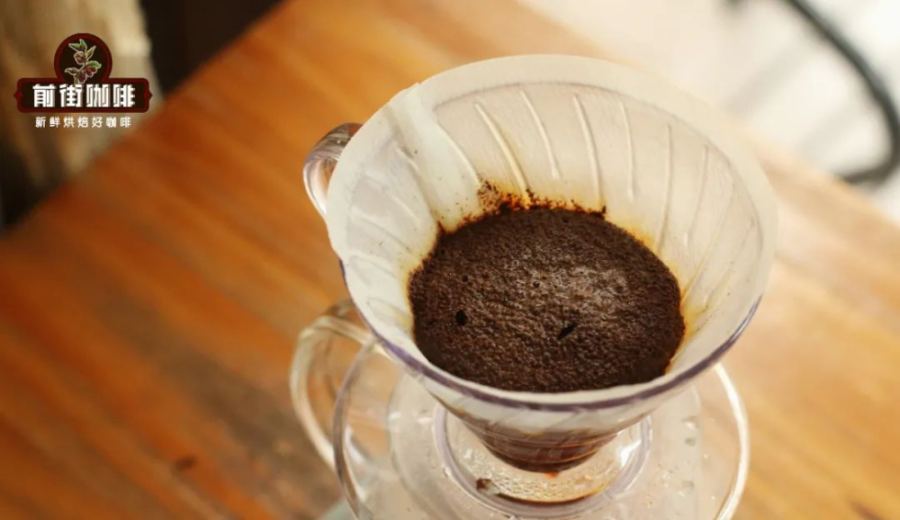
Introduction:Freshly roasted coffee beans are full of carbon dioxide, and brewing them directly can affect flavor release. This article delves into the scientific principles and practical differences between aging and degassing, helping you understand the required degassing times for different roast levels, and providing expert advice to help you grasp the optimal drinking window. Whether you're using pour over or espresso, the correct aging and degassing steps can make your coffee perform better.
Freshly roasted coffee beans contain a large amount of carbon dioxide. If these gases are not fully released, they can seriously interfere with the extraction efficiency of flavor compounds by hot water. To allow the coffee to display its fullest aromatic layers, we need to go through a systematic aging and degassing process to bring the beans to an ideal extraction state. Although these two stages share the same ultimate goal, there are significant differences in timing and execution.
Agingrefers to the process of allowing coffee beans to naturally release carbon dioxide in a sealed environment. The length of this period is directly related to whether the coffee can enter its optimal drinking stage — what we call the flavor window. Think of it like brewing fine wine, which requires enough time for internal reactions to balance out.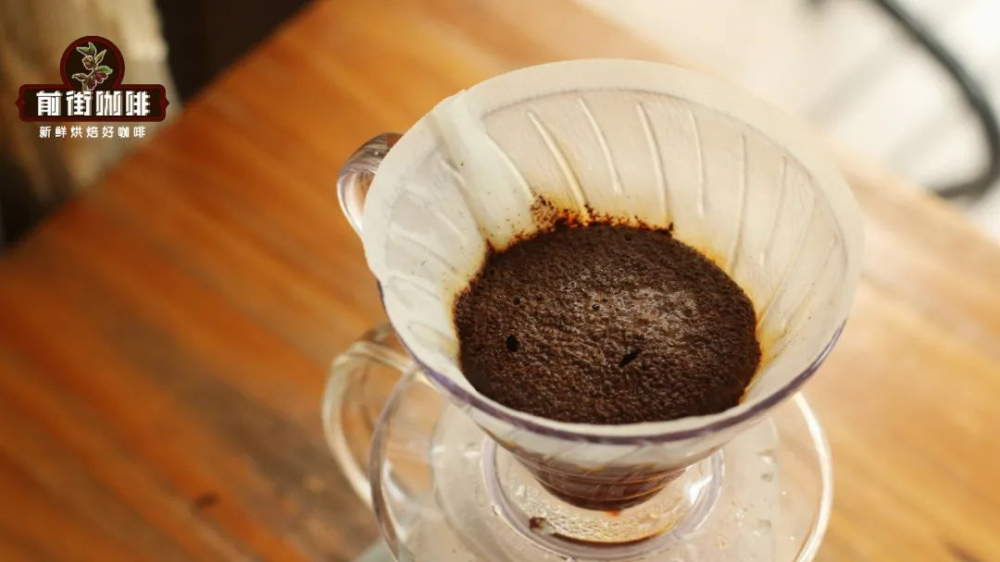
It’s worth noting that roast level and aging time are positively correlated. Many people assume that dark roasted beans, due to their looser structure, require a shorter aging period, but the reality is quite the opposite.Dark roasted beans, having spent more time in the roasting process, actually accumulate more carbon dioxide internally. Even though their porous structure helps speed up degassing, they still need5 to 7 daysto fully stabilize; in contrast, light roasted beans only require3 to 5 daysof aging to reach an ideal state.
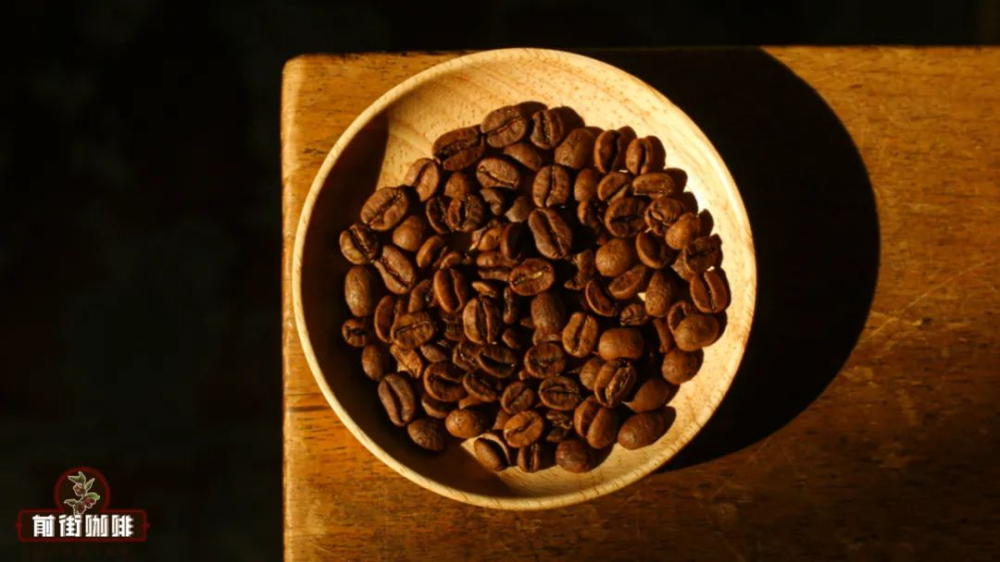 Once the coffee beans have completed the aging process, the internal carbon dioxide concentration drops to a level that no longer hinders extraction. At this point, hot water can penetrate the coffee grounds more evenly, effectively bringing out complex flavor characteristics such as acidity, sweetness, and body. This is why professional baristas often emphasize that “fresh doesn’t equal best.”
As fordegassing, it is an immediate preparation step just before brewing. This often overlooked stage is especially suitable for handling extremely fresh beans right after opening the package. The specific method is to take the coffee beans out of their original packaging and let them sit in an open container for about 1 to 2 hours (in unground form). If you want to shorten the time further, you can grind them into powder first and then let them sit for3 to 5 minutes. The significantly increased surface area allows for a noticeably faster degassing rate.
There are three key points to follow when performing degassing: first, choose a wide-mouth container to ensure proper air circulation; second, avoid direct sunlight and high temperature environments; and third, be careful not to overly disturb the layer of coffee grounds. This step effectively alleviates channeling effects caused by excessive carbon dioxide, making the subsequent brewing process more stable.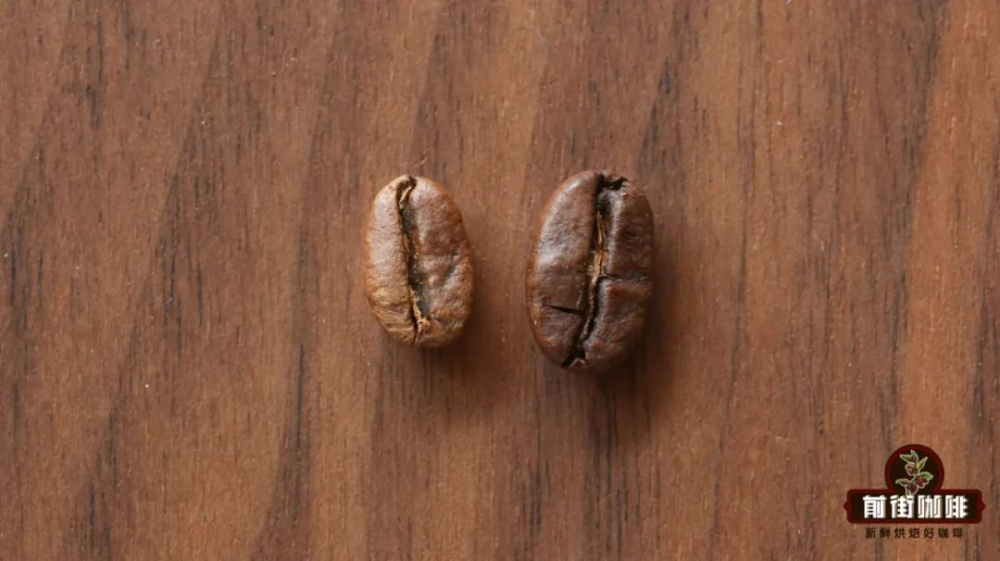
In summary, aging is a long-term process of quality maturation, while degassing is a short-term state adjustment. Understanding the differences and synergies between the two can help coffee enthusiasts accurately capture the flavor golden window of each bean. Beginners are advised to record the correlation between each aging duration and brewing results, gradually building their own coffee management log.
The above content is compiled by CoffeeHunters, a coffee news website.


