







Introduction:A local coffee brand in Guangdong, store by.jpg, has sparked strong consumer backlash after its uniquely designed counter display was accused of resembling a religious altar used for worship. This is not the first time the brand has touched on culturally sensitive issues—from puns to visual designs, it has repeatedly crossed regional taboos. This article delves into the reasons behind the incident, explores how brands can strike a balance between creativity and respect for local culture, and offers practical advice to help businesses avoid similar risks.
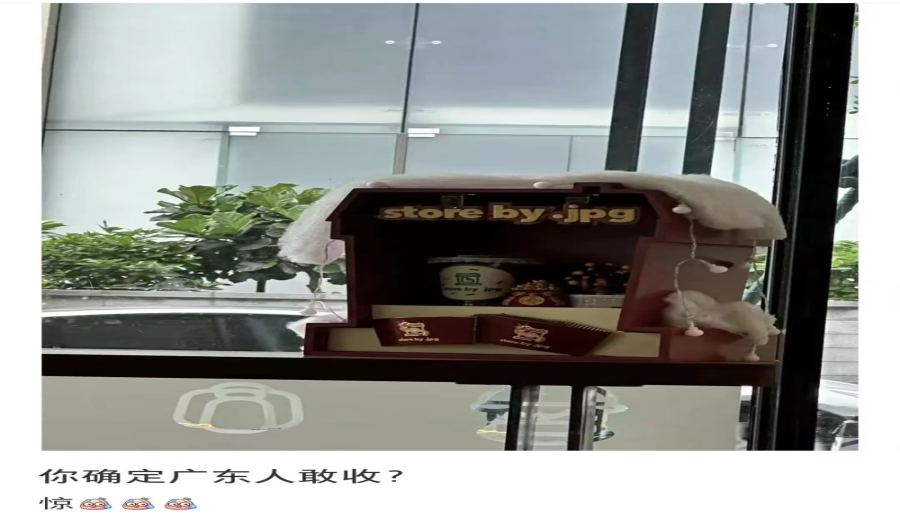
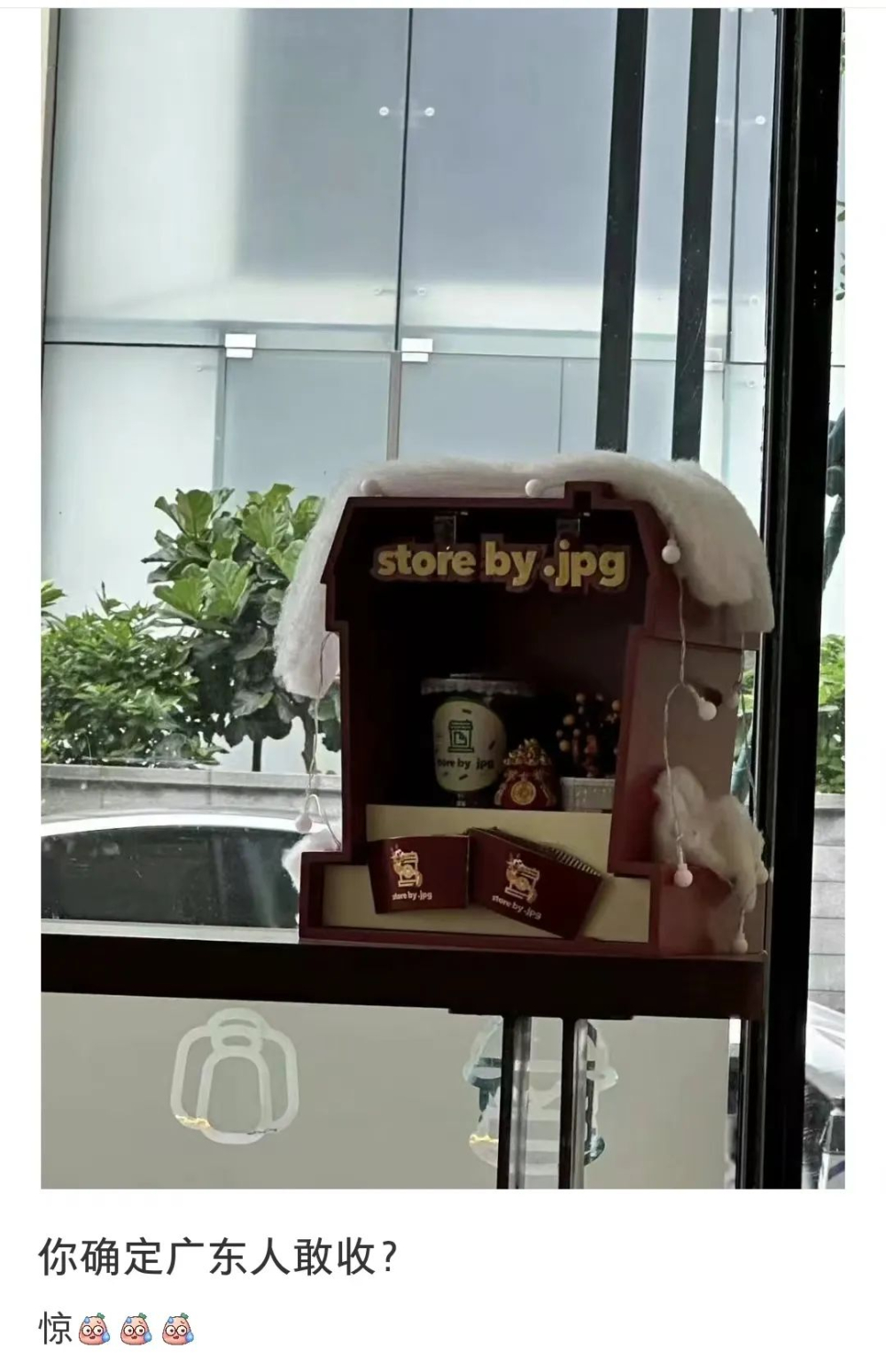
Recently, a locally based coffee brand in Guangdong, store by.jpg, made headlines when an unusually shaped counter display went viral. The display resembled a small red house, with a single-sided open design originally intended to showcase coffee drinks or branded merchandise. Its exterior was decorated with colorful string lights and white elements, giving it the appearance of a snow-covered cottage from afar.
However, to consumers in Guangdong, this “red house” bore an uncanny resemblance to a traditional religious altar used for worship. In local culture, altars hold significant religious and familial importance and are generally not used as ordinary decorations in public spaces, let alone placed directly at the customer-facing counter area. The move immediately drew dissatisfaction from netizens in Guangdong, who felt the brand had failed to respect local customs.
In fact, this is not the first time the brand has stumbled over cultural understanding. Earlier this year, the brand launched a new product called “Good Luck Tangerine,” which sparked controversy due to phonetic implications and was deemed inauspicious. Now, the “coffee altar” incident has once again struck a nerve among Cantonese people regarding symbolism and tradition, highlighting that the brand still needs to be more cautious in its localization design.
After the incident came to light, online discussions heated up. Many consumers said that just seeing such a display would deter them from visiting the store. Some even joked that placing a cup filled with coffee grounds and three straws in front of the display would enhance its altar-like aura. While some netizens argued it might have been an innocent mistake and that the display was likely intended for promotional purposes, a larger number of voices emphasized that as a coffee brand based in Guangdong, it should have a deeper understanding of and respect for local cultural taboos.
The impact of regional cultural differences on brand design
This incident highlights common blind spots brands often encounter when operating across regions. Many brands, in an effort to appeal to younger audiences, frequently use puns, internet slang, or creative visuals, but overlook the fact that symbols and images may be interpreted very differently across regions. Especially in places like Guangdong, where tradition and symbolism are highly valued, even minor oversights in design can lead to serious misunderstandings.
Experts point out that when conducting localized design, brands should first thoroughly understand the cultural background, consumer preferences, and taboos of their target market, and avoid using elements that could cause ambiguity. For example, in Guangdong, totems or structures related to worship or religion should be handled with particular caution to prevent triggering consumers’ sensitivities.
How can brands strike a balance between creativity and respect?
For brands, creative marketing is an important way to capture attention, but balancing the ability to attract attention with respect for culture is a challenge every business must face. First, brands should establish a multicultural sensitivity team to incorporate perspectives from diverse cultural backgrounds during the design phase and conduct risk assessments.
Second, brands can use methods such as market research and focus group discussions to understand the preferences and taboos of their target audience. Especially when entering new markets, collaborating with local consultants can significantly reduce the risk of inadvertently offending cultural sensibilities. Additionally, brands should establish rapid response mechanisms so that if a design or promotion sparks controversy, they can quickly adjust strategies and communicate openly to mitigate negative impacts.
Overall, the “coffee altar” incident provides valuable lessons for all brands hoping to deepen their presence in the Chinese market. Creativity is important, but respecting local culture and understanding consumer psychology are the cornerstones of long-term brand success. Through careful design decisions and cultural sensitivity, brands can not only avoid stepping on cultural landmines but also earn the trust and loyalty of consumers.
The above content is compiled by CoffeeHunters, a coffee news website.


