







Introduction:The Kirinyaga region of Kenya, nurtured by high-altitude volcanic soils, produces coffee with distinctive purple fruit flavors. This article delves into the region’s geographical advantages, historical background, and coffee characteristics. Through a hands-on cupping experience of its washed processed beans, we analyze its bright acidity and smooth mouthfeel, offering coffee enthusiasts a buying reference for specialty beans from unique origins.
As the birthplace of coffee, Africa—particularly Ethiopia and neighboring Kenya—is renowned for producing uniquely flavored coffee beans. Compared to Ethiopia, the origin of coffee, Kenya’s coffee industry started later but quickly secured a place in the global specialty coffee market thanks to its vibrant, juice-like acidity and layered taste profile.
Kenya is home to several well-known coffee-growing regions, especially those surrounding Mount Kenya, the country’s second-highest peak at 5,199 meters above sea level, located in the central part of the country. The cool climate, abundant rainfall, and fertile volcanic soils here create an ideal environment for growing Arabica coffee. Among these, the Kirinyaga region has gained increasing international attention in recent years for its outstanding coffee quality.
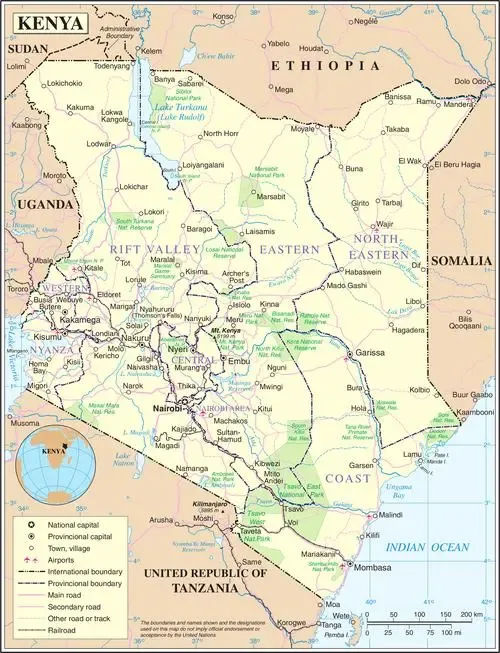
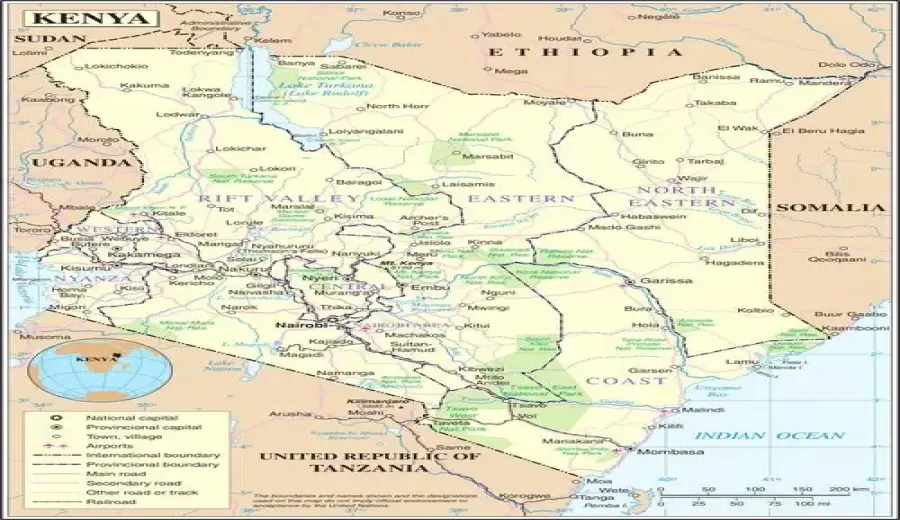
Located in East Africa, Kenya is predominantly a highland terrain with an average elevation of about 1,500 meters. Its climate is tropical savanna, but due to the high altitude, the overall climate is mild and pleasant. The East African Rift Valley runs north-south through the country, clearly dividing the highlands into eastern and western zones. The region is home to many volcanoes, including Mount Kenya, a dormant stratovolcano. The mountainous area is pristine with abundant natural resources and has been designated a UNESCO protected area since 1978.
The Kirinyaga region is situated in central Kenya, adjacent to Mount Kenya, with planting altitudes ranging approximately between 1,300 and 1,900 meters. This elevation slows the growth rate of coffee trees, allowing the beans to develop more fully. The large diurnal temperature variation at high altitudes helps accumulate flavor compounds. The predominant washed processing method here results in clean, bright, and layered coffee profiles. This region, along with the nearby Nyeri region surrounding Mount Kenya, is regarded as one of Kenya’s two top-tier coffee-producing areas.
Interestingly, the local Kikuyu people refer to Mount Kenya as "Kirinyaga" or "Kere-Nyaga," which in their language means "white mountain." They regard this mountain as the dwelling place of the deity Ngai, giving it deep sacred significance. As a result, the coffee culture in this area is not just agricultural production but also rich in cultural heritage.
Coffee farming in the Kirinyaga region is mostly carried out by smallholder farmers who typically join local cooperatives. Together, they establish professional washed processing facilities. Farmers deliver their harvested coffee cherries to these cooperatives for processing, ensuring consistent and stable quality. The washed process effectively removes pulp and impurities, highlighting the intrinsic flavor characteristics of the beans—especially effective for showcasing Kenya coffee’s bright acidity and delicate fruity notes.

To better understand the flavor profile of Kirinyaga coffees, we cupped a washed "Blackberry Queen" lot from the region, roasted to a medium-light level. During the cupping, the dry aroma revealed pronounced berry notes and subtle purple floral scents, such as a gentle blend of blueberry and violet. After pouring water, the fresh aromas of black plum and lemon further emerged, delivering a refreshing olfactory experience.
Upon tasting, the coffee exhibited highly vibrant purple fruit acidity, featuring bright layers of black plum, lemon, berries, and plum. The acidity was crisp yet not harsh, paired with mild sweetness and a soft mouthfeel reminiscent of black tea. The overall profile was well-balanced with a sweet aftertaste. This flavor combination not only showcases the typical traits of the Kirinyaga region but also highlights the refined elegance of high-altitude washed beans.
Overall, the coffee from the Kirinyaga region, shaped by its unique geographical conditions and refined processing techniques, delivers a specialty-grade cup that balances lively acidity with layered fruitiness. For coffee lovers seeking Kenya’s high-altitude flavors or those who favor purple fruit profiles, beans from this region are definitely worth adding to your daily rotation or collection list.
The above content is compiled by CoffeeHunters, a coffee news website.


