







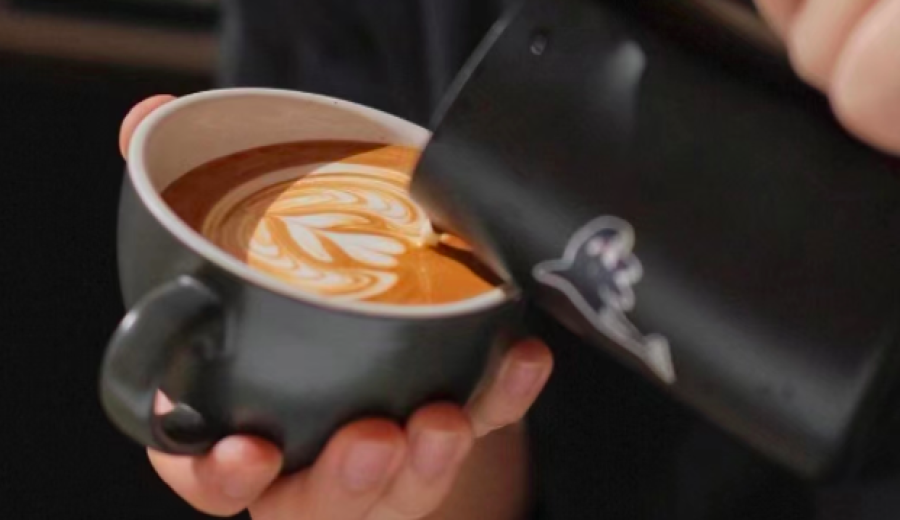
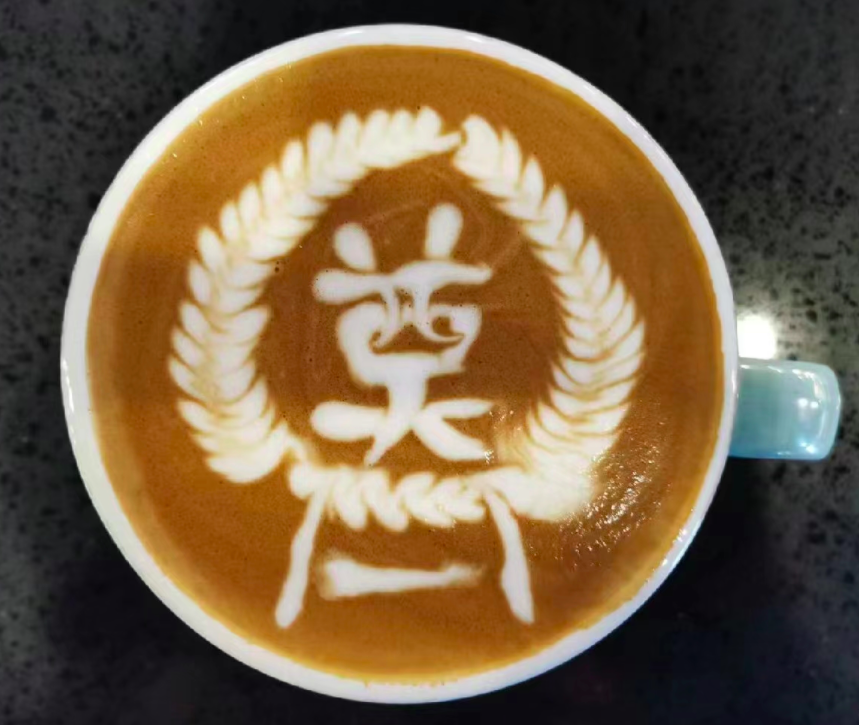
Introduction:When baristas attempt to break away from traditional latte art patterns and create unconventional designs such as memorial flower vouchers or Guangdong Province insects, they often spark heated discussions. While these works may be visually striking, they are not necessarily suitable for serving to customers. This article delves into the boundaries of latte art creativity, analyzing which designs can enhance the coffee experience and which might backfire, while also offering practical advice to help baristas balance creativity with practicality.
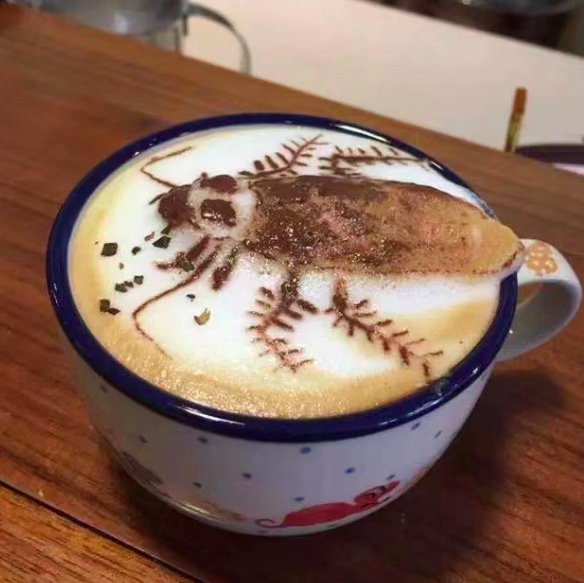
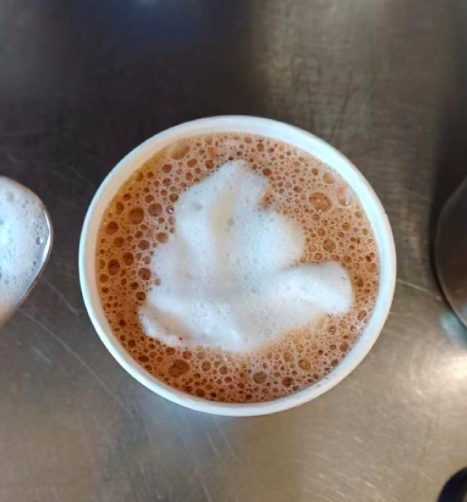
At the coffee shop counter, it’s common for baristas to make latte art for customers every day. When regulars grow tired of the same old tulips and swans and ask, “Is there anything different?”, some baristas try to push the boundaries—and the result is often a startlingly creative piece. From designs resembling memorial flower vouchers to lifelike Guangdong Province insects, even themes like Plants vs. Zombies—these creations, while novel, inevitably raise the question: are such designs really suitable for serving?
The original intent of latte art is to add aesthetic value to coffee; an exquisitely crafted design can make the entire drink more appealing. However, when creativity goes to extremes—such as featuring imagery reminiscent of funeral scenes or bizarre, hard-to-interpret creatures—it may not only affect the customer’s dining mood but could even provoke discomfort.Pattern selection must take cultural sensitivity and customer acceptance into account—a key point that every barista should keep in mind.
Some baristas, in pursuit of buzzworthy content, design highly visually impactful patterns such as the “Guangdong Province insect.” While such works might generate discussion on social media, when actually served, they may shock or confuse customers. Similarly, photorealistic Plants vs. Zombies-themed latte art, if not thoughtfully designed, can evoke unpleasant associations,impacting the overall dining experience.
Additionally, certain abstract creations—like a half-broken heart-shaped latte art—may be interpreted as artistic expression, but without considering the customer’s emotional response, they can have the opposite effect. Especially for consumers with trypophobia (fear of clusters), the details of some patterns may cause discomfort, a practical detail baristas need to consider during creation.
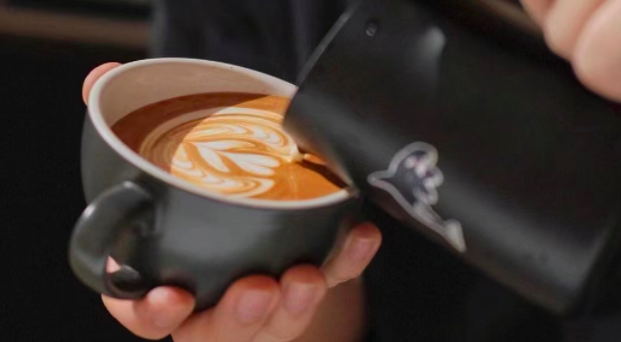
Latte art technique is originally a showcase of a barista’s professional skill—every step from handling the pitcher to controlling the milk flow affects the final presentation of the design. However, when technique is used to create overly obscure or extreme patterns, it may stray from the core purpose of latte art: enhancing the overall enjoyment of the coffee. A good latte art design shouldbalance beauty with practicality, being eye-catching without making the customer feel uneasy.
The industry generally agrees that latte art creativity should have appropriate boundaries.“Latte art can be approachable, but shouldn’t be overly dark”is a common view among many seasoned baristas. For those highly individualistic creations, it’s recommended to keep them for internal display or peer exchange rather than serving them directly. If a customer specifically requests a custom design, the barista should also assess whether the pattern might affect the customer’s dining experience.
In summary, while the creative possibilities in coffee latte art are vast, customer experience should remain the top priority. When selecting suitable patterns for serving, baristas are advised to consider cultural context, customer preferences, and the associations a design might evoke. By balancing creativity with practicality, one can showcase technical skill while ensuring every customer enjoys a wonderful coffee moment.
The above content is compiled by CoffeeHunters, a coffee news website.


