







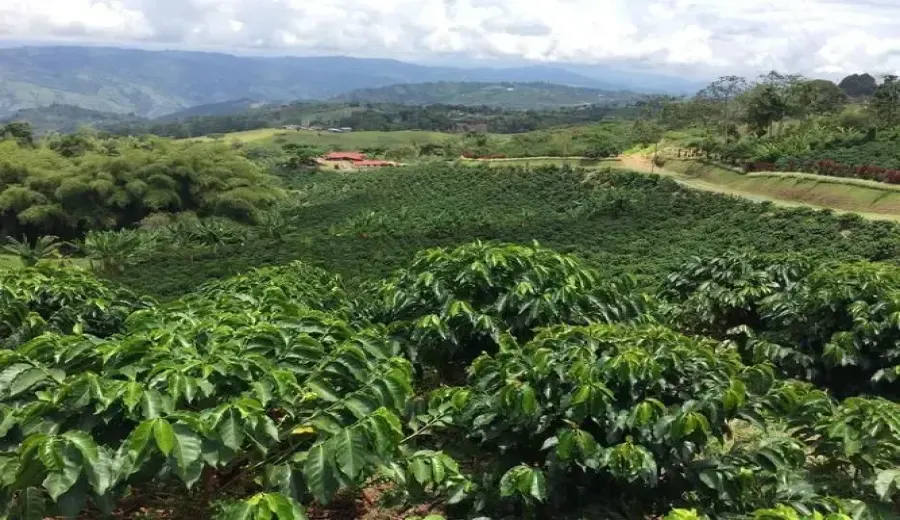
Introduction:Want to discover the hidden gems of Colombian coffee? The Santander region may not be as popular as other well-known areas, but it is the birthplace of coffee cultivation in the country, boasting a long history and unique flavors. This article takes you on a journey to the representative Casa Blanca Estate, from its traditional cultivation dating back to 1860, to its transformation into a specialty coffee producer in 2006, and finally to winning the Yara Championship in 2016. Explore the evolution and flavor profile of this estate located at an altitude of 1500 meters.
As a major coffee-producing country in South America, Colombia benefits from the geographical advantages of the Andes Mountains, nurturing a diverse range of coffees with delicate flavors. Among its many regions, although Santander Province is not as widely known as Nariño or Huila, it is actually the cradle of coffee cultivation in Colombia, with a history spanning over a century. The Casa Blanca Estate here is a classic example, transitioning from large-scale traditional farming to a specialty coffee producer, and winning the Yara Championship in 2016, showcasing its exceptional quality potential.
Colombia is not only the world’s third-largest coffee producer, after Brazil and Vietnam, but is also renowned worldwide for its stable and diverse flavor profiles. Spanning the northwest of South America, the country features complex terrain, bordering the Pacific Ocean to the west and the Caribbean Sea to the north, with landscapes that include both high mountains and plains. Dominated by the Andes mountain range, especially the high-altitude areas in the mountains, the cool climate and abundant rainfall create an ideal environment for coffee cultivation. Generally speaking, for every 100-meter increase in altitude, the acidity and aroma complexity of coffee also improve.
Coffee-growing regions in Colombia are widely distributed, and each area produces distinct coffee flavors due to differences in terrain and microclimate. In addition to commonly known regions like Huila, Cauca, and Nariño, Santander Province is also a noteworthy producing area. Located in northern Colombia, coffee here is grown at altitudes of approximately 1400 to 1700 meters. Although it accounts for less than 5% of the country’s total production, it is one of the earliest places in Colombia to start coffee cultivation. Notably, most of the varieties grown in Santander are rust-resistant, making it one of the regions in Colombia with a relatively low incidence of coffee leaf rust — crucial for maintaining stable yield and quality.
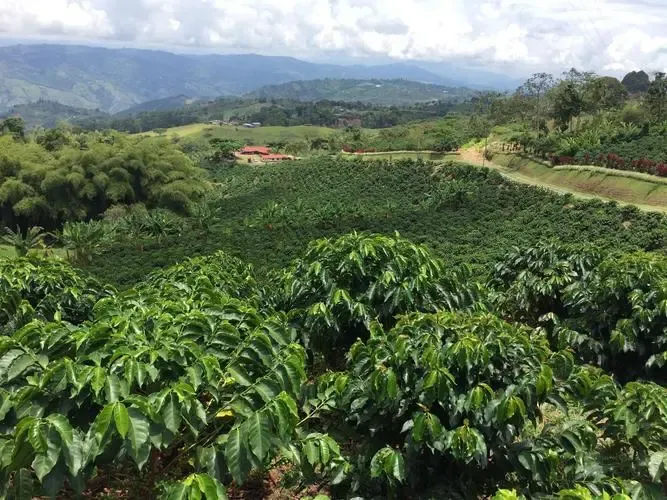
On this historically rich land, the Casa Blanca Estate spans 30 hectares and is situated at an altitude of 1500 meters. Since 1860, it has been dedicated to coffee cultivation. In its early days, the estate primarily grew commercial varieties, focusing on yield. However, starting in 2006, under the leadership of current owner Liliana Caballero Rojas and her family, the estate embarked on a transformation toward specialty coffee. They committed to planting high-quality Arabica varieties and optimizing cultivation and post-harvest processes. This reform gained international recognition in 2016 when the estate won the Colombian Yara Championship with its outstanding coffee quality, establishing its reputation in the specialty coffee industry.
Stepping into the Casa Blanca Estate, you’ll find that it’s more than just coffee fields — it’s an ecological paradise. The estate preserves around 10 hectares of primary forest and features natural streams and waterfalls, providing habitats for local flora and fauna, as well as clean, mineral-rich water for coffee post-processing. These natural resources are essential for producing high-quality coffee, especially during the washed processing stage, where water quality directly affects the purity and complexity of the final flavor.
Currently, the Casa Blanca Estate grows a variety of specialty coffee cultivars, including the highly popular Geisha, Pink Bourbon, Castillo, and Wush Wush.Geisha is known for its floral, citrus, and tea-like flavor notes, appealing to consumers who enjoy delicate taste profiles; Pink Bourbon often exhibits bright berry tones and sweetness, making it a favorite among pour over enthusiasts.. These varieties not only enhance the estate’s market competitiveness but also meet the global demand for diverse coffee flavors.
In summary, although the Santander region of Colombia may be understated, it holds a deep coffee culture and great potential. The transformation story of the Casa Blanca Estate is a prime example of the region’s pursuit of quality and sustainability. If you enjoy exploring coffee with historical background and layered flavors, keep an eye out for beans from this estate — and experience a coffee journey that evolves from tradition to specialty.
The above content is compiled by CoffeeHunters, a coffee news website.


