








Introduction:Many people think that having good coffee beans is all it takes to brew delicious coffee, but in reality, the pouring technique is the key factor that affects extraction evenness and flavor expression. Proper water flow control allows coffee grounds to release their flavors evenly, avoiding over-extraction or under-extraction. This article delves into the application timing and practical effects of using large and small water streams in pour over brewing, helping you master pouring techniques and improve coffee quality.
Many assume that as long as they choose high-quality coffee beans, they can brew great-tasting coffee no matter how they brew it—but this is actually a common misconception. In fact,the method and technique of pouring waterare the true determining factors for whether a pour over coffee is evenly extracted and whether its flavors are balanced.
Just as a chef stirs the wok continuously when stir-frying to ensure every ingredient is evenly heated and seasoned; in the world of pour over coffee,the act of pouring water is like that stirring wok—it must use varying intensities of water flow at different stages to ensure every coffee particle is properly extracted.

Pouring water in pour over brewing is by no means as simple as just pouring hot water into a filter cone. Its fundamental purpose is to allow all coffee grounds to evenly release their flavor compounds, avoiding localized over-extraction or under-extraction. This may sound simple, but it actually requirescareful adjustment of water flow intensity, pouring speed, spiral path, and water column heightamong other factors.
For example, too large a water stream can cause coffee grounds to disperse, leading to channeling effects where some grounds are over-extracted, releasing excessive bitter substances; whereas too small a stream may result in under-extracted coffee with thin flavors and overly prominent acidity. Therefore,mastering the strength and rhythm of the water flowis a basic skill every pour over enthusiast should refine.
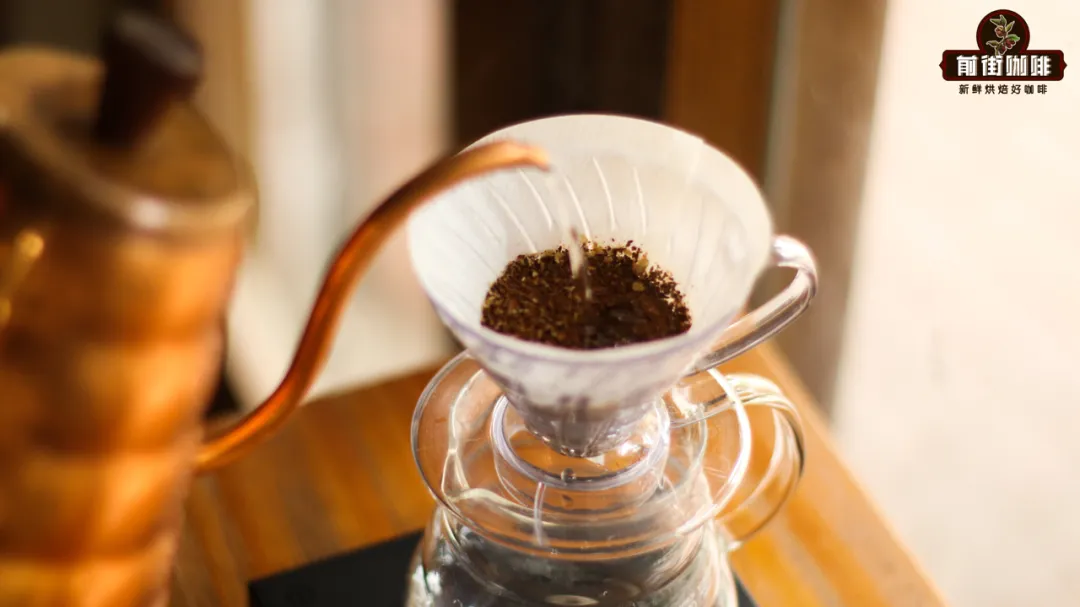
Large water streams are generally suitable for the early stage of pour over brewing, namely the first pour after the so-called “bloom.” Using a slightly stronger water stream at this point can quickly saturate the coffee bed and bring out the coffee’s aroma and top notes. But be mindful—large water streams do not mean you can roughly impact the coffee bed. Instead, you should use a stable water column at a moderate height to allow the water to evenly penetrate the entire coffee bed.
In contrast, small water streams are often used in the later stages of extraction, especially when the coffee grounds have already released most of their flavors. A delicate water stream helps steadily draw out the aftertaste and sweetness, while avoiding over-extraction caused by excessive agitation. Small water streams also help control brewing time, making the overall brewing process smoother.

Additionally, the pouring path is extremely important. A common practice is to pour in a spiral pattern “from the center outward and then back to the center,” which helps the coffee grounds expand and release compounds evenly. If you always pour in the same spot, it’s easy to create a “channel” where water only passes through part of the coffee bed, affecting the overall evenness of extraction.
Another useful tip is controlling the height of the pour. A higher water column helps increase extraction flow rate and oxygen contact, but it can also extract more impurities; a lower water column is more stable and helps finely control the extraction rhythm, though it requires more skilled hand movements to maintain evenness.

In summary, the pouring technique in pour over brewing is an art that blends science and craftsmanship. Whether you’re a beginner or an experienced coffee enthusiast, you can enhance the flavor expression of your cup of coffee byadjusting water flow intensity, stabilizing your pouring rhythm, and controlling the spiral path.
Remember, good coffee beans are the foundation, but only through the correct pouring technique can their full potential be unlocked, delivering a coffee experience that is rich in layers and balanced in flavor.

In future brews, try observing your own pouring habits and experiment with adjusting water flow strength and pouring methods. You’ll find that these subtle changes can make a significant difference in the final coffee flavor.

The above content is compiled by CoffeeHunters, a coffee news website.


