








Introduction:Many coffee enthusiasts often find that their latte art patterns don’t turn out as expected during practice—even when their technique seems solid, something always feels slightly off. In fact, the issue may very well lie in the choice of the pouring pitcher. This article delves into how the width of the spout and the design of the flow groove affect milk foam flow, compares the real-world performance of pointed and round spout pitchers, and provides detailed steps for creating a textured tulip pattern to help you choose the right tool and improve your latte art success rate.
Many coffee lovers encounter difficulties such as choppy movements or patterns that are hard to form while practicing latte art. If technical issues are ruled out, the problem is very likely rooted in the pouring pitcher being used. The market offers a wide variety of latte art pitchers, differing in capacity, spout shape, and flow groove design. These seemingly minor differences not only affect the overall appearance but also directly influence the direction of the milk foam and the thickness of the lines. Based on practical experience, this article explores in depth how the width of the spout and the design of the flow groove impact latte art outcomes, compares the practical performance of pointed and round spout pitchers, and includes a complete step-by-step guide to crafting a textured tulip pattern to help coffee enthusiasts accurately select their tools and maximize practice efficiency.
Have you ever found yourself in this situation while practicing latte art: repeatedly practicing yet always feeling an invisible resistance, unable to smoothly draw the patterns you envision? If your technique is largely solid, then it’s quite possible that the pouring pitcher you’re currently using isn’t well-matched to your coffee preparation needs.
The market offers a rich diversity of latte art pitchers, with varying capacities, spout shapes, and flow groove designs. These design differences are not just aesthetic; they significantly impact the process of drawing latte art. Therefore, for beginners, choosing a well-suited pouring pitcher is crucial. Next, we’ll take an in-depth look at the actual effects brought by different designs to help you pick the most appropriate tool, improve your practice efficiency, and master your ideal patterns sooner.
The Crucial Role of the Spout and Flow Groove
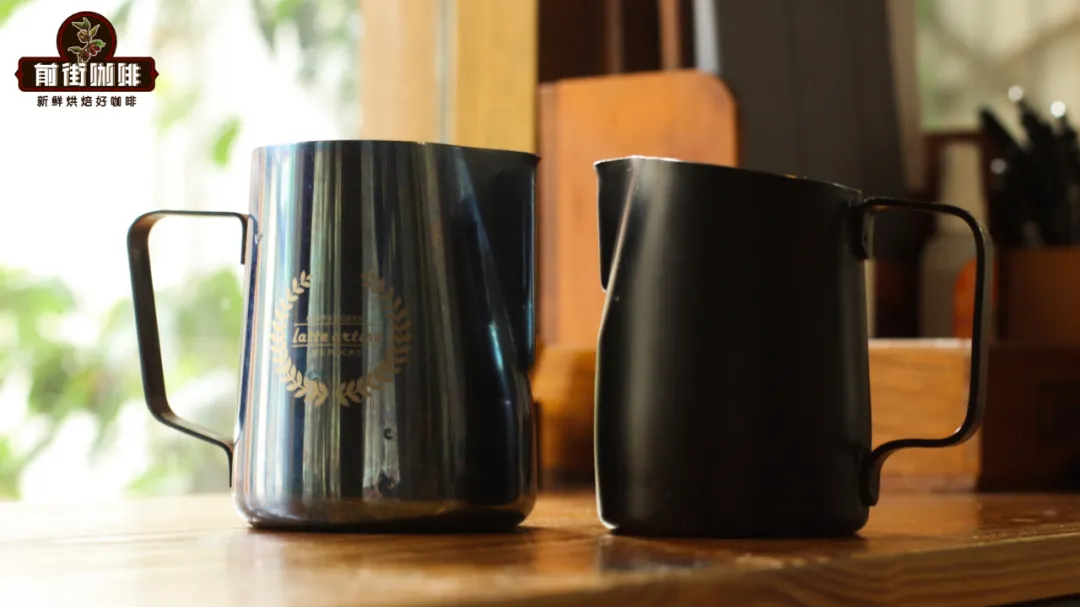
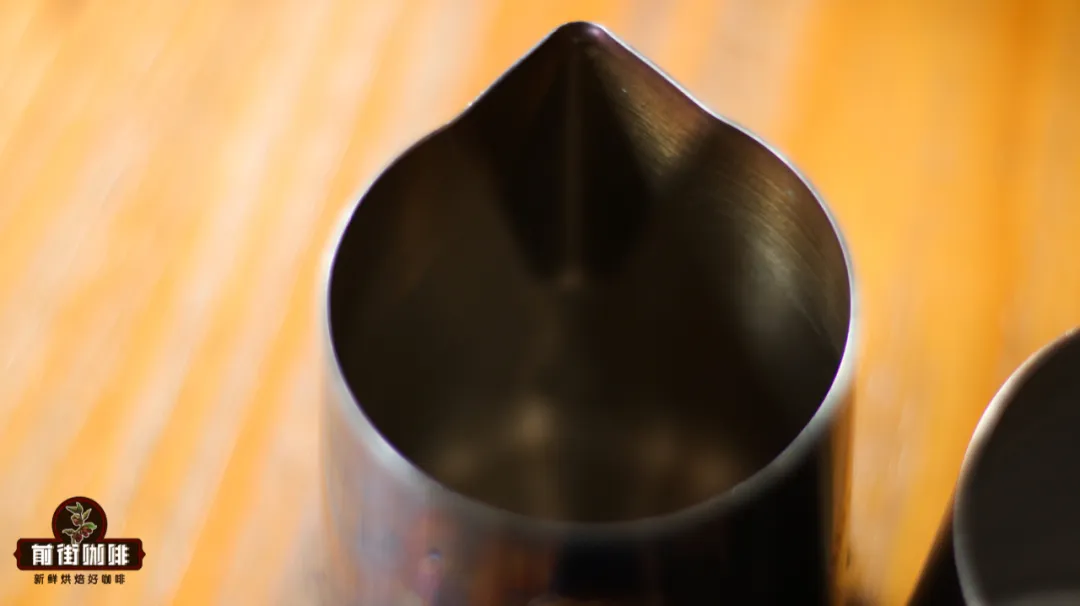
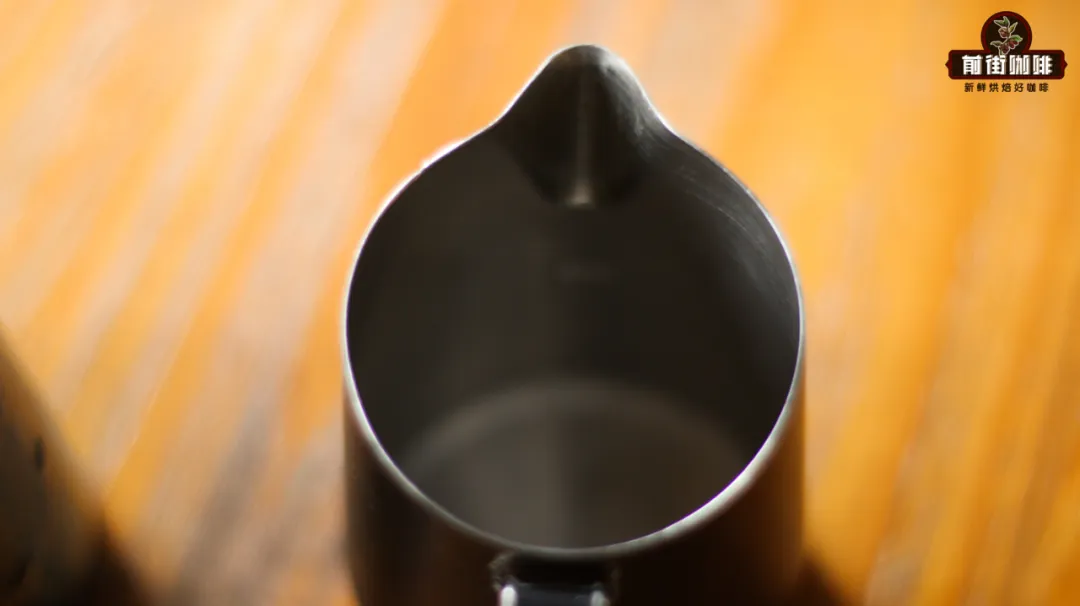
First, let’s focus on the spout design—this is the core element that affects latte art patterning. Latte art, at its essence, is about drawing white lines on the surface of coffee using steamed milk foam, and it is through the spout that the milk foam is delivered to the coffee surface. Therefore, even the slightest adjustment to the spout can alter the way milk foam flows out. Specifically,the wider the spout, the greater the volume of milk foam that flows out; the narrower the spout, the less the flow,and consequently, the thickness of the resulting white lines will also change (of course, manual control techniques also play an important role).
The above content is compiled by CoffeeHunters, a coffee news website.


