







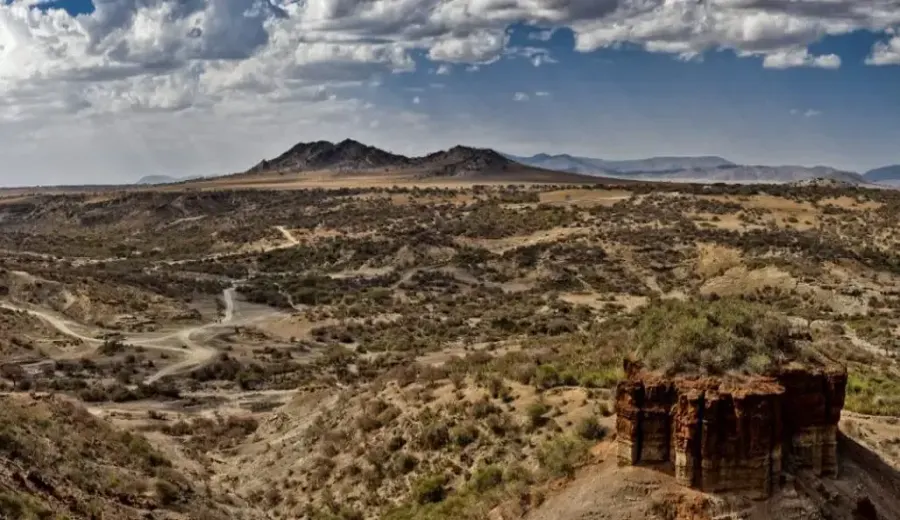
Introduction:Aside from the well-known Kilimanjaro region, southern Tanzania’s Mbeya is emerging as a rising star in the specialty coffee scene. This article takes an in-depth look at Mbeya’s geographical conditions, farming environment, and cooperative operation models, helping you understand how this high-altitude area nourished by Lake Malawi cultivates uniquely flavored coffee beans — and offers practical tasting insights.
Africa is not only the birthplace of coffee but continues to nurture many countries that produce exceptional-quality beans. As a key coffee-growing region in East Africa, Tanzania has secured its place in the global specialty market thanks to its unique geography and cooperative farming model. Beyond the widely recognized Kilimanjaro region, Mbeya in the south is gaining attention and demonstrating potential that cannot be overlooked.
Located in East Africa, south of the equator, Tanzania consists of the mainland portion of Tanganyika and the island portion of Zanzibar, sharing borders with several neighboring countries. Its geographic location and diverse terrain provide varied microclimates ideal for coffee cultivation. Coffee was first introduced from Ethiopia in the 16th century and became one of the country’s important cash crops during the German colonial period in the 19th century.
The national terrain is higher in the northwest and lower in the southeast, with coastal lowlands in the east and plateaus dominating the west, covering more than half of the country’s land area. The renowned East African Rift Valley extends eastward and westward from Lake Malawi through Tanzania, and the country is also home to Mount Kilimanjaro, the highest peak in Africa at 5,895 meters above sea level.
Due to its proximity to the equator, Tanzania has a predominantly tropical climate. The eastern coastal areas and some lowlands feature a tropical savanna climate, while the western plateaus have a tropical highland climate, with average annual temperatures ranging between 21°C and 26°C. Although most regions receive relatively low annual rainfall — with 80% getting less than 1,000 mm — the country is abundant in rivers and lakes, providing relatively ample water resources that support agricultural irrigation.
Coffee cultivation in Tanzania is mainly distributed across nine regions, among which Kilimanjaro, Arusha, Ruvuma, Mbeya, Tanga, and Kigoma are the most prominent. Around 450,000 smallholder farmers are engaged in coffee production nationwide, accounting for 90% of total output, with the rest coming from slightly larger estates. Due to the fragmented nature of production units, cooperatives have become the primary organizational form, with the first coffee cooperative — the Kilimanjaro Native Planters' Association (KNRA) — established as early as 1925.
Among these regions, Kilimanjaro is undoubtedly the most famous. Africa’s highest peak is made up of three dormant volcanoes: Kibo, Mawenzi, and Shira, with coffee-growing areas primarily located between 1,050 and 2,500 meters above sea level. This region benefits from high altitude, fertile volcanic soil, and clean water from melting mountain snow, creating an exceptionally suitable environment for coffee cultivation.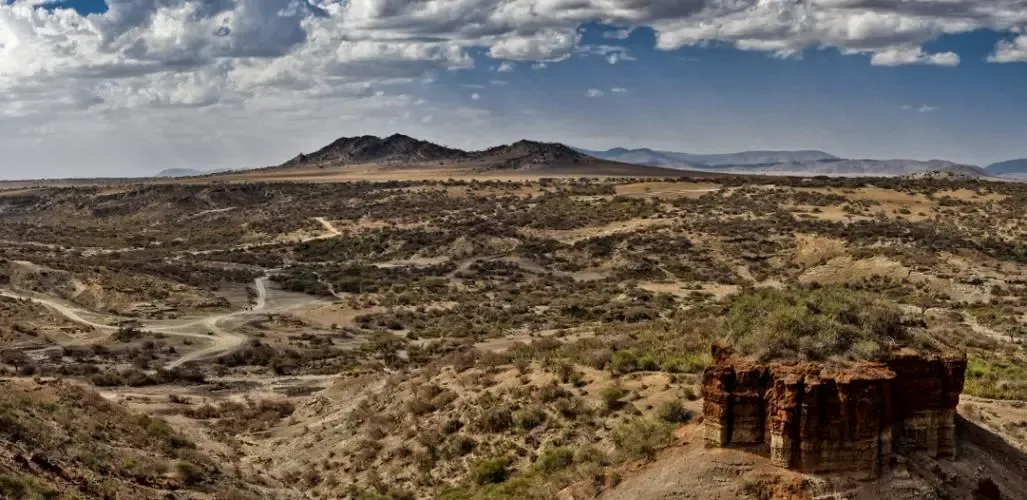 The Tanzanian Kilimanjaro Washed Typica produced in this region features a mild acidity and exhibits layered aromas of citrus, berries, honey, and nuts. Its tea-like, refreshing mouthfeel and overall balanced profile make it an excellent entry point for exploring East African coffees.
However, Tanzania’s specialty coffee is not limited to the northern regions. The southern Mbeya region is gradually making its mark. Close to Lake Malawi (Africa’s third-largest lake) and surrounded by mountains on three sides except the south, coffee is mainly grown on slopes at around 1,600 meters above sea level. The soil here is particularly fertile due to the nourishment of the lake, and the stable microclimate provides favorable natural conditions for coffee growth.
The production model led by the local Nsekewe Cooperative is noteworthy. It is one of the few organizations in the Mbeya region with female board members and places a strong emphasis on sustainable environmental management and quality control. These factors collectively contribute to the region’s outstanding coffee quality. For coffee enthusiasts seeking new flavor experiences from emerging regions, Mbeya’s offerings not only showcase the potential of southern Tanzania but also provide a taste exploration distinct from the north.
The above content is compiled by CoffeeHunters, a coffee news website.


