








Introduction:Have you ever encountered the situation where you carefully selected highly-rated coffee beans, only to end up with a brew that is either monotonously sour or bitter, lacking any layers of flavor? In fact, this may not be an issue with your taste buds, but rather closely related to extraction concentration and taste perception. This article delves into the key factors that influence how coffee flavors are presented, especially how overly high concentration can interfere with taste judgment, and provides practical adjustment suggestions to help you comprehensively optimize everything from pour over parameters to sensory experience.
Many coffee enthusiasts often encounter a puzzling issue during brewing: despite purchasing coffee beans labeled with enticing flavors such as rich fruitiness, caramel, and floral notes, what they end up with is a beverage that tastes overwhelmingly bitter or sour, with little discernible layering even upon careful sipping. Is this because their taste sensitivity is lacking, or is something going wrong in the brewing process? In reality, the clear expression of coffee flavors is influenced by many variables, and “excessively high concentration” is one of the most commonly overlooked yet crucial factors.
When the dissolved solids in coffee liquor become too dense, the expressive space for flavor molecules is compressed—much like applying too much paint on a canvas, resulting in blurred details. In such cases, even if the coffee itself possesses a variety of aromas and tastes, they become difficult to discern clearly. This article will guide you through several common factors that affect the presentation of coffee flavors, helping you identify potential issues in the brewing process, further adjust and improve, and whether you’re a beginner or an experienced coffee enthusiast, you’ll gain useful insights.
First, let’s take a look at the most common and also the most easily overlooked issue—excessive concentration. Many people, in their pursuit of a richer mouthfeel, unconsciously increase the ratio of coffee grounds to water, known as the “brew ratio.” When the brew ratio becomes unbalanced—using less hot water to extract more coffee grounds—you may indeed end up with a more concentrated cup of coffee, but at the same time, the various flavor compounds in the coffee become overly concentrated, which is counterproductive to the expression of subtle flavors.
Generally speaking, the recommended pour over brew ratio falls between 1:15 and 1:18, a range that strikes a balance between intensity and clarity of flavor. However, if you adjust the ratio to 1:12 or even lower in pursuit of a thicker taste, it’s easy for the coffee flavors to become muddy, with the layers of acidity, sweetness, and bitterness no longer distinct,and you might even find your tongue only perceiving a single intense stimulus, while missing out on the delicate fruitiness, floral notes, or caramel aftertaste.

When we deliberately increase coffee concentration for the sake of mouthfeel, we’re actually altering the interaction balance between water and coffee grounds during extraction. To achieve higher concentration, it’s usually necessary to reduce the amount of water poured, which in turn compresses the space for soluble substances in the coffee to be released, causing flavor molecules to interfere with each other and making it hard for them to be clearly distinguished in the mouth. It’s akin to putting too much sugar in a cup of water—even if all the flavors are present, their excessive saturation leads to a loss of identifiability.

Additionally, overly concentrated coffee can also lead to a dulling of taste perception. When our taste buds receive overly strong stimuli—such as excessive bitterness or acidity—they temporarily become less sensitive to other subtle flavors. Under these circumstances, even if the coffee itself boasts a diverse range of aromatic characteristics, they may go unnoticed due to a momentary ‘shutdown’ of taste perception. Therefore, when adjusting brewing parameters, it’s important to consider not just concentration, but also the overall balance and layering of flavors.

Beyond the factor of concentration, the state of your taste perception itself is also a crucial element influencing flavor experience. Our sense of taste works closely with our sense of smell to fully appreciate the complexity of a cup of coffee. If you’re feeling fatigued, have a cold, or have just eaten strongly flavored food, all of these can temporarily affect your ability to capture the nuanced flavors of coffee. Therefore, it’s recommended to keep your mouth fresh before tasting coffee, avoid foods with overpowering flavors, and choose a time when you’re in a better mental state for evaluation—this will help you capture flavor characteristics more accurately.
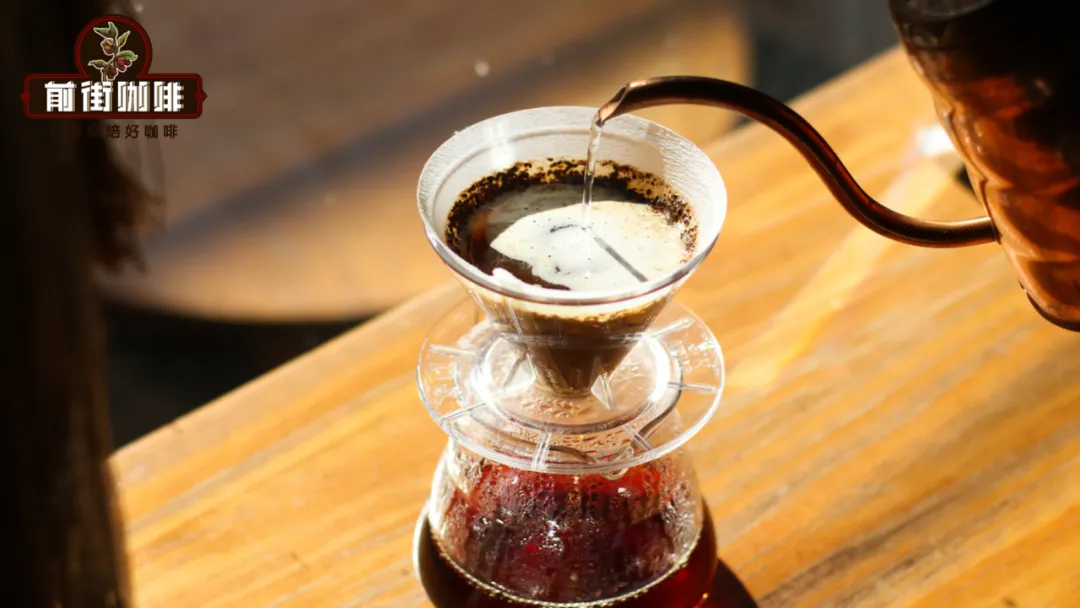
Finally, if you want to more precisely grasp the coffee flavor profile you enjoy, it’s recommended to start by adjusting the brew ratio, gradually experimenting with the extraction results of different ratios, and recording the brewing parameters and taste changes each time, in order to find your personal golden ratio. You can also try using different brewing devices—such as a French press, AeroPress, or siphon—to observe how the same coffee beans perform under different setups, further understanding how concentration, grind size, and extraction time collectively influence the final flavor presentation.

The above content is compiled by CoffeeHunters, a coffee news website.


