








Introduction:In the brewing process of specialty coffee, the coffee-to-water ratio and the coffee-to-extract ratio are two key parameters that influence flavor expression. Many coffee enthusiasts often confuse the two, but in reality, their calculation logic and application scenarios differ significantly. This article will delve into the definitional differences between the two, helping you understand how coffee grounds' water absorption rate affects the final yield of brewed coffee. We’ll also provide practical conversion formulas and brewing suggestions to help you adjust parameters more precisely and brew coffee with your desired flavor profile.
In the world of specialty coffee extraction,the coffee-to-water ratioandthe coffee-to-extract ratioare two extremely important core concepts. Although many people think they are just different names for the same thing, they actually differ significantly in calculation method, practical application, and impact on the final coffee flavor. This article will start with basic definitions, detail the meaning and practical advantages of the coffee-to-water ratio, further explore the characteristics of the coffee-to-extract ratio, and explain why the two cannot be directly equated. At the same time, we’ll also combine the water absorption characteristics of coffee grounds to provide a practical conversion method, giving you more direction when adjusting brewing recipes and enabling you to more consistently reproduce ideal coffee flavors.

First, let’s clarify the mathematical concept of “ratio.” A ratio (Proportion) is a term used to describe the relative relationship between two quantities. In coffee brewing, the coffee-to-water ratio refers to the weight of coffee grounds used for extraction compared to the volume of water actually poured for extraction. For example, the common 1:15 coffee-to-water ratio means that for every 1 gram of coffee grounds, 15 milliliters of water is used for extraction. This ratio setting is widely applied in most coffee preparation methods such as pour over and drip brewing, as it helps brewers more precisely control extraction variables, thereby influencing coffee concentration and flavor expression.
In contrast,the coffee-to-extract ratiorefers to the ratio between the coffee grounds and the final volume of coffee liquid obtained. For example, a 1:12 coffee-to-extract ratio means that for every 1 gram of coffee grounds, 12 milliliters of coffee liquid is ultimately extracted. At first glance, the coffee-to-extract ratio may seem very similar to the coffee-to-water ratio, but in fact, their calculation bases and units are not the same, so they cannot be directly interchanged. Understanding this difference is crucial for brewers who want to precisely control coffee concentration and flavor release.
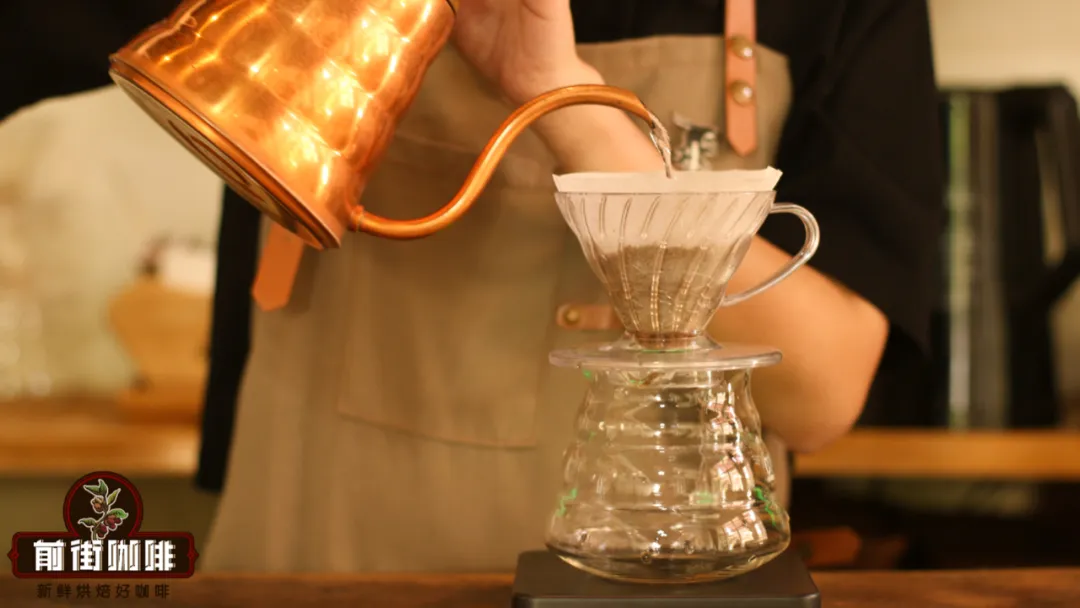
To illustrate the difference between the two more clearly, let’s look at a practical example. Suppose you use 225 milliliters of hot water to brew coffee, but the final amount of coffee liquid collected in the server won’t be exactly 225 milliliters. This is because during the extraction process, coffee grounds absorb and retain some of the water, resulting in less coffee liquid dripping out than the amount of hot water poured in. Generally speaking, coffee grounds absorb roughly twice their own weight in water, and this characteristic is the key basis for converting between coffee-to-water and coffee-to-extract ratios.
For example, if you use 15 grams of coffee grounds and brew with 225 milliliters of hot water, these 15 grams of coffee grounds will absorb approximately 30 milliliters of water (i.e., 15 grams × 2). Therefore, the actual amount of coffee liquid that drips into the server is about 225 milliliters minus 30 milliliters, roughly 195 milliliters. It’s important to note here that the word “approximately” is crucial, because different origins and roast levels of coffee beans may have slightly varying water absorption rates, but they usually fall between one and a half to two times their own weight, so this calculation method can serve as a practical reference benchmark.
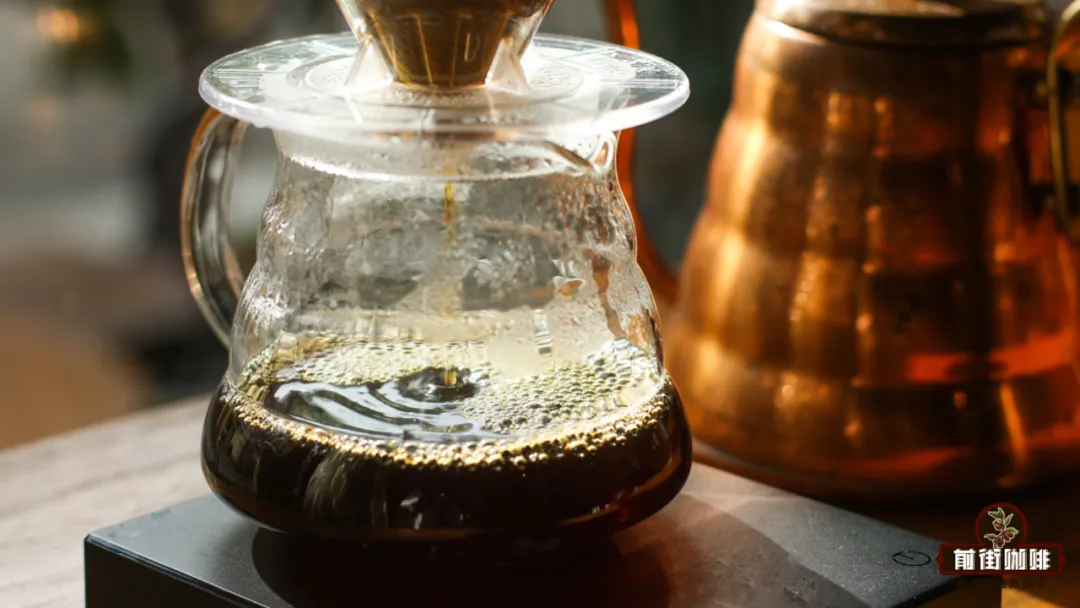
Once you understand the differences between the coffee-to-water ratio and the coffee-to-extract ratio, as well as the impact of coffee grounds' water absorption rate, you can adjust brewing parameters more scientifically. Whether you’re aiming for a rich and bold cup or a bright and clean flavor, you can fine-tune these ratios to find the brewing recipe that best suits your taste. Additionally, in practice, it’s recommended to use a precise electronic scale to measure the weight of coffee grounds and water, and to record the parameters and flavor outcomes of each brew. Gradually building your own brewing database will help you more quickly replicate your desired coffee flavor profiles in the future.
The above content is compiled by CoffeeHunters, a coffee news website.


