








Introduction:Caffè Corretto is a classic Italian liqueur coffee originating from Italy, combining espresso with spirits to deliver a unique flavor profile. This article will take you deep into its historical background, regional variations across Italy, and provide a practical low-budget DIY demonstration, allowing you to easily enjoy this authentic Italian specialty at home.
Caffè Corretto is a traditional Italian coffee beverage that is quite common in Italy but relatively unknown abroad. Its most distinctive feature lies in pairing a freshly extracted shot of espresso with a small cup of spirits, which the customer can mix according to personal preference. This drinking method originated in the 1930s when the price of coffee in Italy rose due to policies and tariffs, prompting many to seek more economical alternatives, leading to the development of the spirits-infused coffee style.
The name “Corretto” in Italian means “corrected” or “amended,” which translates into English as “corrected coffee.” In Chinese, it is commonly referred to phonetically as “卡瑞託咖啡” (Kǎruìtuō kāfēi). This name reflects the background of its creation—adding spirits to “improve” subpar substitute coffees that were a result of supply shortages, such as beverages made by roasting grains to mimic the flavor of coffee.

To understand this beverage, we can start with the evolution of Italian coffee culture. The history of coffee in Italy dates back to the 17th century, but it didn’t become widely popular until the late 19th century, eventually establishing itself as a mass-consumed drink. In the 1930s, with the invention and promotion of the Italian espresso machine, what we now recognize as espresso officially entered the daily lives of Italians. It was also heavily promoted by the then fascist regime, encouraging the working class to boost their energy and work ethic with coffee.
However, as Mussolini’s government faced international sanctions, coffee imports were restricted, leading to soaring prices. Many people began seeking cheaper alternatives, such as roasting grains until charred black, grinding them, and brewing the result. While these could mimic a strong flavor, they were bitter and hard to drink. To make these substitutes more palatable, people started adding spirits, a modification referred to as “Corretto,” meaning “correcting the taste.” Over time, this combination of coffee and spirits gradually evolved into the formalized “Caffè Corretto” and became part of the Italian coffee menu.
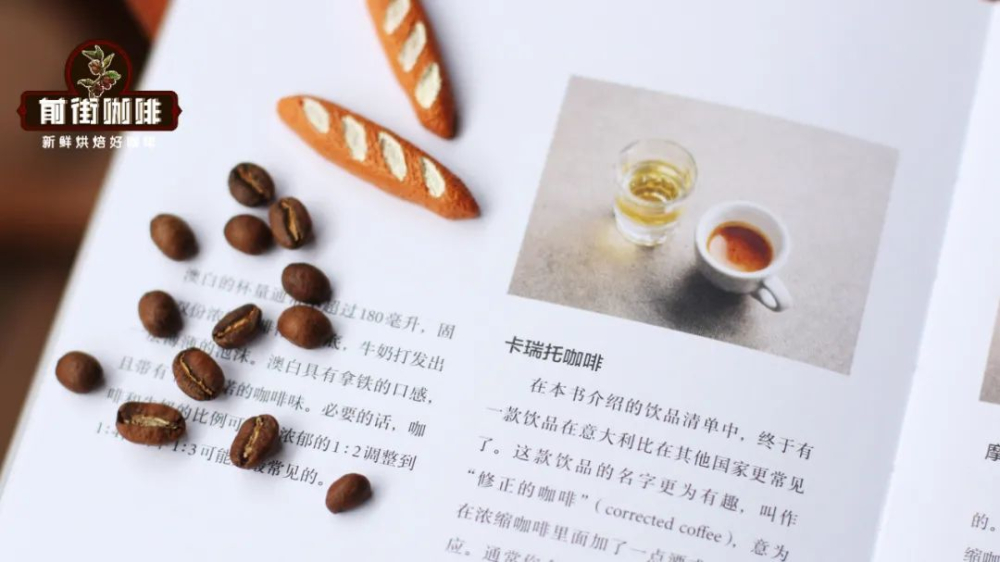
So, what exactly is Caffè Corretto? Simply put, it is an espresso served with a shot of spirits, but not by pouring the liquor directly into the coffee. Instead, a small glass of spirits is served alongside the coffee, allowing the customer to mix it according to their taste. This approach is very common locally in Italy, but once you step outside of Italy, such a presentation is rarely seen.
Across different regions in Italy, the way Caffè Corretto is consumed and the spirits paired with it also vary. In the north, using national spirits like Grappa or brandy alongside espresso is a common choice for farmers and workers to warm up in the morning. Meanwhile, in central and southern Italy, it is more commonly enjoyed after meals, often paired with anise-flavored liqueurs like Sambuca, which aids digestion and adds a spicy aftertaste.
Interestingly, the serving style of Caffè Corretto is also quite unique: baristas typically serve a freshly brewed shot of espresso along with a small glass of spirits (usually a shot glass), leaving it up to the customer to decide how to mix them. Sometimes, customers can even choose different types of spirits based on their preferences. However, not all establishments follow the same method—some will directly drip a few drops of spirits into the espresso and serve it with sugar and a small spoon. There are even places that boldly place a whole bottle of spirits on the table for the customer to add as they like, showcasing distinct local characteristics.
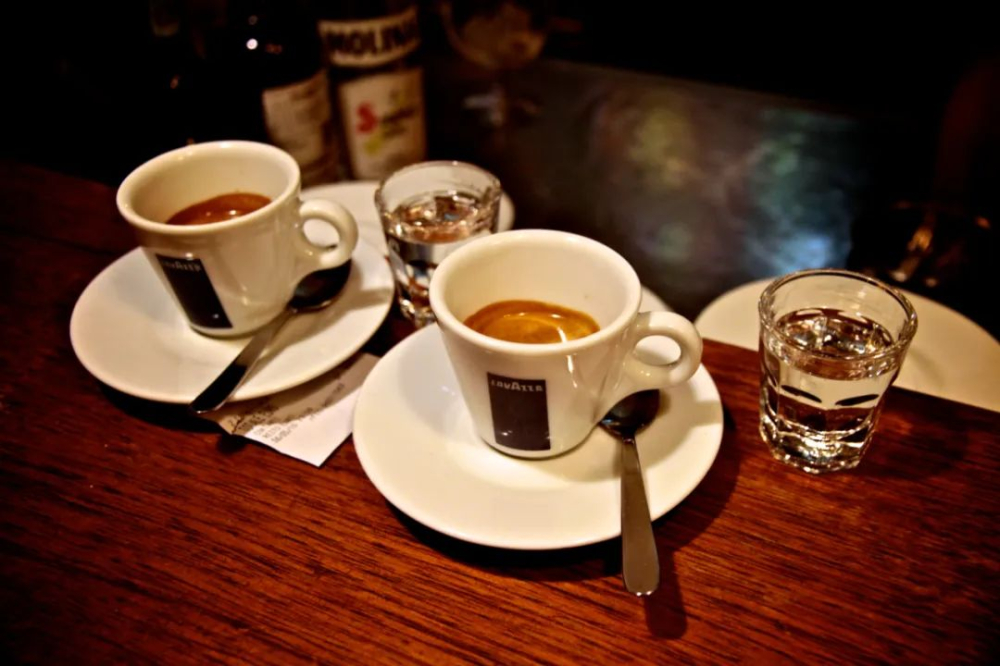
Generally, Italians are accustomed to enjoying Caffè Corretto after meals, believing it not only helps to refresh but also aids digestion. A common method is to first stir a small amount of sugar into the coffee, and when the coffee is nearly finished, pour in the spirits and gently shake, then finish the drink in one go. Whether consumed separately or with the spirits added to the coffee, the ratio and method can be adjusted according to individual preference.
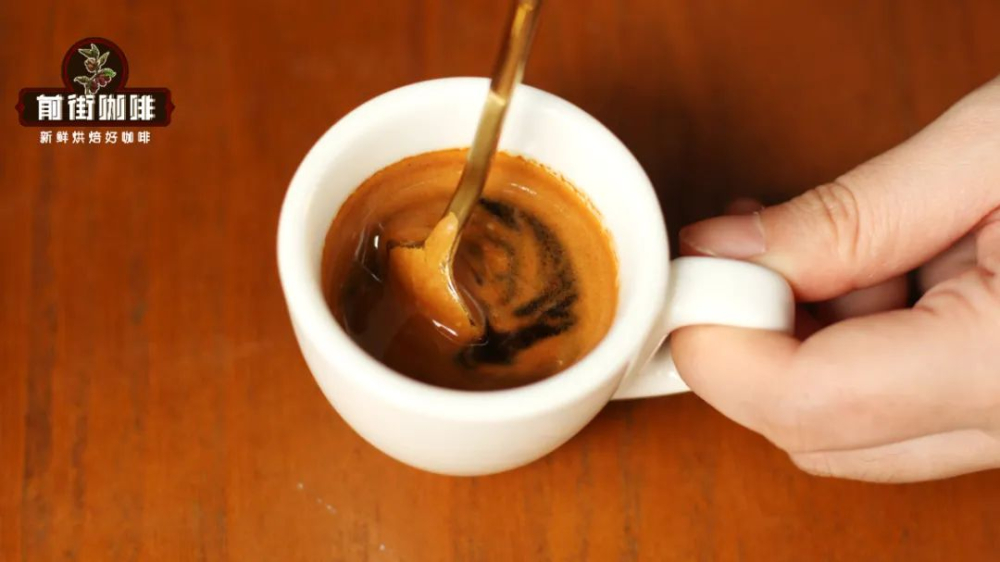
To get closer to this beverage experience, we also tried recreating a “budget version” of Caffè Corretto at home. We selected a regular sunflower-flavored espresso and paired it with a white wine that has relatively high sweetness and low alcohol content. First, we added a bit of sugar to the espresso, resulting in a rich, slightly bitter taste with light sweetness and fermented aromas. Halfway through drinking, we added the liqueur, gently mixed it, and the overall texture of the coffee became smoother, the sweetness more pronounced, the bitterness effectively neutralized, and the overall flavor more palatable. Compared to drinking espresso alone, adding the wine indeed made it much easier to enjoy.
Finally, we also prepared a “minor-friendly version” of Caffè Corretto, combining “Italian espresso + pineapple beer.” As for the taste—well, we’ll leave that for our readers to experience firsthand.
The above content is compiled by CoffeeHunters, a coffee news website.


