







Introduction:As final exam season approaches, campus coffee shops experience a surge in orders, with chain brands like Luckin seeing their outlets overwhelmed by student purchases. However, one campus Luckin store has temporarily closed for rest due to staff being overworked for an extended period. This article delves into the reasons behind the campus coffee order boom, analyzes the challenges of staff scheduling, and offers practical insights to help readers understand the real operational challenges faced by coffee shops.
As the end of June nears, universities across the country gradually enter final exam season. Students often pull all-nighters to study, leading to a sharp rise in demand for energy-boosting beverages. Coffee has become a "life-sustaining elixir" for many students, and campus coffee shops—especially cost-effective chains like Luckin and Cotti—have instantly become popular "energy recharge stations."
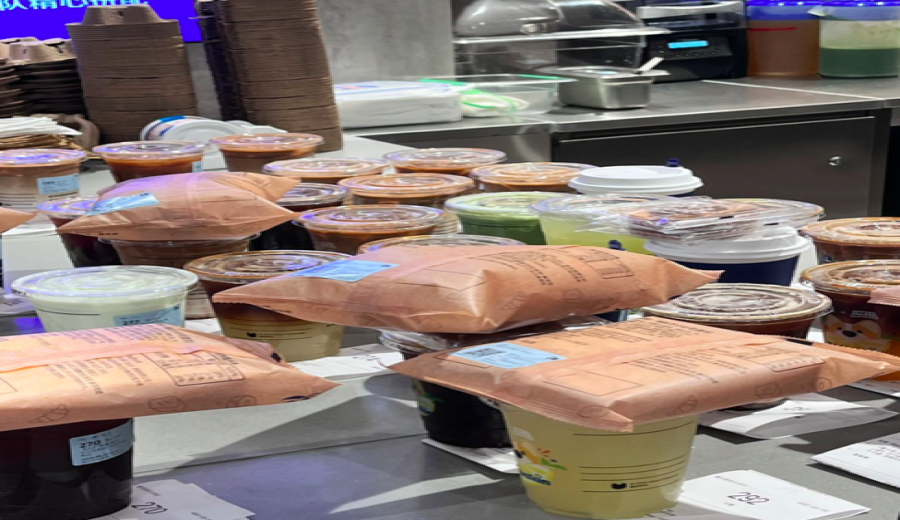
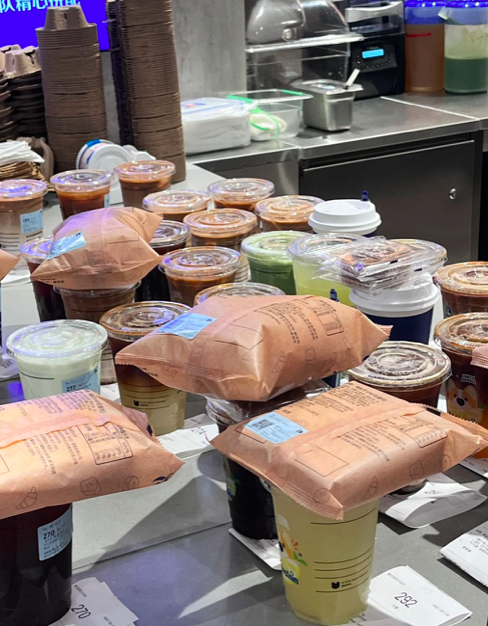
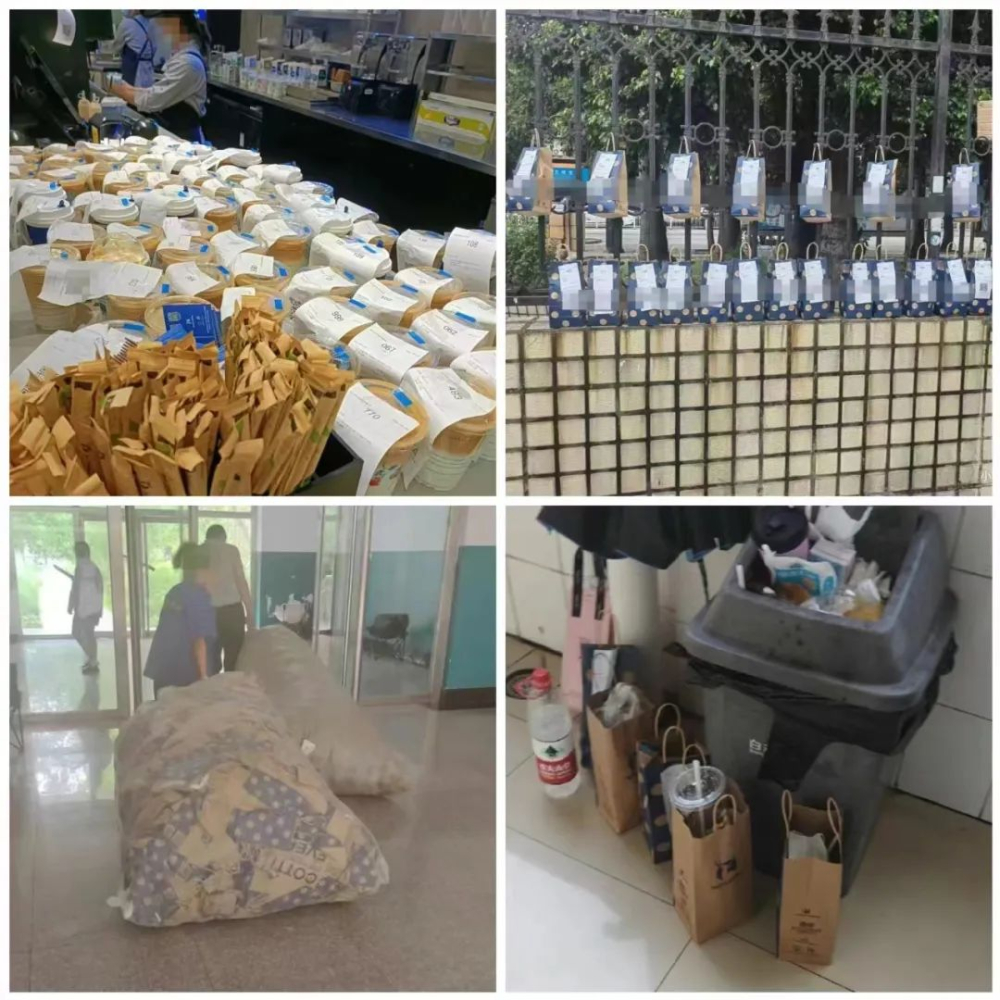
During exam weeks, order volumes at these campus outlets often multiply several times over. What normally takes just a few minutes to prepare can now take nearly an hour. The pick-up areas are often piled high with prepared drinks, and students, in an effort to save time, even start searching for their own orders among the many drinks lined up at the counter.
Observations on-site reveal an astonishing number of coffee cups left behind by students in places like classrooms and libraries. Cleaning staff report that trash bins during exam weeks are often filled to the brim with packaging from brands like Luckin, underscoring just how popular these outlets have become. Yet, this boom in orders presents a major challenge for the staff.
Surprisingly, some students have reported that a Luckin outlet near their university was completely empty during lunchtime, with the pick-up window blocked and a sign indicating temporary closure. It turns out that after two months of intense work, the staff could no longer handle the further surge in orders during exam week and had to temporarily shut down the store to give employees much-needed rest.
It is understood that this particular Luckin outlet only has two full-time staff members. Although there are usually student part-timers helping out, most of them focus on studying and preparing for exams during exam week, leading to a severe staffing shortage. Despite the continuously soaring order volume, the outlet did not hire additional staff temporarily but instead opted to close the store briefly to regain operational rhythm.
Not just Luckin—Milk Tea shop Guming in the same campus also temporarily closed for similar reasons, giving staff time to restock materials and readjust. This shows that even non-coffee beverage shops face supply chain and staffing bottlenecks during final exam season.
In fact, this situation is not isolated. Many Luckin outlets on campus are already favored by students due to their affordability, maintaining consistently high order volumes. Some outlets even face issues where the ice machine runs out of ice by the morning due to excessive cold drink demand, leaving only hot drink options available in the afternoon, which affects customer experience. It is reported that some outlets later alleviated this issue by replacing or adding new ice-making equipment.
Public reaction to the phenomenon of stores temporarily closing due to the pressure of order surges is mixed. Most people express understanding, believing that students' need for caffeine does indeed spike dramatically during exam season, and that staff who have been working under high pressure for a long time deserve proper rest. However, some observers point out that store management should proactively assess order fluctuations during final exam season, appropriately allocate more manpower, improve overall service efficiency, reduce customer wait times, and alleviate staff pressure.
For students, the final stage often sees them drinking coffee like water, consuming multiple cups of black coffee or lattes daily to stay alert, which further intensifies the order pressure on campus coffee shops. Striking a balance between meeting student needs and ensuring staff welfare will be a major challenge in operating campus coffee businesses.
In summary, the campus coffee order boom not only reflects the real needs of students preparing for exams but also exposes challenges in staff scheduling, equipment configuration, and operational flexibility for outlets. In the future, how to provide stable service during peak periods while taking care of staff health will be a long-term issue that both brands and campus outlets must jointly address.
The above content is compiled by CoffeeHunters, a coffee news website.


