







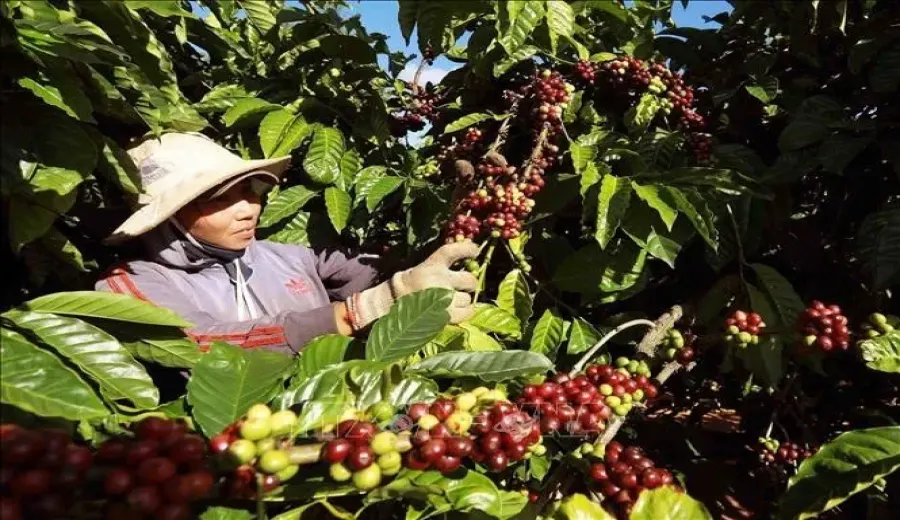
Introduction:In the first half of 2024, Vietnam’s coffee export revenue reached $3.22 billion. Although export volumes declined, rising prices supported overall performance. However, Vietnam’s largest coffee company, Vinacafe, reported cumulative losses exceeding 1.09 trillion Vietnamese dong. This article delves into both the impressive export figures and the industry’s challenges in Vietnam, analyzing everything from corporate financials to factors like climate and international dynamics, to give you a comprehensive view of the current state and obstacles facing Vietnam’s coffee industry.
In the first half of 2024, Vietnam’s total agricultural, forestry, and aquatic product exports amounted to approximately $29.2 billion, marking an impressive year-on-year growth rate of 19%. Among these, coffee stood out with export revenue of $3.22 billion. Despite a 10.5% drop in export volume, the average export price surged by 50.4%, driving a 34.6% year-on-year increase in export value. Nevertheless, against this generally positive trend, Vietnam’s largest coffee enterprise—Vinacafe—is grappling with financial losses. Even though it achieved its first profit in 2023, with total accumulated losses still exceeding 1.09 trillion Vietnamese dong (approximately 311 million RMB or 42 million USD).
According to the latest data from Vietnam’s Ministry of Agriculture and Rural Development, in the first six months of 2024, the country’s total agricultural, forestry, and aquatic product exports were about $29.2 billion, up 19% compared to the same period last year. Seven categories exceeded $1 billion in export value, including coffee, rubber, rice, fruits and vegetables, cashews, shrimp, and wood products, showcasing the competitiveness of Vietnamese agricultural goods in the global market.
Focusing on the coffee industry, although Vietnam’s coffee export volume dropped to 902,000 tons in the first half of 2024—a decrease of 10.5%—the average export price rose sharply by 50.4%, pushing the export value to $3.22 billion, a year-on-year increase of 34.6%. This surge was primarily driven by rising global coffee prices, especially strong demand for Robusta coffee, which boosted overall export performance.
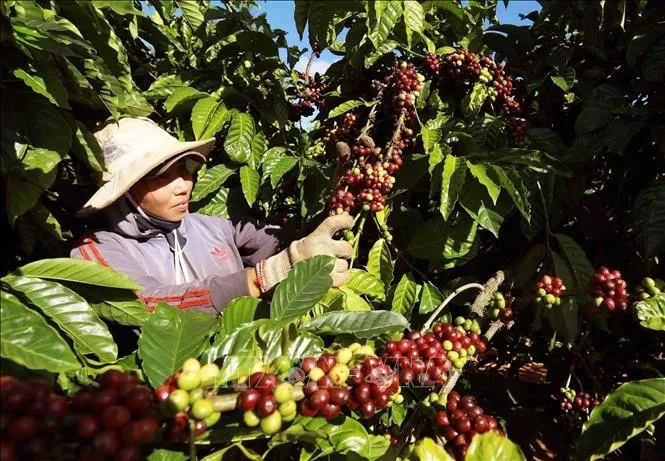
However, the financial situation of Vietnam’s well-known coffee company, Vinacafe, has been less than satisfactory. According to its published financial statements, although the company achieved its first profit in 2023 with revenue of 2.1 trillion Vietnamese dong, an annual increase of 18%, its main sources of income included coffee, rice, and rubber—with coffee being the largest contributor. Even so, the profit was far from enough to offset the company’s long-term accumulated losses, which had already exceeded 1.09 trillion Vietnamese dong by the end of 2023.
Established in 1995, Vinacafe is considered Vietnam’s national coffee corporation and one of the largest coffee enterprises in the country. The company owns 65 subsidiaries and operates 50 coffee farming areas nationwide, with business scope covering planting, processing, transportation, and import-export trade. It is understood that Vinacafe produces about 20% to 25% of Vietnam’s total annual coffee output, making it a key pillar of the country’s coffee industry.
In 2023, the total planting area of Vinacafe’s crops expanded by 9% to approximately 12,458 hectares, and production also slightly increased to over 29,600 tons. However, despite the rise in output, the company did not sign any new export contracts in 2023, instead focusing on fulfilling deliveries under previous years’ contracts, which somewhat limited its revenue growth.
Vinacafe openly admits that it is currently facing multiple economic challenges. The primary issue is the aging of coffee plantations, with many coffee trees having been in operation for over 25 years. This aging directly leads to declining productivity and reduced coffee quality. In addition, severe weather conditions in 2023 and 2024, such as extreme rainfall and drought, have further increased production costs. At the same time, the prices of raw materials such as fertilizers and gasoline have continued to rise due to international geopolitical factors, posing a challenge faced by many Vietnamese traders.
On the international market front, high Robusta coffee prices, coupled with the ongoing Red Sea crisis affecting shipping, have led many overseas buyers to reduce their purchases of Vietnamese Robusta beans. Earlier this year, Vietnam also experienced its most severe drought in nearly a decade, dealing a heavy blow to the coffee industry with noticeable reductions in yield and pessimistic expectations for the next harvest season domestically. The Ministry of Agriculture and Rural Development stated that domestic coffee inventories are now almost depleted.
Faced with these challenges, Vinacafe is calling on the government to take swift measures to address climate issues in order to safeguard coffee yield and quality. However, one of the government’s current priority plans is to invest in port construction. In Vietnam’s southern province of Ba Ria-Vung Tau, a large-scale port project with an investment of 50.82 trillion Vietnamese dong and covering an area of 50 hectares has been planned. The first phase of the project is scheduled to start in 2024 and is expected to be completed by 2030, featuring two berths capable of accommodating 250,000-ton vessels. The aim is to establish an international logistics hub and transshipment port, further boosting the development of various industries in Vietnam, including coffee.
The above content is compiled by CoffeeHunters, a coffee news website.


