







Introduction:Have you ever seen the label "100% Arabica coffee beans" at a chain coffee shop? This phrase is often used as a symbol of high quality, but do you know what it really means? This article takes an in-depth look at the differences between the two major coffee species—Arabica and Robusta—from botanical classification, historical background to commercial use, helping you understand the actual value of "100% Arabica" and debunk common misconceptions.
Walking down the street, whether in large chain coffee shops or niche specialty cafés, you often see the label "100% Arabica coffee beans." This phrase has almost become synonymous with good coffee, but what does it actually represent? Why do businesses emphasize "100%" so much? More importantly, does coffee labeled as 100% Arabica necessarily taste good? This article will take you from a botanical classification perspective to understand the essential differences between Arabica and Robusta, and uncover the truth behind this common advertising phrase.
First, let’s get to know what "Arabica" is. As early as the 18th century, Swedish botanist Carl Linnaeus established the binomial nomenclature system through his work "Species Plantarum" and classified numerous plants, including coffee. Currently, there are over 130 known species of coffee worldwide, but only a few have commercial cultivation and brewing value, and Arabica is one of the most representative among them.
"Arabica" is not a single variety, but rather a large family that includes many well-known and uniquely flavored cultivars, such as the widely recognized Geisha, Typica, and Bourbon—all important members of the Arabica family. These varieties typically possess rich floral and fruity notes, along with gentle acidity. When properly roasted and brewed, they can exhibit highly layered flavors, making them highly favored by consumers and baristas alike. Currently, about 70% to 80% of global coffee production comes from Arabica, which speaks to its significance.
Since Arabica is already a symbol of high quality, why is it necessary to specifically label it as "100%"? The answer lies in its "counterpart"—Robusta. To fully understand the value of "100% Arabica," we first need to get acquainted with another major coffee species: Robusta.
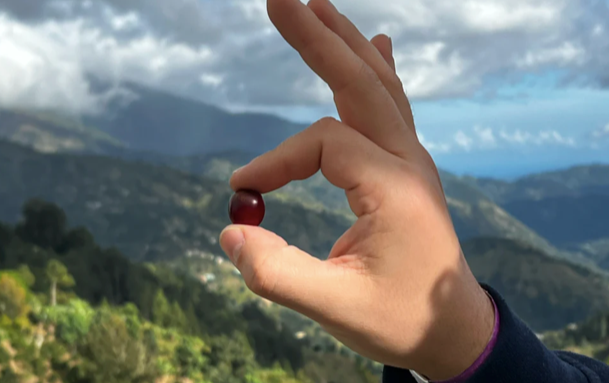
Robusta belongs to the sole major commercial variety under the Canephora species. Although it shares the same genus as Arabica, its characteristics are vastly different. Robusta coffee usually has a pronounced bitter, burnt taste, and its flavor profile often features woody, earthy notes, or even something akin to barley tea. Compared to the floral and fruity notes of Arabica, its performance is indeed more monotonous, and it is often considered less "premium."
However, Robusta also has its advantages. It is extremely adaptable to the environment, unlike Arabica, which is picky about altitude, climate, and soil conditions. As a result, it is easier to grow and yields far more than Arabica. Additionally, Robusta generally contains nearly double the caffeine content of Arabica, giving it stronger resistance to pests and diseases—but this also results in a more intense bitterness. Due to these traits, Robusta is generally inexpensive and has been the main ingredient in instant coffee and cheap blends since the first wave of coffee.
Robusta was most widely used in the mid-to-late 20th century, when many cafés used it extensively as the base bean in blends to reduce costs and enhance a bold, intense flavor. However, because of its distinctly bitter and harsh characteristics, as the second wave of coffee gained momentum and consumers began to prioritize coffee quality, freshly ground coffee gradually reduced its use of Robusta and instead emphasized using 100% Arabica to highlight the high quality of the coffee. This is also one of the reasons why labels like "100% Arabica coffee beans" became popular.
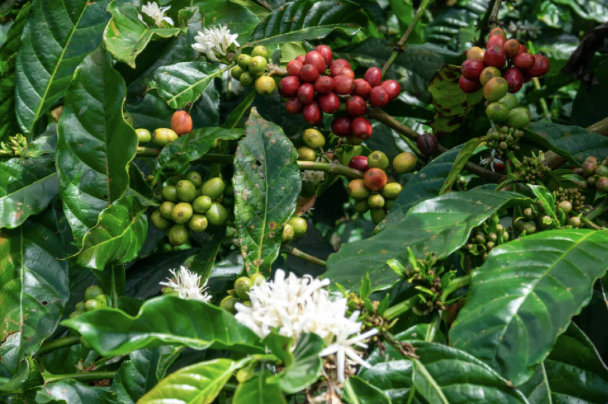
It’s worth noting that although Robusta is often labeled as "low quality," this is not absolute. In recent years, some producing regions have attempted to grow Robusta in the same way as Arabica—by improving growing environments and refining processing methods—to successfully cultivate Robusta beans with excellent flavor. Moreover, in some espresso blends, adding a moderate amount of Robusta can enhance the thickness of the crema (the golden crema layer), aiding in latte art and milk foam integration. Therefore, it is also used by some professional baristas to improve the performance of milk-based coffee.
Finally, we must clarify a common misconception: "100% Arabica" does not mean that the coffee is necessarily delicious. Although most well-regarded pour over coffees and specialty coffees are of the Arabica variety, the quality of Arabica still depends on a multitude of factors—including variety, origin, processing method, roast level, and brewing technique. Therefore, the next time you see the "100% Arabica" label on a coffee package or in a café, consider learning more about the origin details and processing methods to truly appreciate your ideal cup of coffee.
The above content is compiled by CoffeeHunters, a coffee news website.


