







Introduction:Delve into how Panama’s Volcán region cultivates top-tier Geisha through high altitudes and specialized processing methods. From the geographical environment of the Deborah Estate to Jamie Savage’s transformation story, and the application details of carbonic maceration and anaerobic fermentation, this exploration reveals how this land achieves extraordinary flavors and uncovers the quality commitment behind smallholder cooperative models.
In the world of specialty coffee, Panama’s Geisha variety is often regarded as the pinnacle of flavor expression. Beyond renowned competitions and auctions, it is the quietly dedicated farms that nurture unique flavors through technique and environment that have propelled this trend. Nestled in the highlands of the Barú Volcano, the Deborah Estate may not have risen to fame through the Best of Panama (BOP) competition, but it has won the favor of many competition judges and roasters with its consistent high quality and innovative processing methods.
The Deborah Estate is located at the foothills of the Barú Volcano in Panama’s Volcán region, at an altitude exceeding 1,900 meters, making it one of the few coffee-growing areas in the country situated at such heights.High altitude not only reduces the threat of pests and diseases but also results in significant diurnal temperature variations, helping coffee cherries ripen slowly and accumulate richer sugars and flavor compounds.The area has an average annual temperature of about 18°C to 22°C, with annual rainfall of approximately 2,200 millimeters, coupled with fertile volcanic soil, providing nearly perfect growing conditions.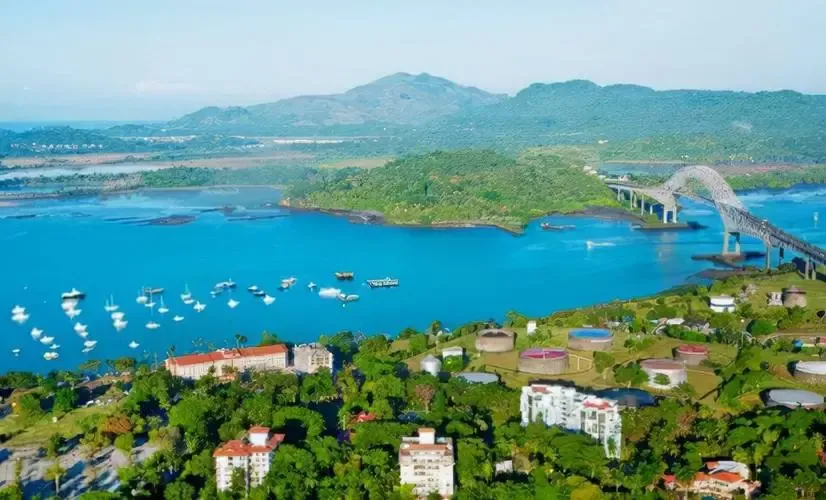
The estate owner, Jamison Savage, was originally a financial industry professional in the United States. Due to marriage, he relocated to Panama and began developing the Deborah Estate in 2007, planting the Geisha variety for the first time in 2010. The first commercial harvest did not emerge until 2016, demonstrating his commitment to quality and patience.Jamison places particular emphasis on environmentally friendly farming practices, firmly refusing to use pesticides or herbicides, thereby maintaining ecological balance while allowing coffee trees to grow in a natural and healthy environment.。
Speaking of the Volcán region, it neighbors the more well-known Boquete region, also part of the Barú Volcano mountain range, but with slightly different climatic conditions. The northern side of Volcán is shielded by mountains, making it less susceptible to Atlantic moisture, resulting in a generally drier climate with ample sunlight. Coupled with its altitude range of 1,200 to 1,900 meters, it creates a microclimate that is distinct yet equally outstanding compared to Boquete. In recent years, this region has gradually emerged as a standout, with representatives like the 90+ Geisha Estate and the Hartmann Estate, and Deborah is one of its notable names.
Jamison is not only a grower but also an innovator in processing methods. Inspired by wine fermentation techniques, he was among the first in the coffee industry to introduce carbonic maceration and anaerobic processing technologies. By adjusting fermentation parameters according to different bean varieties and regional characteristics, he crafts a unique flavor profile for each coffee. These techniques allow for more precise control over temperature, oxygen levels, and timing during fermentation, thereby highlighting floral and fruity aromas, sweetness, and complexity, making them a benchmark in modern specialty coffee processing.
In addition to the Deborah Estate, Jamison also manages the Morgan Estate and founded the Savage Coffee brand. Due to limited production capacity at his own farms, to help more high-quality Geisha from small Panamanian farmers gain market visibility, he sources coffee cherries from local small-scale growers through the Savage brand, transports them uniformly to the Deborah Estate, and processes them using professional equipment and refined techniques to ensure each batch showcases exceptional quality and flavor. This also helps small farmers expand their market opportunities.
Overall, the Volcán region, with its unique geographical location and climatic features, along with pioneers like the Deborah Estate that combine high-altitude cultivation, innovative processing, and smallholder cooperation models, continues to bring surprises to the global specialty coffee market. Whether you’re a pour over enthusiast, a competition coffee seeker, or simply curious about the diverse expressions of the Geisha variety under different processing methods, this land and the stories behind it are well worth exploring.
The above content is compiled by CoffeeHunters, a coffee news website.


