








Introduction:Extraction is the soul step of pour over coffee. Once it’s excessive or insufficient, the flavor immediately goes off. This article delves into the key signs of extraction abnormalities—from sharp acidity, abrupt saltiness, thin aftertaste to suppressed bitterness—helping you intuitively pinpoint the issue through sensory cues. It also covers common misconceptions and practical adjustment tips to help you accurately master the ideal extraction range.
Judging whether a cup of coffee is delicious depends on subjective preference, but when extraction issues arise, the resulting off-flavors are common flaws that most people can detect. This article will explore the specific differences between under-extraction and over-extraction in terms of acidity, sweetness, bitterness, saltiness, aftertaste, and overall flavor, starting from real taste experiences. It also reminds you not to overly rely on Golden Cup extraction theory values—bean variety characteristics and processing methods (like natural or washed) can affect flavor release, meaning theoretical values may not always align with actual taste. Ultimately, your mouthfeel is the true benchmark. Next, we’ll first focus on the typical signs of under-extraction.
Although the definition of “delicious” varies from person to person, reactions to poorly extracted coffee are often strikingly consistent: either overly sour and throat-piercing, or dull and bitter. By keenly identifying these off-flavors, you can trace back to specific extraction issues and adjust parameters to salvage the coffee’s quality. But first, clarify this: while the Golden Cup extraction theory defines a generally accepted extraction range, factors like bean origin quality and post-harvest processing (e.g., sun-dried, washed) influence flavor release, so theoretical values may not perfectly match real taste—coffee within the Golden Cup range isn’t always excellent, and those outside might surprise you. Thus, the most reliable basis is always your actual tasting experience. Next, let’s focus on the typical signs of under-extraction.

So-called under-extraction refers to the hot water failing to fully extract soluble substances from the coffee grounds during brewing, resulting in a lower total content of extracted compounds and triggering a series of taste defects. First up:Overly sharp and prominent acidity— The basic tastes extractable from coffee include acidity, sweetness, bitterness, and saltiness, which compete yet balance each other. Imagine an ideal lemon tea: if it only has the strong acidity of lemon without the sweetness of fruit sugar to buffer, the overall taste becomes hard to enjoy. The same applies to coffee. When extraction time or water temperature is insufficient, smaller-molecule acidic compounds are prioritized for dissolution, while sweetness and bitterness (key to softening acidity) are absent due to inadequate extraction. As a result, the acidity becomes pungent and unbalanced, often accompanied by a lack of sweetness or insufficient bitterness leading to a missing body.
Next isNoticeable saltiness emerging— Saltiness in coffee is inherently subtle, usually masked by other flavors. But when under-extraction prevents most flavor compounds from being released, the originally faint saltiness becomes more noticeable, serving as another clear sign of extraction imbalance.

Third isA lack or absence of aftertaste— The aroma and taste lingering in the mouth after sipping come from tiny particles dissolved in the liquid that continue releasing during brewing. Under-extraction drastically reduces aromatic compounds that contribute to aftertaste, so the coffee leaves little to no sustained aroma or sweetness, and the aftertaste may vanish entirely.
Lastly isAn overall thin and bland flavor— Extraction is the process of drawing out complex components from coffee beans (like fruity, floral, or caramel notes). If extraction is insufficient, the building blocks of these flavor compounds aren’t fully released. A single flavor (like citrus or nuts) may feel hollow without supporting elements, making the overall profile superficial, lacking layers and depth.
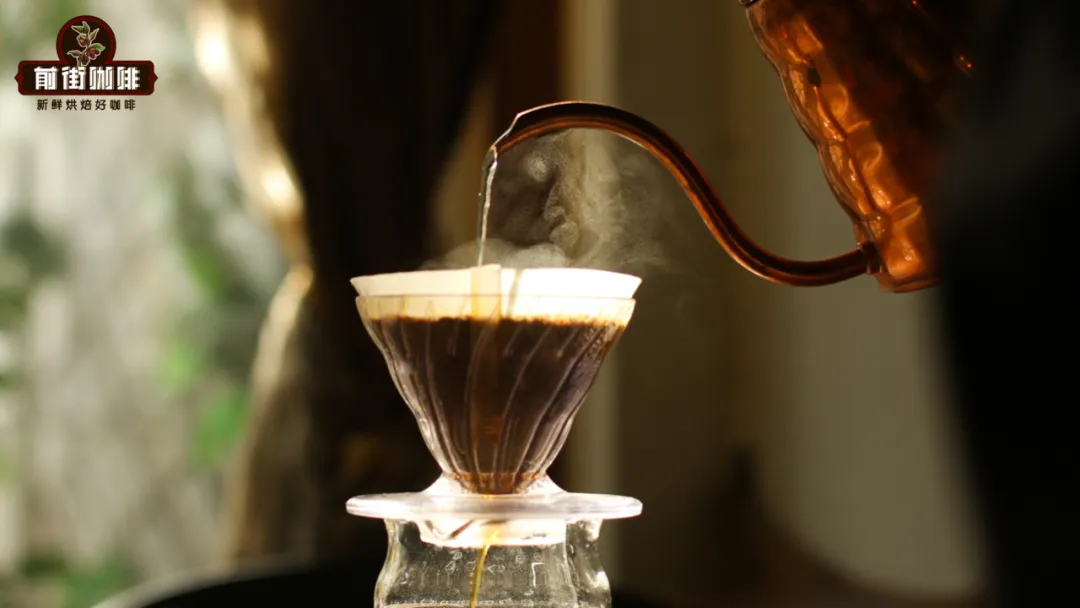
Conversely,over-extractionis the other extreme—too much hot water or excessively long brewing time causes even the substances meant to remain in the coffee grounds to be overly released, especially those that bring unpleasant sensations. The most obvious issue with over-extracted coffee is:Bitterness overpowering all other flavors. Human taste buds are far more sensitive to bitterness than other tastes. When bitter compounds (like high-molecular-weight phenolic compounds) dominate, they not only create intense astringency and heaviness but also significantly weaken the expression of acidity and sweetness, leaving the entire cup seemingly ruled by a single bitter note, devoid of balance and nuance. Even if the coffee originally had premium fruit or chocolate notes, excessive bitterness makes them hard to appreciate.
The above content is compiled by CoffeeHunters, a coffee news website.


