








Introduction:Many coffee enthusiasts often wonder: does latte art affect the flavor of a latte? This article delves into the key factors that shape the flavor of milk-based coffee drinks and uses practical test data to illustrate that latte art has virtually no impact on taste. In addition, it explores the added visual and emotional value that latte art brings to hot milk coffee, helping you make more informed choices—whether for professional commercial use or personal enjoyment.
Have you ever wondered if the flavor of a meticulously poured latte actually differs because of the design? In fact, the taste of milk coffee is primarily determined by the quality of the coffee beans, the freshness of the milk, and the techniques used for extraction and steaming. Latte art itself is simply the process of artistically pouring the fine microfoam created by steaming onto the coffee's crema—the ingredients remain unchanged, so it has almost no substantial effect on flavor.
According to actual comparative tests, when the extraction and blending steps are consistent, hot lattes with or without latte art show no significant difference in taste performance. This means that while latte art can enhance visual appeal, it does not alter the essential flavor of the coffee. However, this does not mean that latte art is a dispensable step in coffee preparation.
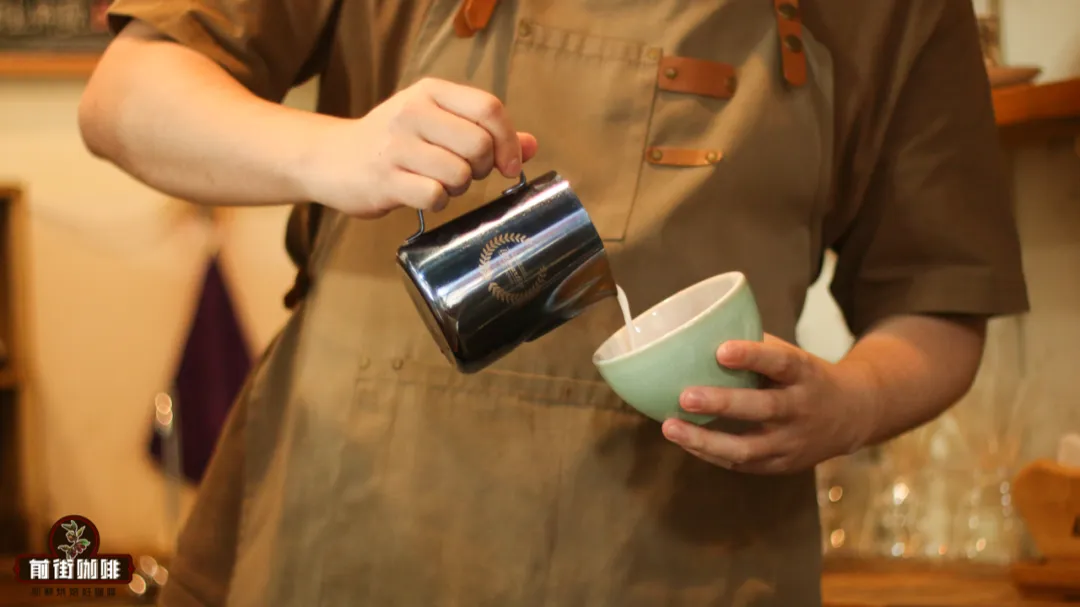
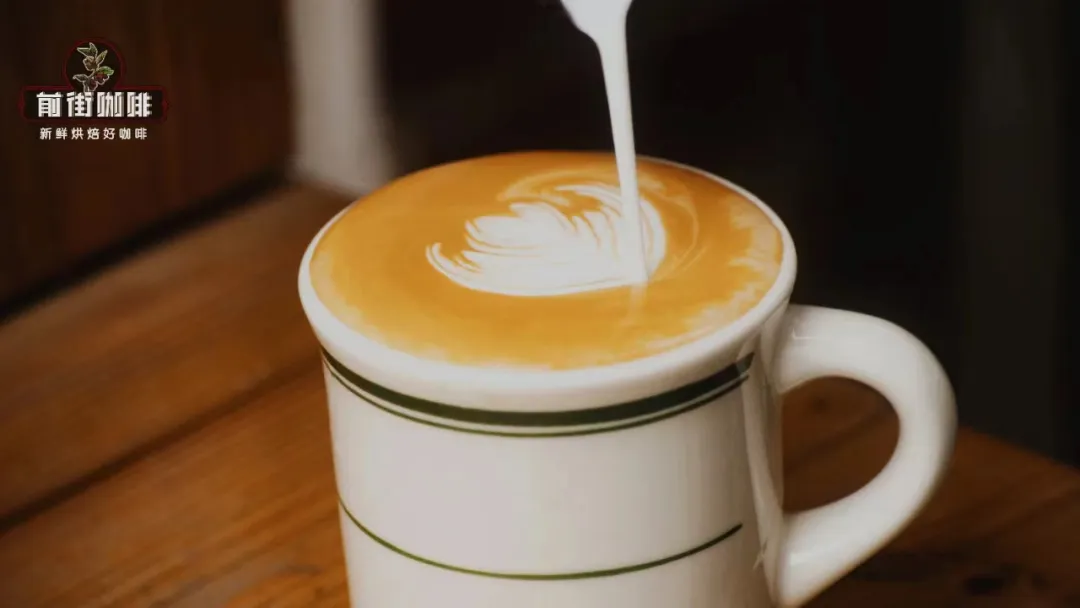
The primary value of latte art lies in enhancing the visual appeal of coffee. In consumer behavior, appearance is often the key factor in forming first impressions. Many people may initially view a latte as just “a slightly bitter pick-me-up,” but when they see delicate, smooth latte art patterns on the surface, they often unconsciously associate it with a smooth, rich taste, thereby increasing their willingness to try it.
For example, when people walk into a coffee shop and see a latte neatly presented with heart or leaf designs, they often instinctively think that the coffee “looks delicious.” Even if the actual flavor doesn’t quite match expectations, this visual cue can still influence purchasing decisions. Over time, common hot milk coffees like lattes and cappuccinos have become iconic coffee images in the public mind, largely due to their frequent pairing with exquisite latte art.
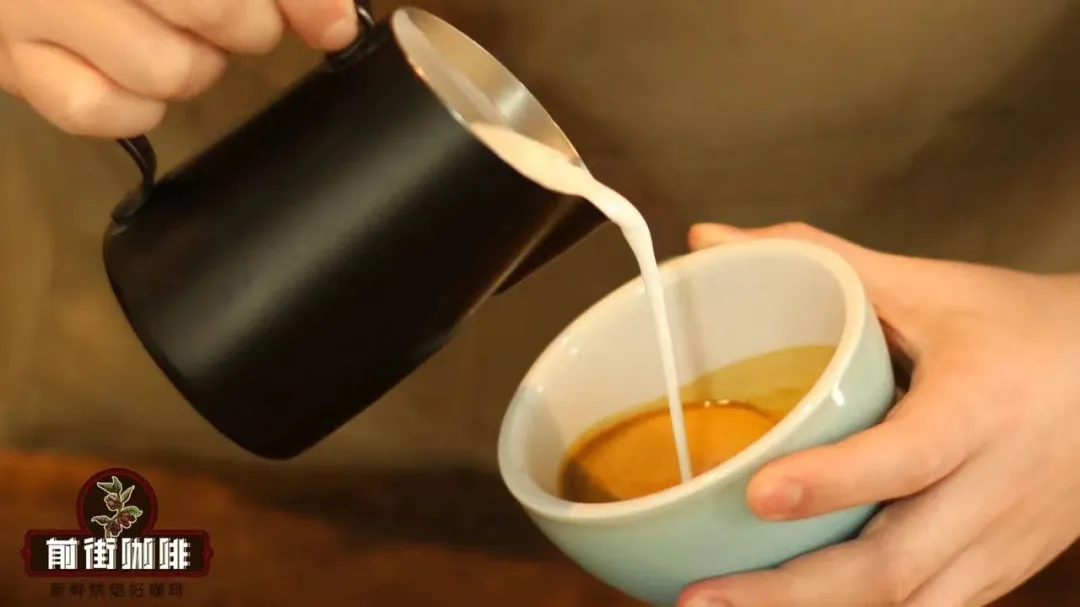
Beyond catching the eye, latte art can also endow coffee with additional emotional value. A delicately designed latte pattern, whether a simple heart or a complex animal figure, represents the time and practice the barista has invested. Such details are often noticed by customers, conveying a sense of the maker’s care and dedication.
When customers are deciding between two lattes—one with beautiful latte art and one without decoration—most tend to choose the former, subconsciously assuming that “latte art = more effort = potentially better taste.” Even if the flavors are similar, latte art can still elevate overall drinking expectations and satisfaction on a psychological level.
Therefore, for commercial coffee shops, offering hot milk coffee with latte art is not just about showcasing technical skill, but also about conveying brand dedication and customer service attitude. Good visual presentation can strengthen consumers’ overall impression of the product, thereby increasing repurchase rates and word-of-mouth recommendations.
On the other hand, if you’re brewing a hot latte for yourself, whether or not to pour latte art depends entirely on personal preference. If you prioritize flavor performance, then ensuring the use of high-quality coffee beans, fresh whole milk, and mastering proper extraction and steaming techniques are the keys to enhancing taste. For instance, when pulling an espresso shot, it’s recommended to aim for a brew ratio of 1:2, with a medium-fine grind, while the ideal steaming temperature is around 60–65°C, with the milk foam being fine and even. These are all core parameters that influence the flavor of milk coffee.
If you enjoy the creative process, latte art can also be a way to add a touch of refined living. But regardless of whether you pour latte art or not, a good-tasting milk coffee ultimately comes down to the quality of the ingredients and the consistency of the brewing process.
In summary, latte art has minimal impact on the flavor of a latte, but it plays an important role in visual appeal and emotional connection. Whether you’re a barista, café operator, or a home-brewing coffee enthusiast, understanding these details can help you find your own optimal balance between enjoying and making coffee.
The above content is compiled by CoffeeHunters, a coffee news website.


