







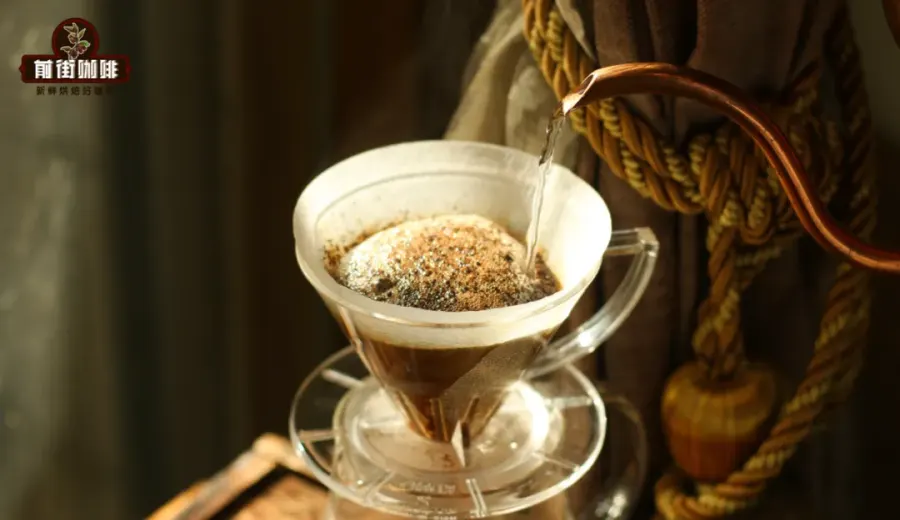
Introduction:Many people believe that pour over is only suitable for single-origin beans, but in fact, with the right techniques, blends can also showcase unique flavors. This article delves into the design logic behind espresso blends, explores the feasibility of pour over extraction, and provides a professional cold brew recipe. Through real-world case studies, it helps readers understand the performance differences of various blend types in pour over and cold brew, mastering more flexible brewing methods.
Pour over coffee is often equated with single-origin beans, but blends are equally well-suited to this brewing method—the key lies in understanding the purpose behind the blend. This article will introduce you to several common types of blends, analyze the core concepts of espresso blends, and share practical cold brew recipes to help you uncover the potential of blends in pour over.
The flavor differences in coffee stem from multiple factors:Country of origin,Region characteristics,Mill differences, and evenprocessing method variationscan all influence the final flavor profile. These variables give both single-origin and blended beans their unique charm, and pour over—being a brewing method with high tolerance for error and clear flavor expression—can actually pair perfectly with blends.
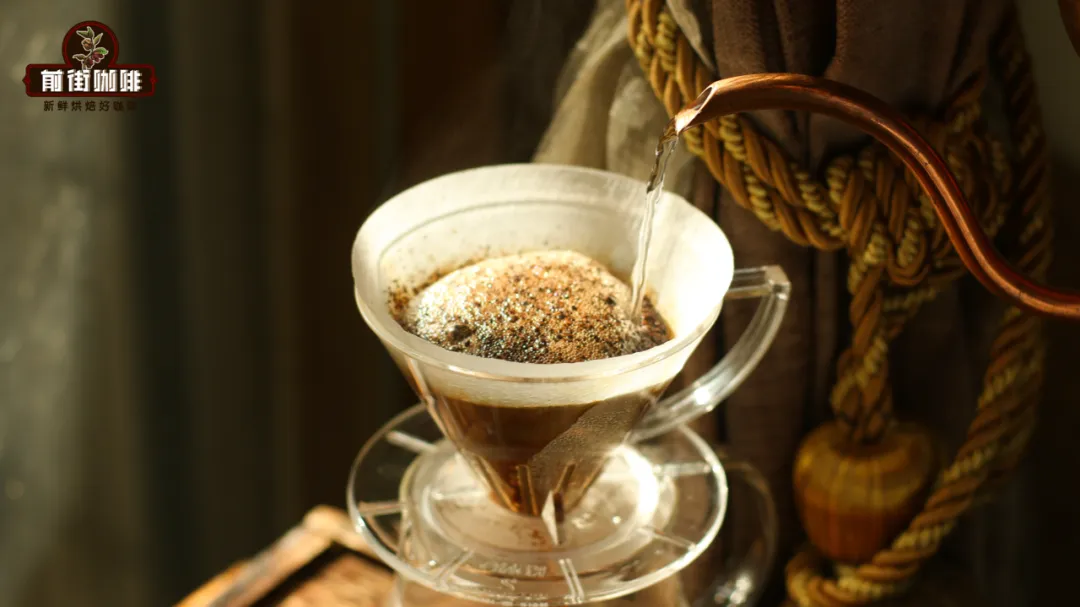
Traditionally, pour over is often paired with single-origin beans because they can clearly highlight the terroir characteristics of a specific region. But blends, through careful formulation, often balance acidity, sweetness, bitterness, and astringency, creating a more complex layering. Once you understand the design philosophy behind espresso blends, you’ll find that these beans can also deliver surprising results in pour over.
Espresso blends are usually designed with the characteristics of espresso in mind, emphasizingbody,crema performance, andsweetness balance. But when we use these beans for pour over or cold brew, their flavor characteristics undergo interesting changes—what was once intense may become softer, while hidden fruity or floral notes may become more pronounced.
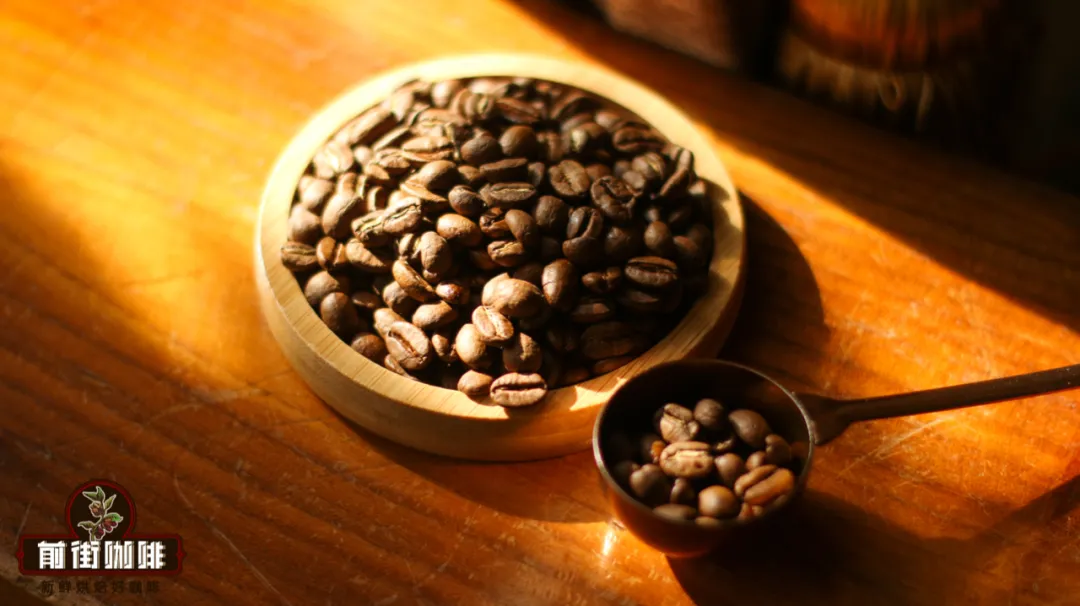
For readers looking to try pour over with blends, here are some recommended parameters: a brew ratio of 1:15–1:17, water temperature of 90–93°C, and a grind size between medium-fine and medium-coarse (similar to fine sugar grains). During brewing, a three-stage pouring method can be used, with the first stage focusing on bloom and the middle-to-late stages enhancing flavor extraction.
As for the cold brew recipe, it’s recommended to use medium-dark roasted blends, with a ratio adjustable to coffee grounds:water = 1:12, steeped at room temperature for 12–16 hours. This approach reduces the risk of over-extraction while bringing out the deep sweetness and low acidity of the blends, making it ideal for summer drinking.
The above content is compiled by CoffeeHunters, a coffee news website.


