







Introduction:As the world’s leading producer of Robusta coffee, Vietnam is facing dual challenges from extreme climate conditions and competition from alternative cash crops. Rising temperatures and droughts are affecting coffee tree growth, while the higher profitability of pepper cultivation is prompting some farmers to consider switching crops. This article delves into the difficulties confronting Vietnam’s coffee industry, explores the reasons behind price fluctuations, and examines future trends to help readers understand the subtle changes in the global coffee supply chain.
Vietnam is a major global producer of Robusta coffee, but in recent years it has been hit hard by extreme weather. Rising temperatures and persistent drought have severely impacted local coffee cultivation, leading to a noticeable decline in overall production. Although international prices for Robusta coffee have remained high—temporarily attracting farmers to expand planting areas—the climatic conditions since 2024 have caused a sharp downturn.
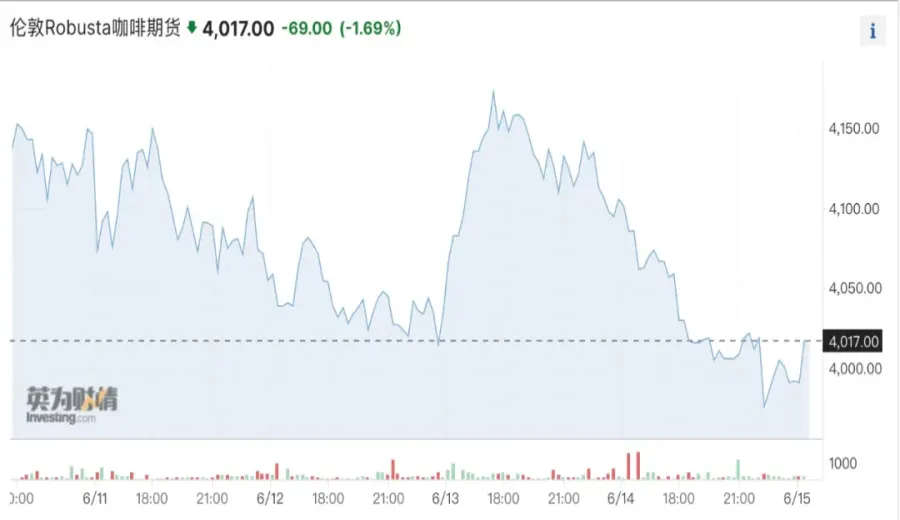
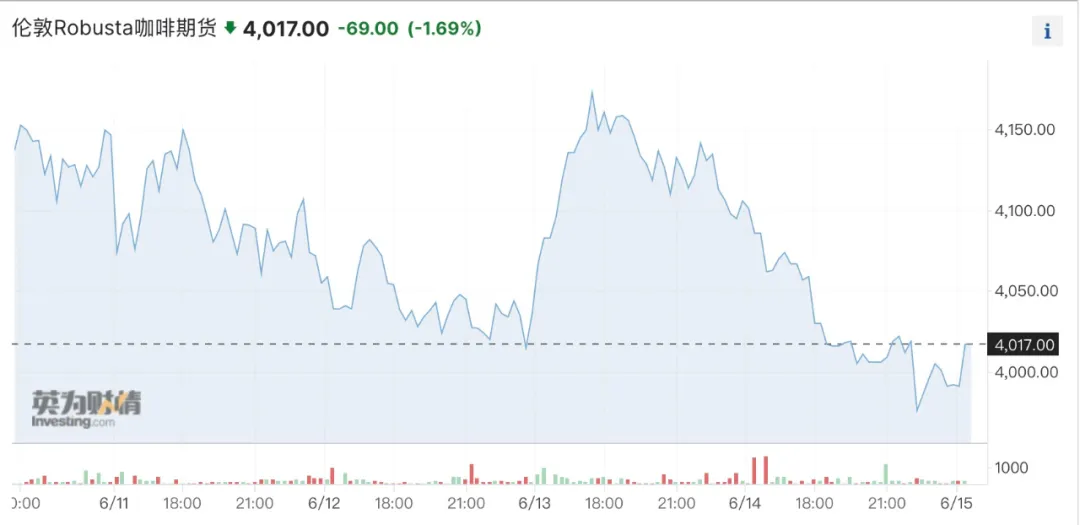
In the first five months of this year, Vietnam’s coffee exports dropped by nearly 6% compared to the same period last year, while Robusta futures prices remain high at around $4,000 per ton, creating cost pressures for many international roasters. Some businesses have begun seeking alternative bean sources in Indonesia, but with Indonesian coffee prices also relatively high, more companies can only opt to raise retail prices to maintain profits.
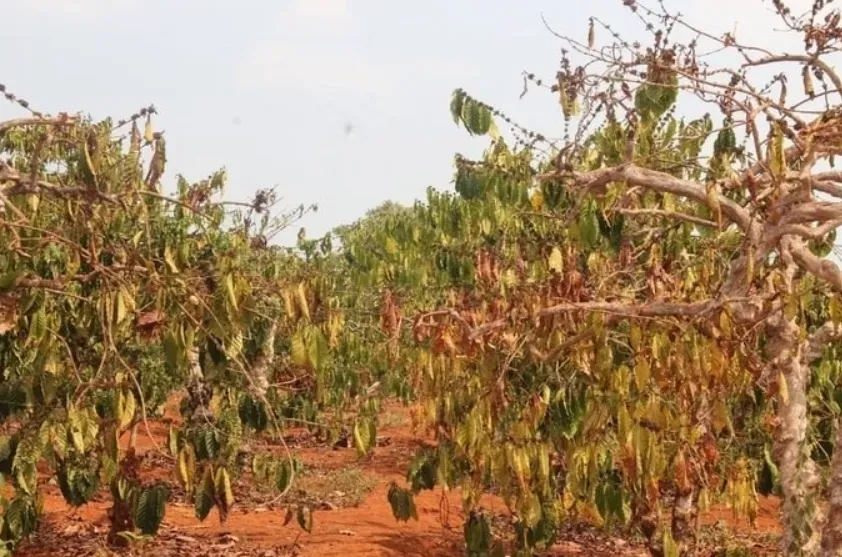
Extreme weather is one of the main reasons for the sharp drop in production. From March to April this year, Vietnam experienced severe drought, with water levels in many reservoirs plummeting and even riverbeds cracking in some areas. Groundwater resources are also severely depleted. Under such conditions, coffee trees have commonly exhibited symptoms such as yellowing and shedding leaves, with their growth conditions noticeably deteriorating.
Although May marks the start of the traditional rainy season, actual rainfall has remained suboptimal. According to statistics from Vietnam’s meteorological department, cumulative rainfall in major coffee-producing regions such as Gia Lai Province from May to early June was only 10 to 15 millimeters—far from enough to effectively alleviate the ongoing drought. Moreover, most of the rain has come in the form of brief showers, offering limited replenishment for the soil.
To mitigate the impact of the climate on crops, some farmers have tried using artificial irrigation to maintain the necessary moisture for coffee trees, but the results have not been significant. Experts point out that the Robusta coffee varieties grown in Vietnam typically thrive best in environments of 24–28°C, but current local temperatures are generally higher, ranging between 25–35°C. This not only inhibits the normal growth of coffee trees but also leads to poor development of buds and fruits, further affecting both coffee yield and quality. Additionally, the high-temperature environment has facilitated the spread of pests and diseases, posing even more challenges for coffee farmers.
According to export data from Vietnam Customs, the country’s coffee exports in May 2024 amounted to 79,358 tons—a significant 47.8% drop from the previous month. Cumulative exports over the first five months totaled 817,514 tons, a year-on-year decrease of 5.8%. The ongoing decline in exports has tightened the supply of Robusta coffee in the international market, further supporting prices at a relatively high level of around $4,000 per ton.
Faced with continuously rising coffee bean prices, some roasters have opted to import from Indonesia. However, as Indonesian coffee prices have also risen, the overall supply remains tight. Many brands have ultimately had to pass on the costs to consumers by adjusting retail prices to cope with the increase in raw material expenses.
In addition to challenges posed by the climate and the coffee market itself, another significant factor affecting Vietnam’s coffee cultivation comes from pepper. As the world’s largest exporter of pepper, Vietnam saw its total pepper exports drop by 13.2% in the first five months of 2024, but the total export value still reached $493 million—an increase of 20.6% year-on-year. Among them, the average price of black pepper was $4,197 per ton, while white pepper reached $5,804 per ton, with both prices rising by $754 and $849 respectively.
The economic returns of pepper cultivation are significantly higher than those of coffee, making it more attractive to local farmers. Although pepper has also seen reduced yields due to weather impacts, limited market supply has kept prices high. This has led some coffee farmers to consider shifting their focus to pepper and other high-yield crops. If this trend continues, Vietnam’s coffee cultivation area may shrink further in the future, which could have even deeper implications for the global Robusta coffee supply chain.
The above content is compiled by CoffeeHunters, a coffee news website.


