







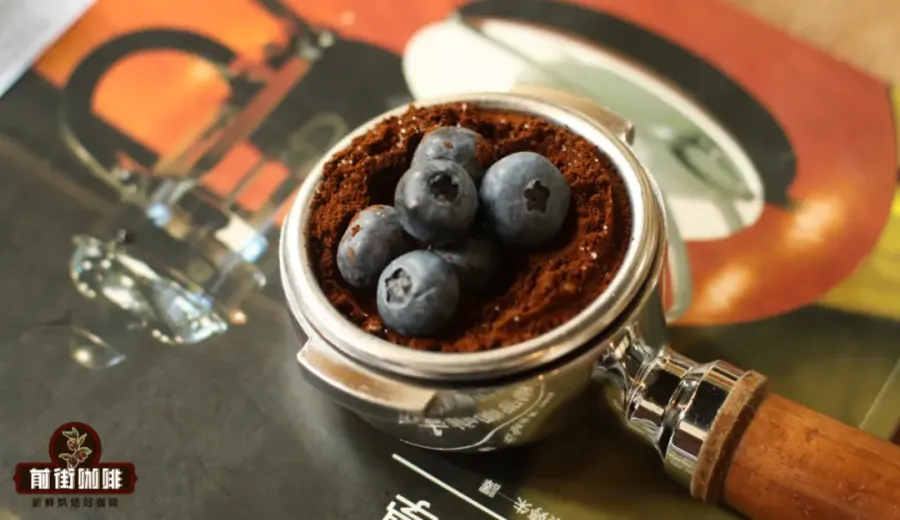
Introduction:Many coffee enthusiasts wonder whether adding sugar, osmanthus, or butter during espresso extraction can bring out more natural and captivating flavors. However, such attempts may backfire. Through comparative experiments, it was found that mixing sugar into the coffee puck can cause channeling, leading to uneven extraction and flavor imbalance. This article will delve into the reasons behind this and share real test data and observations to help you understand which practices are worth trying and which should be avoided.
Some coffee drinkers enjoy incorporating additional flavor elements—such as osmanthus, sugar, or even butter—during espresso extraction, hoping to naturally impart sweetness or a richer mouthfeel to the final shot. While such creative ideas may seem enticing, do they truly deliver as expected? A detailed comparative experiment was conducted, where sugar was added either into the coffee puck or directly into the cup, and the differences in the final extraction results were observed. The findings revealed that mixed extraction not only risks disrupting extraction balance but can also trigger severe channeling.
In the experiments, some enthusiasts sprinkled osmanthus on top of the coffee grounds before tamping, aiming to infuse the espresso with a delicate floral aroma; many others mixed sugar with the coffee grounds, hoping the resulting shot would be naturally sweet; and some even added small pieces of butter, expecting the fats to blend with the coffee for a richer body. However, while these methods may sound innovative, their actual outcomes often fall short of expectations.
To verify the impact of these methods, the classic "Warm Sun Blend" coffee beans were used, with standard espresso extraction parameters set: coffee dose 20 grams, brew ratio of 1:2, grind size at Galileo Q18’s 1st setting, target extraction time of 30 seconds, and output weight of 38 milliliters. The variable introduced was the addition of 5 grams of sugar, tested in two ways: one where the sugar was mixed into the coffee grounds before tamping into the puck, and another where the sugar was placed directly into the cup and added after the espresso was extracted.
In the first step of the experiment, one portion of the sugar was evenly mixed with the coffee grounds and then tamped into a puck;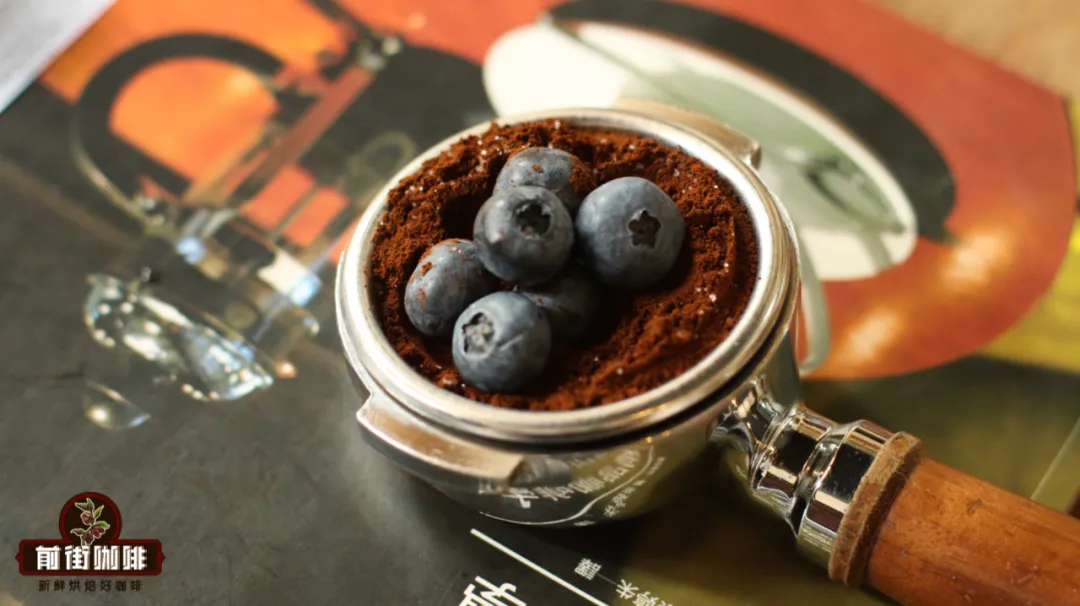 the other portion kept the coffee grounds pure, with the sugar placed separately in the cup. Subsequently, both pucks were sequentially extracted using the portafilter.
The results showed that the shot without any added sugar proceeded very smoothly, with the extraction time landing exactly at the set 30 seconds, and the output weight also matching the expected 38 milliliters. After gently stirring the sugar into the coffee liquid, the espresso exhibited a well-balanced sweetness that complemented the original whisky-like notes and buttery cookie flavors of the Warm Sun Blend. The overall profile was rounded and layered, even revealing a hint of caramelized toffee, which was a delightful surprise.
However, the shot with sugar mixed into the puck during extraction turned out quite differently.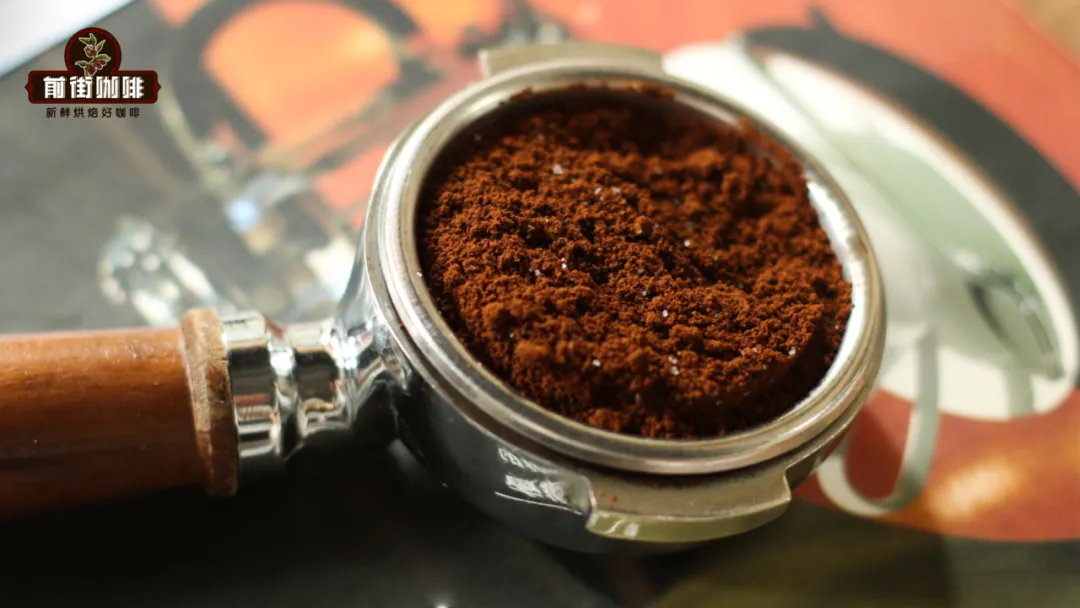 Although the target output weight also reached 38 milliliters, the entire extraction time was less than 20 seconds, far below the standard parameters. The flavor profile was disappointing—not only was the expected sweetness absent, but the shot also exhibited unpleasant sharp acidity and burnt bitterness. The various flavors lacked harmony, each seeming to stand on its own without blending together.
Why does adding sugar cause such a significant difference? The key reason lies in the emergence of "channeling." When soluble substances like sugar come into contact with high-pressure water along with the coffee grounds, they dissolve rapidly and create voids within the puck. These voids act as "shortcuts," or channels, through which most of the hot water flows, bypassing the rest of the puck and concentrating through areas of least resistance.
With the puck structure compromised, it can no longer effectively withstand the impact of the high-pressure water flow, causing the espresso to gush out rapidly. This not only drastically shortens the extraction time but also means that only the small portion of coffee grounds in the channels get fully extracted, while the majority of the grounds are under-extracted. As a result, although the output volume reaches the intended level, the extraction is severely uneven, and the flavor profile is inevitably diminished.
This phenomenon is not limited to sugar. Previous experiments involving butter have shown similar results—it was found that any additive that dissolves or alters the puck’s structure can easily induce channeling, disrupting extraction stability and balance. Therefore, if you wish to enhance the flavor of your espresso, it is better to adjust it afterward rather than extracting it together with the coffee grounds. This approach ensures flavor harmony and helps avoid uncontrollable extraction mishaps.
The above content is compiled by CoffeeHunters, a coffee news website.


