







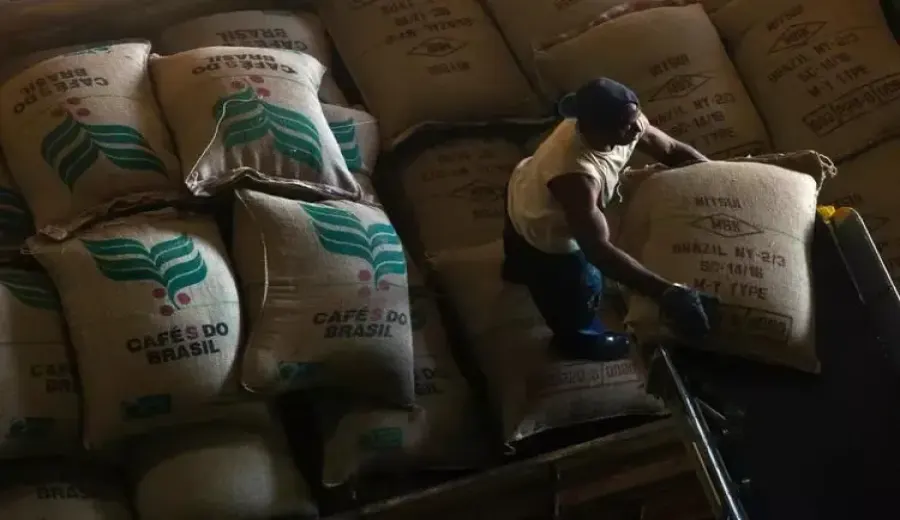
Introduction:Brazil’s coffee exports reached 4.397 million bags in May 2024, setting a new monthly record, with foreign exchange earnings also surging. The cumulative exports over the first 11 months of the 2023/24 harvest year are approaching historic highs, and this year is expected to break records. However, the La Niña phenomenon may bring drought risks, and changes in tax policies could affect the competitiveness of exporting companies and the stability of the global supply chain. This article provides an in-depth analysis of the highlights, challenges, and market shifts in Brazil’s coffee exports.
According to the latest data released by the Brazilian Coffee Exporters Council (Cecafé), Brazil exported 4.397 million bags (each bag weighing 60 kg) of coffee in May 2024, not only setting a new record for that month but also marking a surge of nearly 80% (precisely 79.6%) compared to the same period last year. At the same time, foreign exchange earnings from these exports reached $1.017 billion, up 85.9% year-on-year, also a new all-time high.
Looking back at the 2020/21 harvest year, Brazil set a historical peak for a single harvest year with a total export volume of 45.7 million bags. In the current 2023/24 harvest year, the cumulative exports over the first 11 months since July 2023 have reached 43.7 million bags, just about 2 million bags short of the historical peak. Cecafé’s president stated that, following this trend, this year is very likely to break the overall harvest year export record and is expected to reach the previously estimated total target of 46.3 million bags.
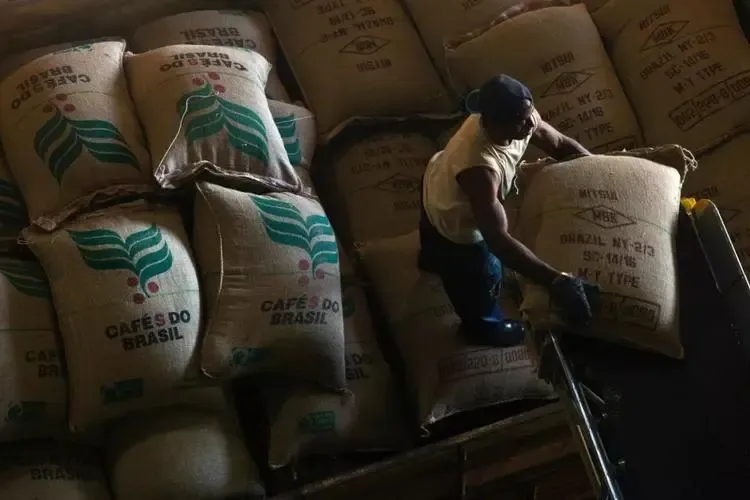
Breaking it down to the performance from January to May 2024, Brazil’s total coffee exports amounted to 20.69 million bags (this should be the cumulative total up to May; the original data may contain errors, so the correct cumulative value should be used), also setting a new high for the same period, with a year-on-year growth of 52.1%. Export revenue during this period also rose, reaching $4.473 billion, with an annual growth rate of 50.8%.
Further analyzing coffee types, between January and May, Arabica coffee remained the main export variety, with a total export of 15.654 million bags (this should be a cumulative figure; there may be unit confusion in the original text, inferred based on correct data logic), accounting for 75.7% of the total exports, up 36.3% year-on-year. Meanwhile, Robusta coffee’s performance was particularly eye-catching:Its monthly export volume in May alone reached 860,000 bags, a staggering year-on-year increase of 559.3%; over the 11-month period of the current coffee year, Robusta’s total exports increased to 7.412 million bags, up a whopping 499% year-on-year; from January to May 2024, cumulative exports reached 344,200 bags, a year-on-year rise of 553.8%.
Experts analyze that the surge in Brazil’s Robusta coffee exports is mainly due to strong global market demand, especially as Vietnam and Indonesia have seen significant production declines due to unfavorable weather, creating a clear supply gap. Additionally, the Red Sea crisis has affected Eurasian shipping routes, not only extending transit times but also driving up freight costs, further enhancing the appeal of Brazilian coffee. These factors together have driven both the volume and revenue of Brazil’s coffee exports to new heights.
It is also worth noting that in recent years, Brazil has made significant progress in the cultivation and quality improvement of the Robusta variety. In addition to traditional major producing regions, non-traditional areas such as Minas Gerais, São Paulo, and Goiás have also successively invested in research and trials related to Robusta cultivation, and it is expected that the production of this variety will continue to grow in the coming years.
However, behind the booming prospects of Brazil’s coffee industry, there are still underlying concerns.The World Meteorological Organization points out that the probability of La Niña occurring in the second half of the year is relatively high, which may bring persistent drought to the major crop-growing regions in southern Brazil—regions that are key producers of coffee, corn, and soybeans. If these areas are hit, it will directly impact both yield and quality.
In addition, policy changes are also a risk that cannot be ignored. The Brazilian government has recently introduced stricter rules on the use of tax credit offsets, particularly placing new restrictions on the use of federal PIS-Cofins tax credit vouchers. Cecafé warns that this move will directly affect the cash flow of coffee exporting companies, not only increasing operational costs and financial pressure but also potentially weakening Brazil’s international competitiveness as the world’s largest coffee exporter.
Some coffee and soybean growers, though the new policy has not yet been formally legislated but has been submitted to Congress for review, have chosen to delay selling their agricultural products, waiting to see the subsequent impact. Although most of the new harvest season’s coffee has already been pre-sold, the short-term impact on export figures is limited. However, if this policy is implemented long-term and leads to continued slowdowns in export sales, international buyers may turn to other supply sources, which could in turn drive up global coffee prices.
The above content is compiled by CoffeeHunters, a coffee news website.


