








Introduction:When pour over coffee tastes bitter, many people’s first instinct is to cut off the final extraction phase. However, bitterness actually stems from multiple sources—not just issues during extraction. This article delves into the origins of bitterness in coffee, helping you distinguish whether it results from over-extraction or overly dark roasting. It also offers practical pour over parameter adjustments—such as grind size, water temperature, and brewing time—to help you achieve better extraction balance and brew coffee with richer flavor layers.
Many pour over enthusiasts, upon encountering noticeable bitterness in their coffee, often instinctively react by “cutting off the tail end,” assuming that the bitterness is concentrated in the final stage of brewing. But the truth is not so simple. The sources of coffee bitterness are more complex than imagined, relating both to the release sequence of various compounds during extraction and to the degree of roasting. This article will take you from the root to understand how bitterness is generated, identify the characteristics of bitterness caused by different factors, and teach you how to effectively reduce unwanted astringency by adjusting pour over parameters—such as grind size, water temperature, and time—in actual practice.

First, let’s clarify a common misconception: many people hear that “cutting off the flow can avoid bitterness” and therefore assume that bitterness only exists in the tail end. In reality, this understanding is somewhat one-sided. While the final extraction phase is indeed a key turning point in flavor transition, it is not the sole or primary source of bitterness. Bitterness in coffee can come from multiple sources, including compounds inherent to the beans themselves and chemical changes produced during roasting—all of which affect the final taste experience.
Coffee beans naturally contain some compounds that can impart bitterness, such as chlorogenic acids, caffeine, and trigonelline. These are gradually released during the pour over process. It’s especially important to note that acidic and sweet substances in coffee are mostly small molecules, which dissolve quickly and are typically released in the early stages of brewing. In contrast, bitter compounds, due to their larger molecular structure, dissolve more slowly but persist throughout the entire extraction. As a result, if the acidic and sweet substances have already dissolved while extraction continues, bitterness and undesirable off-flavors can easily blend in, leading to what is known as “over-extraction”—the stage where bitterness is most commonly noticed.
It’s worth noting that the primary purpose of “cutting off the flow” is to avoid over-extraction. Common scenarios for its use include unexpected blockages during brewing, which lead to uneven water flow and excessive extraction, or when the preset total brew weight has been reached and no further extraction is needed. In both cases, cutting off the flow helps prevent flavor imbalance—not because “the tail end is always bitter.”
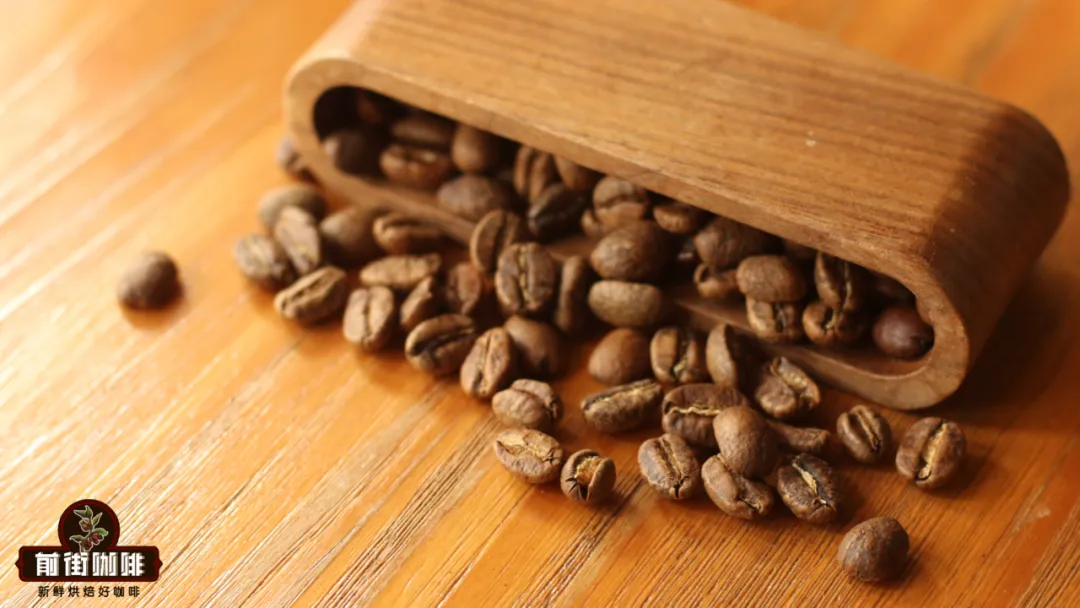
So, what’s usually behind noticeable bitterness in pour over coffee? The culprit is often “over-extraction.” Common causes of over-extraction include grinding too finely, using too much fine sediment, water that’s too hot, or extraction times that are too long. All these factors increase extraction efficiency, causing bitter compounds—which are meant to be released later—to dissolve prematurely or excessively into the coffee liquid. If you often find your coffee tasting both bitter and astringent, it’s advisable to revisit these basic pour over parameters and make appropriate adjustments to reduce extraction intensity, achieving a more balanced overall flavor.
Additionally, coffee bitterness isn’t solely a brewing issue—the degree of roasting also plays a key role. Commercially available roasted beans can generally be divided into two main types: light roast and dark roast. Light roast coffee, due to its shorter roasting time, retains more acidic and sugary substances, resulting in a brighter fruity acidity and aroma, with relatively mild bitterness. In contrast, dark roast coffee, due to its extended roasting duration, sees much of its internal acidity broken down, replaced instead by intense roasted and bitter notes, reducing the proportion of acidity and making bitterness the dominant characteristic. Therefore, choosing beans with different roast levels will directly influence the flavor profile of your brewed coffee.
Overall, to brew a pour over coffee with balanced flavors and without excessive bitterness, the key lies in fully understanding the sources of bitterness and making targeted adjustments to your brewing strategy. Whether it’s selecting beans, controlling grind size, setting an appropriate water temperature, or precisely managing extraction time—each step affects the final flavor spectrum. Through continual experimentation and adjustment, you’ll be able to confidently approach various types of coffee beans and brew the cup that best suits your personal taste preferences.
The above content is compiled by CoffeeHunters, a coffee news website.


