







Introduction:Since its debut in 2017, the Huakui coffee has been a sought-after natural star bean among specialty coffee enthusiasts, especially favored by pour over players who appreciate bright acidity and fruity flavor profiles. From Huakui 1.0 to the latest Huakui 8.0, each annual release has seen subtle evolution. This article delves into the origin of the Huakui region, the meaning behind its version numbering, and compares the actual flavor differences between Huakui 8.0 and 7.0. It also debunks a common misconception: is Huakui the same as Geisha? Through expert cupping and shared pour over parameters, we guide you to master the brewing tips and true flavor profile of this popular bean.
In the world of specialty coffee, Ethiopian naturals have long been known for their intense fruitiness and unique regional characteristics. Among them, the “Huakui” series can be considered one of the most representative star products in recent years. Since its first appearance in 2017, this natural coffee from Ethiopia’s Sidama Guji Hambella region has been steadily releasing new versions each year, with the latest “Huakui 8.0” still maintaining high popularity. However, many novice coffee lovers often confuse Huakui with Geisha, even thinking it is a premium grade of Geisha. In fact, the two differ greatly in terms of origin, variety, and processing method.
The origin and regional background of Huakui
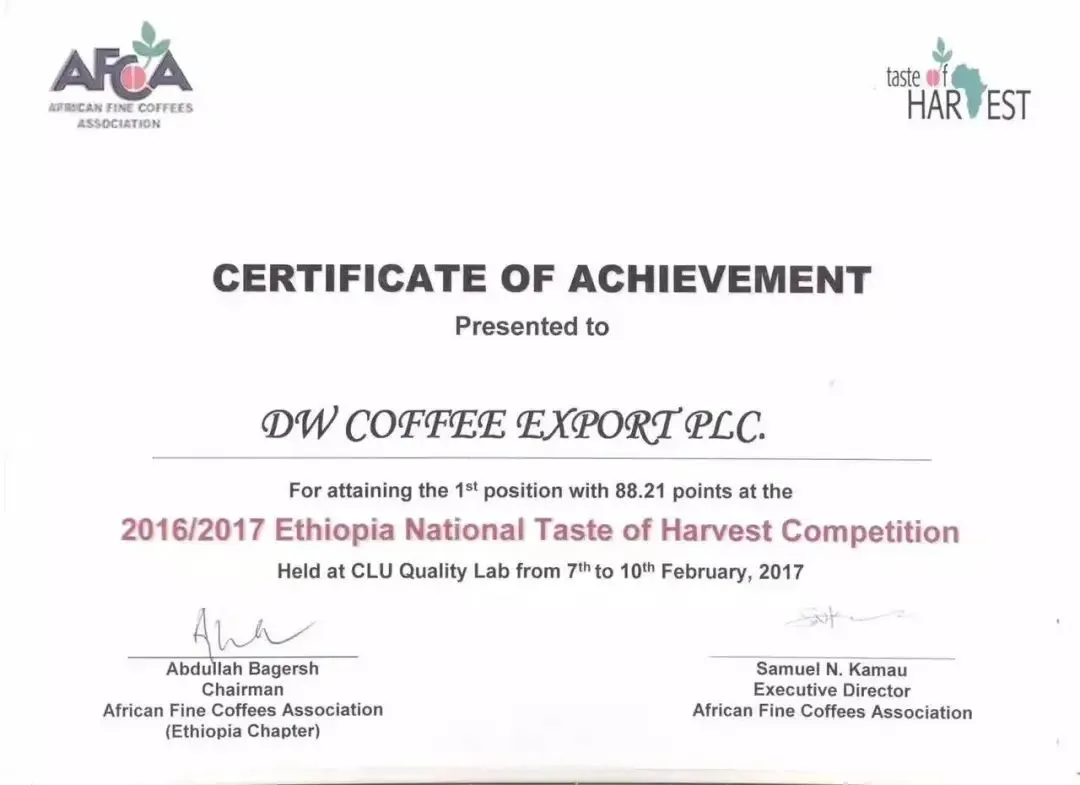
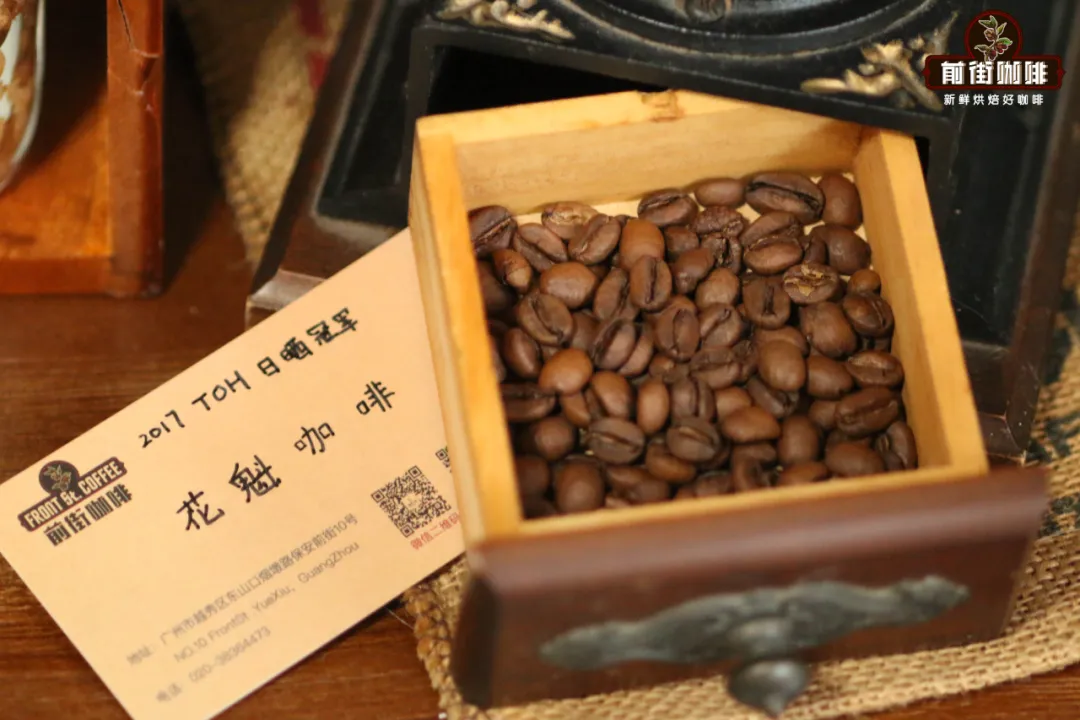
Huakui coffee is actually produced in the Guji zone of Ethiopia, more precisely at the Buku Abel washing station in the Hambella area, with its full regional name being Ethiopia Guji Hambella Buku Abel. Although it is broadly categorized under Sidama, it actually belongs to the Guji region and is primarily processed using the natural method. Since making its debut as the natural category winner in the TOH (Taste of Harvest) green coffee competition in 2017, it quickly gained global recognition in the specialty coffee market thanks to its rich berry and creamy aroma.
Where does the name “Huakui” come from?
Interestingly, “Huakui” is not the original variety or processing name, but rather a Chinese market name given after it won an award. In 2017, when this natural coffee, submitted by DW Company, won the top spot in the natural category of the TOH competition, its intense berry aroma and creamy mouthfeel won over the judges. Subsequently, these championship beans were introduced to China by a green coffee trader and named “Huakui,” meaning the queen of flowers—symbolizing unparalleled beauty and elegance. The name draws inspiration from traditional Chinese culture and matched its dominant performance in the competition. It later also competed against Geisha in Chinese coffee brewing competitions, further boosting its visibility.
What does the “X.0” version number behind Huakui mean?
Many consumers wonder why Huakui releases new versions each year such as “Huakui 8.0” and “Huakui 7.0.” In reality, this is not due to changes in variety or origin, but rather a version management strategy driven by market demand and regional expansion. Before 2017, this coffee was only known by its producing area, “Hambella.” As it gained immense popularity, DW Company set up multiple washing stations in the core town of Dimtu, including Buku Saysay, Haro Soresa, Tirtiro Goye, and Seke Bokosa, alongside the original Buku Abel—all producing naturals with similar flavor profiles.
To differentiate between different years and batches, green coffee traders adopted the “X.0” numbering system starting in 2018, incrementing annually from the 2017 baseline. For example, 2018 was “Huakui 2.0,” 2019 saw the release of “Huakui 3.0 and 3.1,” and so on, up to the latest “Huakui 8.0” in 2024. This numbering system not only helps consumers identify the harvest season but also indirectly reflects the annual flavor variations caused by climate differences and processing details.
What exactly is the “Huakui flavor”?
When mentioning Huakui, many people first think of intense floral notes, but in reality, its berry and tropical fruit aromas are even more prominent. Typical flavors include strawberry, mango, jackfruit, citrus, and blueberry, presenting an overall ripe and full-bodied fruit profile with noticeable juiciness and sweetness. This flavor profile was also key to its victory over numerous competitors and winning the favor of international judges in 2017. However, due to slight variations in climate conditions and processing details each year, the actual flavor expression of Huakui also adjusts accordingly, giving each version its own uniqueness.
Huakui 8.0 vs 7.0: What are the actual flavor differences?
Taking the newly arrived “Huakui 8.0” as an example, a coffee team found during cupping that its dry fragrance stage already exhibited a richer fruit profile compared to the previous year’s “Huakui 7.0,” including guava, jackfruit, apricot, citrus, and pink floral notes, with a distinctly denser aromatic layering. After brewing, honey, berry, and chocolatey sweetness gradually unfold, and when sipped, one can perceive a tangy interplay of dried mango, jackfruit, orange, and passion fruit, with clear juiciness and a round mouthfeel. As the temperature drops, the sweetness of peach and bright acidity of berries emerge, with a tea-like aftertaste reminiscent of black tea. The overall performance is very balanced and layered.
Professional pour over recommendations and parameters
To fully showcase the floral-fruity notes and caramel aroma of Huakui 8.0, it is recommended to use a medium-light roast and brew with a V60 filter. Practical parameters can be referenced as follows: water temperature 91–92°C, coffee dosage 15g, coffee-to-water ratio 1:15, grind size approximately 80% of a #20 sieve, similar to granulated sugar. The first step is to pour 30g of water for a 30-second bloom, followed by steadily pouring 95g of water (around 55 seconds into the brew, total water 125g), then finishing with a small circular pour of 100g to reach a total of 225g, with a dripping time controlled around 2 minutes to preserve delicate fruit acidity and aroma expression.
The above content is compiled by CoffeeHunters, a coffee news website.


