







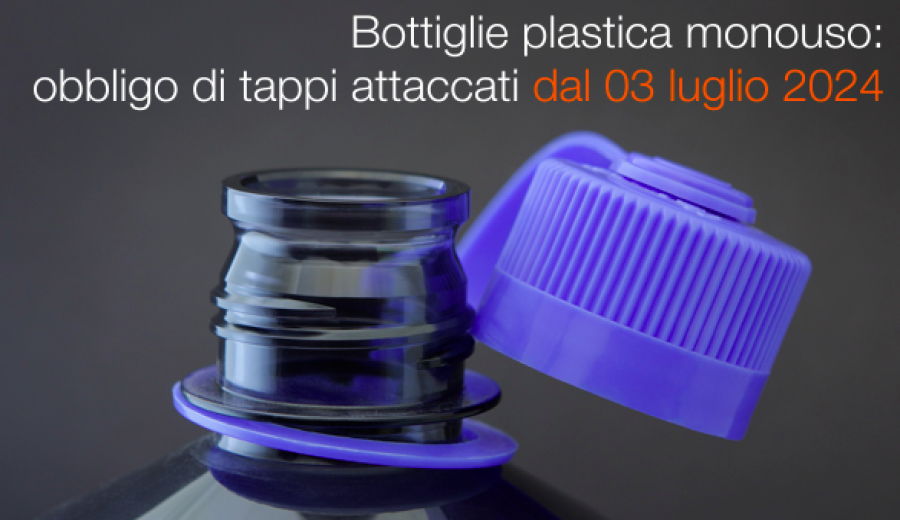
Introduction:Starting from July 2024, the European Union has fully implemented a regulation requiring that bottle caps for all beverage containers under 3 liters must remain attached to the bottles. The goal is to reduce plastic pollution, but the actual use of this policy has sparked considerable controversy. This article delves into the background of the regulation, consumer feedback, industry challenges, and explores the potential impact of this rule on the future packaging of coffee beverages.
From July 2024 onward, all beverage bottles under 3 liters sold within the EU must have their caps permanently attached to the bottles. This new rule originates from a 2019 EU directive aimed at reducing the environmental impact of plastic products. The policy aims to prevent bottle caps from being discarded carelessly, thereby reducing plastic pollution on both land and sea. Statistics show that up to 85% of marine litter in the EU is plastic, with single-use plastic products accounting for half of that, and detached bottle caps being one of the common sources of pollution.
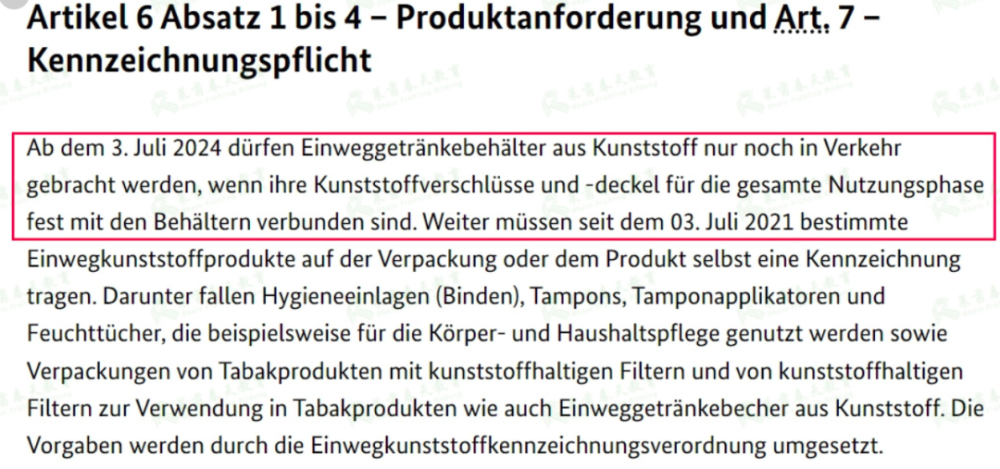
However, this environmentally motivated policy has led to several practical inconveniences since its implementation. According to the new regulation, starting from July 3, 2024, all beverage bottles under 3 liters that fall under the 2019 EU “Directive on the reduction of the impact of certain plastic products on the environment (EU Directive 2019/904)” and related waste regulations must adopt a tethered cap design—meaning the cap cannot be separated from the bottle. On the surface, such a design can reduce the loss and scattering of caps, thereby lowering the risks of environmental pollution and microplastic dispersion. But the actual user experience has fallen short of expectations.
Many consumers have reported that tethered caps can easily scratch their faces, with one user from London even stating: “Every time I drink, it feels like I’m wrestling with the bottle—it’s really annoying.” Additionally, due to the structural design, liquid residue inside the cap (such as juice or carbonated drinks) can easily smear on the face during use, causing a sticky and uncomfortable sensation. Some users have also mentioned that tethered caps are often difficult to tighten properly, leading to leakage during drinking and negatively affecting the overall experience.
If consumers attempt to remove the cap by force, they often end up dirtying their hands or the bottle, which significantly reduces convenience. For producers, tethered caps also present new challenges. The CEO of A.Le Coq, a major beverage producer in Estonia, pointed out that although they produce 45 million tethered-cap products annually, compared to traditional caps, they now need to use over 7 additional tons of plastic per year. Looking at the overall plastic usage, such a change might actually increase the environmental burden.
Despite complaints from both consumers and manufacturers, the original intention behind the EU’s regulation is still noteworthy. Statistics indicate that single-use plastic products make up a significant proportion of plastic waste in European waters, including many loose caps that are easily ingested by animals. On some beaches in the North Sea off Germany, more than forty plastic bottle caps have been found within just a hundred meters. Once these caps enter the ecosystem, they can cause serious harm—or even death—to wildlife.
Therefore, the EU hopes that through the tethered cap regulation, it can gradually raise consumer awareness of environmental protection and reduce unnecessary plastic pollution. However, how to strike a balance between environmental goals and user experience remains an ongoing issue for policymakers and the industry. For the coffee beverage market, future packaging designs will inevitably need to adapt to such environmental regulations. Balancing product convenience and appeal while meeting sustainability goals will be a major challenge for businesses.
Overall, while the EU’s tethered cap regulation is well-intentioned, there are still many areas where implementation needs refinement and improvement. Whether a better balance can be found among environmental, industrial, and consumer needs in the future is something worth continued observation.
The above content is compiled by CoffeeHunters, a coffee news website.


