








Introduction:Many pour over coffee enthusiasts hear the advice to "rinse the burrs" before grinding, but do you really understand its purpose? This article delves into the true aim of burr rinsing, including removing residual coffee grounds and burr oils to avoid affecting the pure flavor of the next cup. It also explains why blowing air cannot replace bean burr rinsing, and provides practical suggestions on the amount of beans to use for rinsing, ensuring that every extraction showcases the true flavor profile of the coffee beans.
In the pour over coffee brewing process, the step of "burr rinsing" is often emphasized by experienced baristas, yet many people’s understanding of it remains superficial. In fact, so-called "burr rinsing" is not just about regularly cleaning the grinder, but also includes a small action before each grind—its purpose is to ensure that each cup of coffee is unaffected by residues from the previous grind.
This article will help you clarify two commonly confused "burr rinsing" operations: one is the pre-rinse before each grind, and the other is the deep cleaning of the grinder done periodically. Although both aim to maintain the purity of coffee flavor, their methods and levels of impact are quite different.
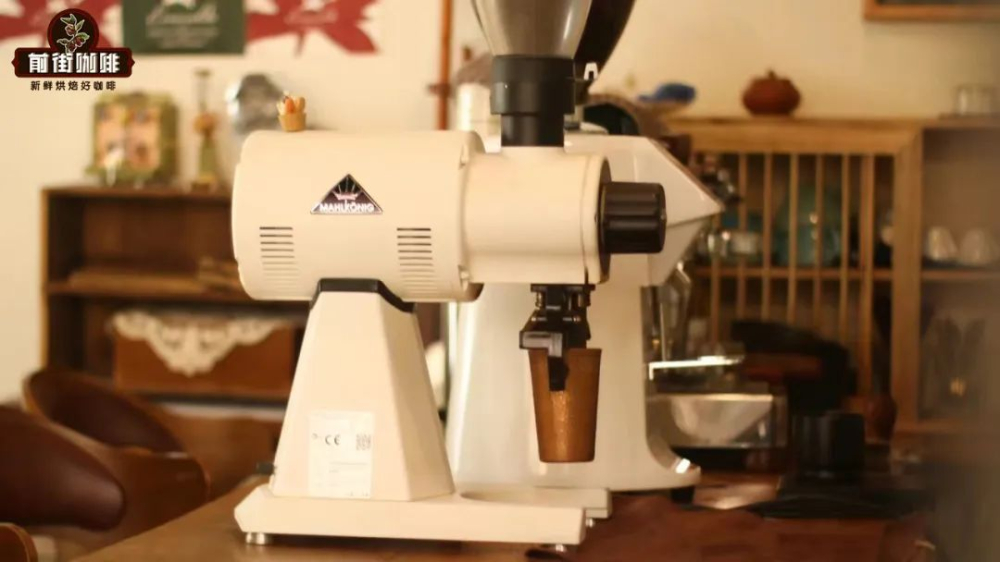
The so-called "pre-grind burr rinse" does not mean disassembling the grinder for a major cleanup, but rather grinding a small amount of the same batch of coffee beans before officially grinding the target beans. This simple action effectively removes any fine coffee powder and oils left inside the grinder, preventing them from affecting the extraction performance and overall flavor of the current beans.
Why do residual coffee grounds cause problems? During normal grinding, due to static electricity and the structure of the burrs, some extremely fine coffee particles may stick to the surface of the burrs or even get lodged in the crevices between them or in hard-to-reach corners inside the grinder. If these residual fine particles are not removed, they can mix into freshly ground coffee during the next grind, leading to flavor contamination, uneven extraction, and even unwanted off-flavors.
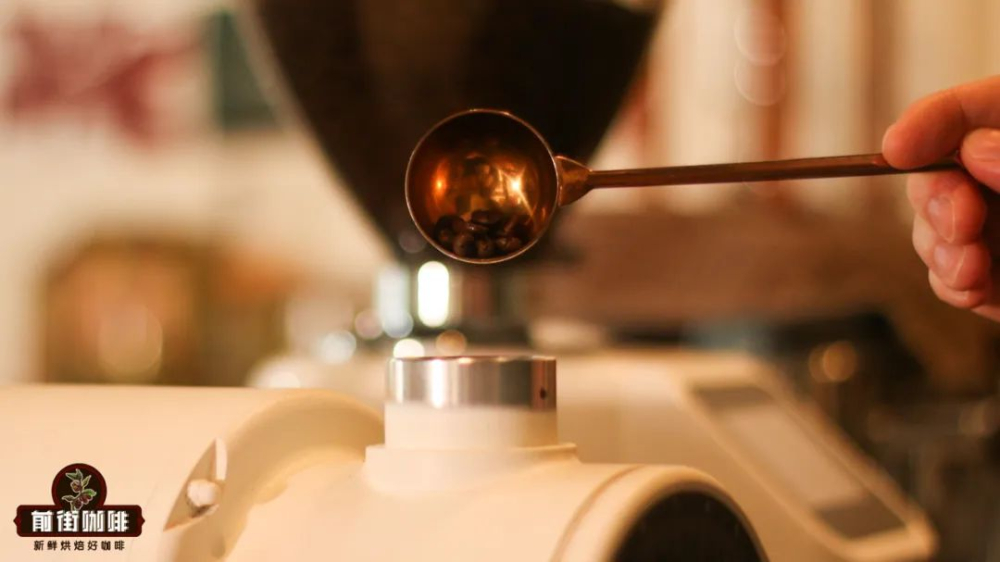
To avoid this, it’s recommended to perform a small pre-grind with beans from the same batch as the target coffee before each grind. The typical suggested amount is about:1 gram, roughly equivalent to4 to 5 medium-sized coffee beans. This amount is enough to effectively push out old residues without being excessively wasteful—an empirical value derived from practical experience among many professional baristas.
Some users might think that using an air blower to clean the inside of the grinder can achieve a similar effect—quick and bean-saving. However, this method can only remove surface coffee dust and is virtually ineffective against oils that have adhered to the burrs or deeper residue.
During the grinding process, especially with medium to dark roast beans and above, a certain amount of natural oils is released. While these oils can enhance the aroma and body of the coffee, if they remain on the burrs, they become an invisible factor that can disrupt the flavor of the next cup. These oils may carry the flavor characteristics of the previous batch of beans and could also, through oxidation or spoilage, affect the extraction texture and taste balance of freshly ground coffee.
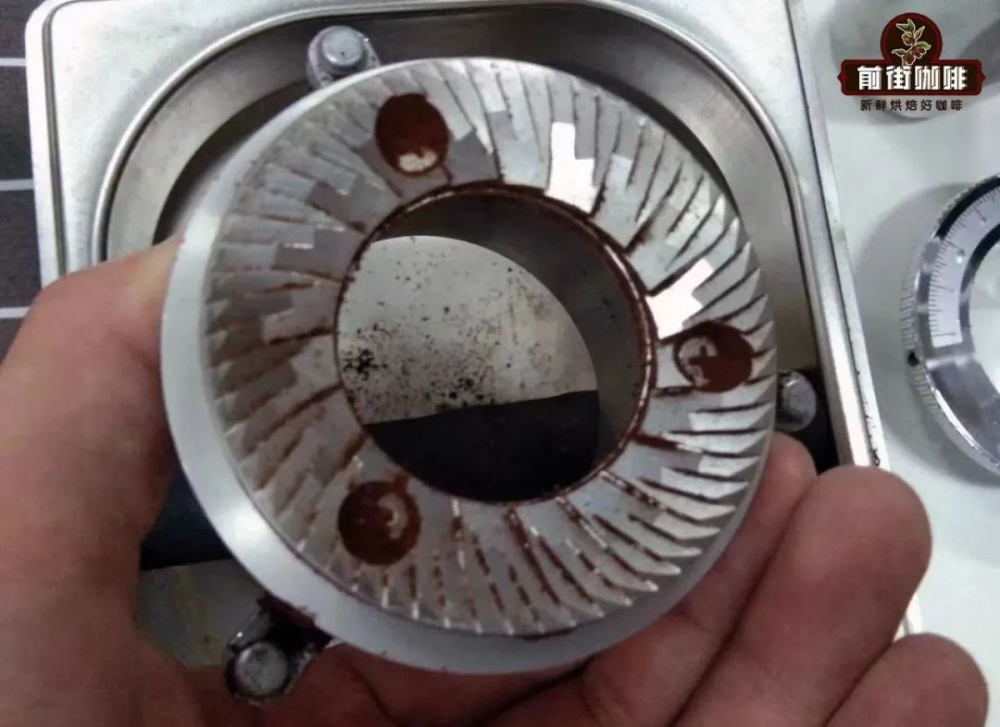
Furthermore, these residual oils act like a "flavor memory," gradually accumulating and altering the extraction characteristics of the grinder. If not cleaned for a long time, even when switching coffee bean varieties, you might still taste the "aftertaste" of the previous batch. This is also why using an air blower alone cannot fully replace burr rinsing with beans.
Therefore, burr rinsing is not just about cleaning, but also about maintaining the purity and consistency of each extraction. Especially for pour over lovers who pursue the true essence of coffee flavor, this seemingly minor step can significantly elevate the overall drinking experience.
Of course, burr rinsing cannot fully replace the periodic deep cleaning of the grinder. If you notice that your coffee grounds often have noticeable off-odors or if the extracted flavors become increasingly unstable, it might be time for a full grinder disassembly and cleaning. This is generally recommended every few weeks or based on usage frequency, and you can refer to professional grinder cleaning guides for the procedure.
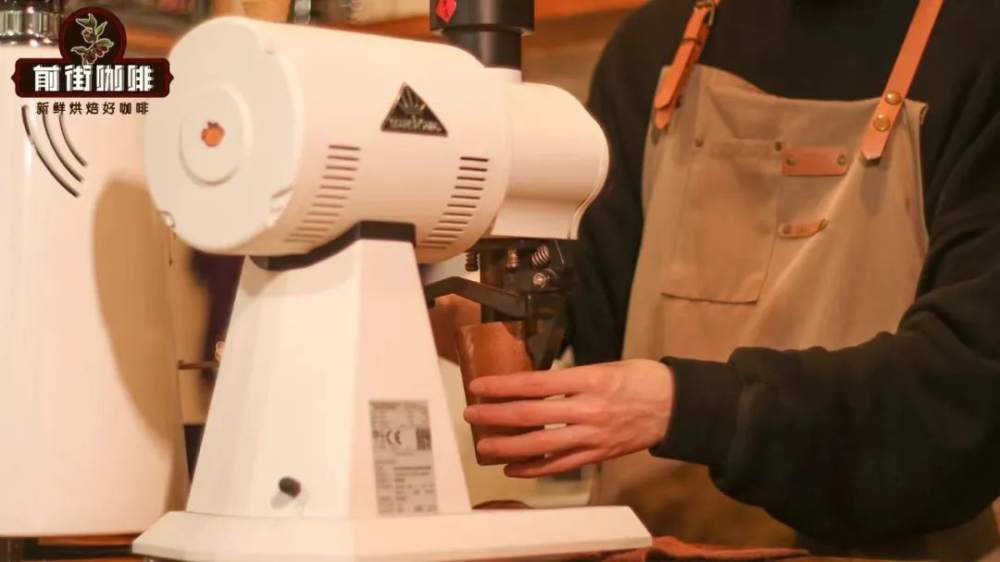
In summary, burr rinsing is a small but often overlooked detail in the pour over coffee process that can have a key impact on the final extraction result. By performing a small pre-grind with beans from the same batch before each grind, you can effectively remove residual coffee and oils, allowing each cup of coffee to showcase the most authentic and pure flavor traits of that particular batch.
Next time you’re preparing to pour over a beloved batch of coffee beans, take a few seconds to perform this simple burr rinse step—you might just find that the difference in flavor lies within these tiny details.
The above content is compiled by CoffeeHunters, a coffee news website.


