







Introduction:There is a wide variety of coffee beverages and brewing methods, which often confuse beginners. This article explains in detail the definitions and characteristics of espresso, Americano, drip, and immersion coffee, and delves into the fundamental differences between three-pour and single-pour pour-over techniques. It helps readers build a clear understanding of coffee knowledge while providing practical bean selection advice and extraction parameter references.
The world of coffee is filled with a myriad of specialized terms. Many names may sound similar but actually refer to completely different concepts. Terms like espresso coffee, American coffee, and drip coffee—those with the character “式” (style/method)—some represent specific drinks, some describe brewing processes, and others even refer broadly to entire categories of coffee. Meanwhile, three-pour and single-pour have nothing to do with the coffee itself, but refer to brewing techniques. This article will break down these easily confused terms step by step, helping beginners clarify their thinking, and includes practical advice on bean selection and extraction.
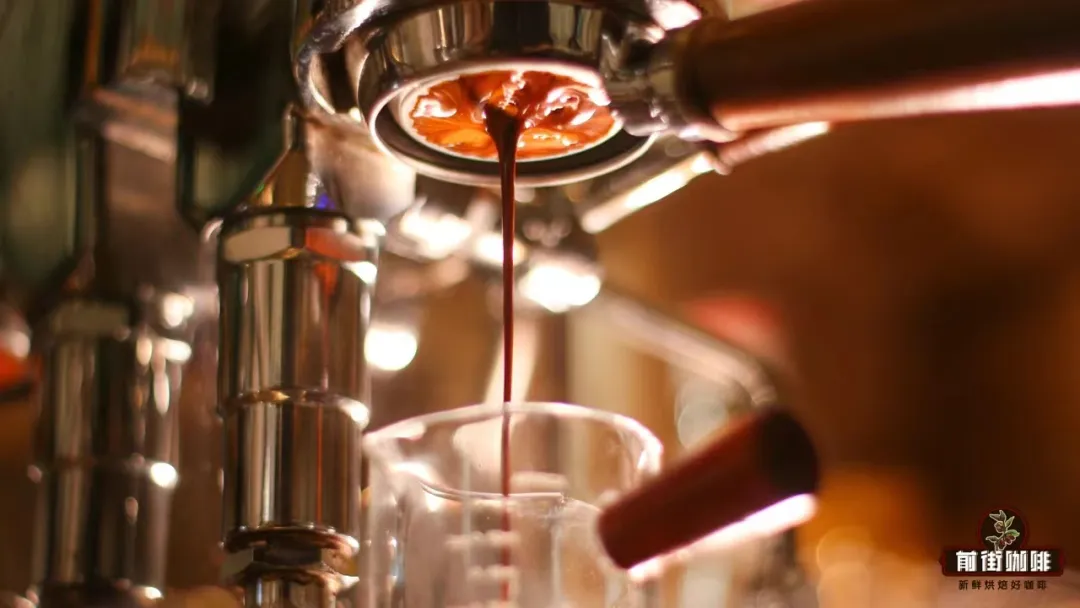
Let’s start with espresso coffee. Originally, this term specifically referred to the concentrated coffee made using a semi-automatic coffee machine. Since these machines originated in Italy, the resulting high-concentration coffee became commonly known as espresso, and the corresponding equipment is also called an espresso machine. However, because espresso is highly concentrated and has a strong bitter taste, not all consumers can easily accept it. As a result, it became common practice to add milk or other ingredients to balance the flavor. Over time, espresso came to refer not just to the concentrated coffee itself, but to a broad category of specialty coffee drinks based on espresso, such as lattes, cappuccinos, and flat whites.When making espresso, it is recommended to use espresso blends specifically designed for concentrated coffeeto achieve an ideal flavor balance.
American coffee is an extension of the espresso family. Simply put, it is diluted espresso made by adding water. Legend has it that during World War II, American soldiers, upon first trying espresso, found its intense bitterness inconsistent with their preference for milder drinks, so they asked the baristas to dilute the espresso with water. Surprisingly, this water-diluted coffee, with its moderate intensity and refreshing taste, was well received and gradually became a standard drink, referred to by shop owners as “American coffee.” This type of coffee emphasizes a refreshing taste, moderate intensity, and retains coffee aroma, making it suitable for those who dislike overly bitter flavors.If you’re seeking a low-bitterness option, you might prioritize blends with fruity flavor profilesfor a softer taste.
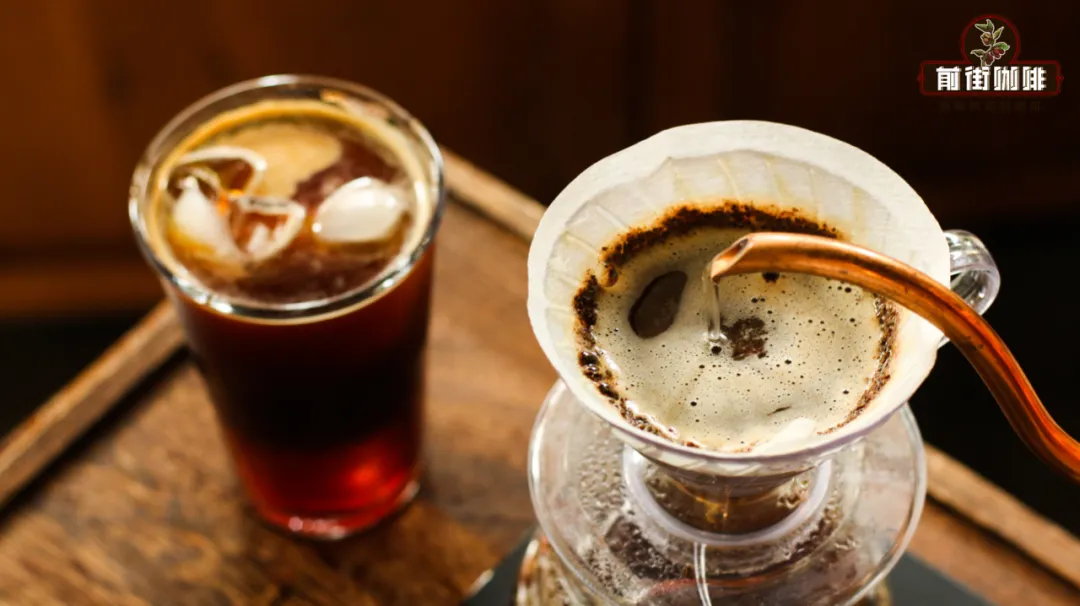
Drip coffee is a common brewing method, and its principle can be understood as “filtered extraction.” The specific process involves placing coffee grounds in a filter device such as a dripper, then pouring water through the coffee layer. The water extracts flavor compounds from the grounds, and the resulting liquid coffee drips through a medium such as paper filters, cloth filters, or metal mesh into a container below, leaving the coffee grounds on top. This method is suitable for most single-origin coffee beans,and beginners can start with entry-level everyday beans. For example, those who prefer a full-bodied and low-acid flavor can choose Indonesian Mandheling, Brazilian Cerrado, or Colombian Huila; if you enjoy fresh floral and fruity acidity notes, you might try beans from regions like Yirgacheffe or Tarrazú in Costa Rica. Whether using paper filters, cloth filters, or metal mesh, these tools can effectively separate coffee grounds from the extracted liquid, completing the drip coffee brewing process.
In contrast to drip coffee is immersion brewing. This method is simpler—you simply mix coffee grounds with water and let them steep until the flavor compounds are fully extracted, then the coffee is ready to drink. The biggest difference between immersion and drip brewing is that the former does not rely on water flow or external pressure; it depends solely on the contact time between water and coffee grounds, as well as the efficiency of dissolution, to determine the extraction outcome. Once the steeping time is up, you pour out the coffee liquid to complete the extraction. This method, due to significantly reduced manual interference, often highlights the original flavor characteristics of the coffee itself. However, because it lacks the layering process, the flavor profile is usually more straightforward compared to drip coffee.Paying attention to steeping time and coffee-to-water ratio is key to influencing the final flavor.
Beyond the aforementioned “style/method” terms, we often encounter terminology like three-pour and single-pour. These terms do not describe the coffee itself, but specifically refer to pour-over brewing techniques. Among the many drip brewing methods, pour-over is popular due to its flexible operation and diverse adjustable parameters. Enthusiasts can explore different flavor expressions by controlling variables such as water temperature, grind size, pouring speed, and pouring stages. Three-pour and single-pour are two classic pour-over techniques—their difference lies in the design philosophy of pouring stages and extraction rhythm, which in turn affects the final flavor layers and balance of the coffee.Understanding the essence of these techniques helps refine pour-over skills and flavor control ability.
In summary, although espresso, Americano, drip, and immersion coffee, as well as three-pour and single-pour techniques, may share similarities in name, they actually refer to coffee definitions and techniques at different levels. From beverage types, brewing methods, to technique details, each term carries a distinct and unique meaning. By grasping these basic concepts, beginners can more systematically explore the world of coffee and choose suitable beans and brewing methods based on personal taste preferences.
The above content is compiled by CoffeeHunters, a coffee news website.


