







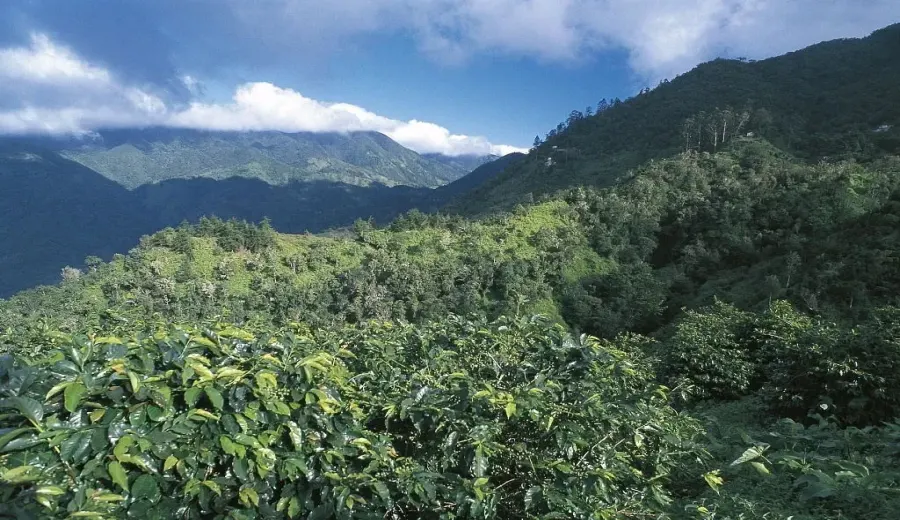
Introduction:Kenya’s coffee industry is caught in a dual crisis of declining production and policy upheaval. The 2024/25 season is projected to yield just 750,000 bags, a 6.3% year-on-year drop, while new regulations are disrupting the supply chain, posing severe challenges for farmers and exporters alike. This article delves into the main causes of the production decline, details of the new policies, and how these changes are impacting the global coffee market, helping readers understand the key factors at play.
Kenya’s coffee industry is facing its most severe test in decades. According to the latest analysis by the USDA, due to the continuous reduction in coffee-growing areas and seasonal heavy rains, the total coffee output for the 2024/25 season (typically from October to September) is expected to fall to 750,000 bags—each bag weighing 60 kilograms—a 6.3% decrease from the previous year. Meanwhile, coffee exports are also projected to decline by about 4%, reaching only 720,000 bags, dealing a significant blow to Kenya’s economy and farmers’ incomes, which heavily rely on coffee exports.
Currently, Kenya’s actual coffee-harvested area is around 105,000 hectares, but for a long time, many traditional coffee farms have gradually been converted to more profitable real estate uses, one of the main reasons for the sharp decline in planting area. In addition, the Kenya Coffee Research Institute, the country’s only officially certified supplier of planting materials, has been unable to stably provide high-quality seedlings and seeds in recent years due to funding shortages, making it difficult for new or expanding farmers to obtain essential resources, further stifling the potential for production growth.
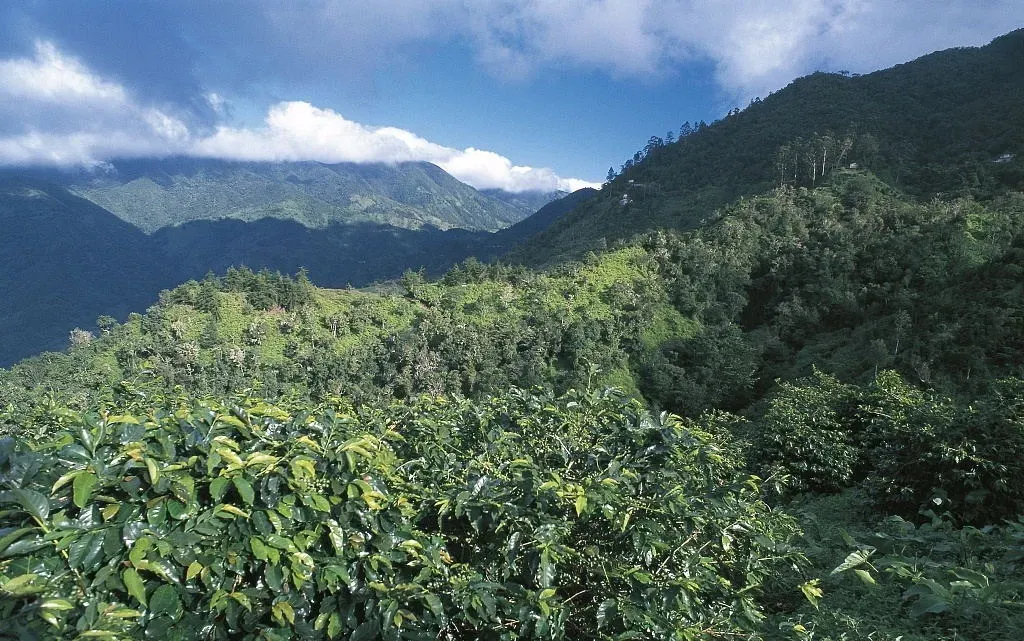
Policy-level upheavals have also had a profound impact on the industry. Since July 2023, the Kenyan government has officially implemented the Coffee Regulations 2019 and the Capital Markets (Coffee Exchange) Regulations 2020. These new rules strictly limit any single enterprise from holding multiple licenses across the coffee supply chain, aiming to enhance transparency and reduce monopolies. However, the reforms have also led to the complete discontinuation of services previously provided by some large marketing agents, such as seeds, technical support, and market expansion, which has particularly affected small and medium-sized farmers.
Another major change is that all transactions conducted through the Nairobi Coffee Exchange (NCE) must now be processed through a newly established “Direct Settlement System” (DSS), managed by the Kenya Cooperative Bank. While the system was initially expected to improve transaction efficiency and farmers’ earnings, widespread payment delays have emerged in the early stages of its operation, leaving many farmers facing cash flow crises.
The new regulations also pose challenges for coffee processing and export. Under the new rules, farmers can now only send harvested coffee cherries to processing facilities operated by the newly formed New Kenya Planters Cooperative Union (NKPCU) or its affiliated cooperatives. However, some smaller processing plants, lacking equipment upgrades and logistics support, have resulted in delays in cherry processing or even rotting, severely affecting the final bean quality and yield.
Due to the aforementioned factors, Kenya’s coffee export performance has also significantly declined. Since the reforms were implemented in July 2023, both the trading volume and average price at the Nairobi Coffee Exchange have dropped sharply. In August 2023, the trading volume hit a historical low, with only 3,038 bags (calculated at 50 kilograms per bag) sold. The market only began to stabilize slightly by March 2024. Fortunately, the recent rebound in international coffee prices has slightly boosted export volumes and prices, with the 2024/25 export volume still expected to reach 720,000 bags.
In terms of export markets, the United States has consistently been Kenya’s largest buyer, followed by European and Asian countries such as Belgium, Germany, South Korea, and Sweden. As the EU implemented the stricter EUDR (EU Deforestation Regulation) starting in 2023, requiring imported coffee to provide complete documentation on land use and environmental responsibility, Kenyan exporters have had to comply by conducting land mapping and establishing traceability systems, further increasing compliance costs and administrative burdens. Moving forward, whether the Kenyan government provides sufficient resources to help farmers and exporters meet EUDR standards will be key to their international market competitiveness.
The above content is compiled by CoffeeHunters, a coffee news website.


