







Introduction:Many coffee enthusiasts wonder: can dark-roasted espresso beans be used for pour over? What’s the fundamental difference between single-origin beans and blends? In fact, these questions are closely related to the intended use of the coffee beans, their roast levels, and brewing methods. This article delves into the characteristics of single-origin and espresso beans, helping you understand their key differences in flavor, roast degree, grind size, and suitable brewing methods. It also offers practical advice so you can adjust your brewing strategy based on different bean types to enhance extraction quality.
In the world of coffee, you often come across interesting and challenging questions such as: “Can dark-roasted espresso beans be extracted using a pour over method?” or “What’s the real difference between espresso beans and single-origin beans?” These questions actually reflect how brewing methods significantly influence the characteristics of coffee beans.
Generally speaking, single-origin beans emphasize showcasing the unique flavors of a specific region, are commonly light roasted, and are suitable for brewing methods like pour over, siphon, or AeroPress. These methods better highlight floral, fruity notes, and a clean taste profile. On the other hand, espresso beans are mostly blends, roasted to medium-dark or dark levels, aiming to deliver a rich, full-bodied, and stable flavor when extracting espresso, and are well-suited for pairing with milk in various specialty coffee drinks.
Although technically it is possible to use single-origin beans for making espresso, and dark-roasted espresso beans can also be tried with pour over, their original design purposes are fundamentally different. Therefore, parameters such as grind size, water temperature, and extraction time need to be adjusted accordingly to avoid over-extraction or under-extraction.
First, let’s understand what single-origin coffee beans are. Single-origin beans refer to coffee beans that come from a single origin, a single variety, and sometimes even a single batch. Since 1978, when the “mother of specialty coffee” Mrs. Erna Knutsen promoted the concept of specialty coffee, the industry has gradually placed more emphasis on the origin characteristics and processing methods of coffee, resulting in single-origin beans with clearer, cleaner flavors and more traceable production backgrounds.
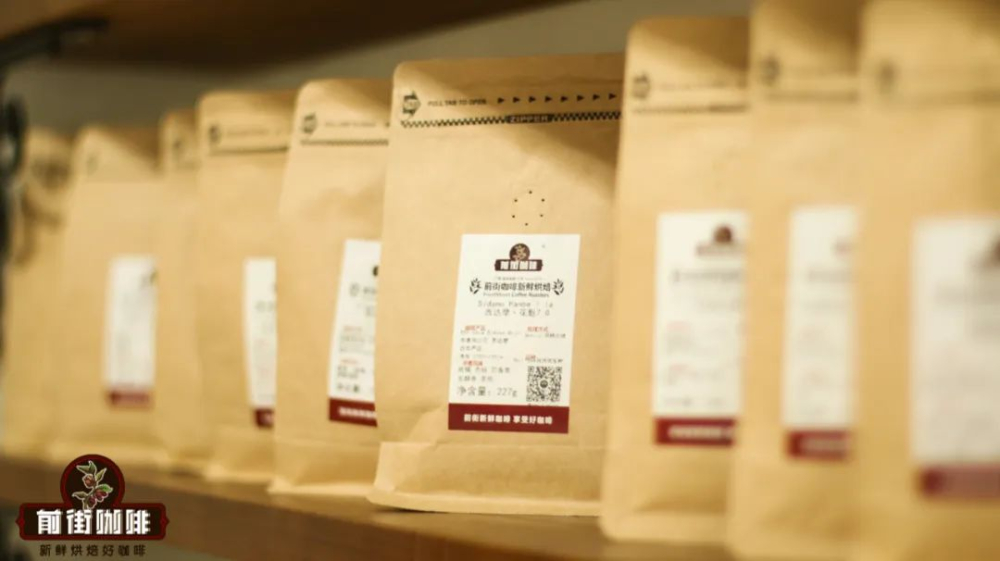
On the packaging, single-origin beans usually display detailed information including variety, origin, altitude, and processing method, allowing consumers to gain a deeper understanding of the bean’s background and potential flavor profile.These beans are best brewed using pour over or filtration methods, as these techniques can delicately highlight their regional characteristics—such as the citrus and floral notes common in African beans, or the nutty and chocolatey tones of Central and South American beans.
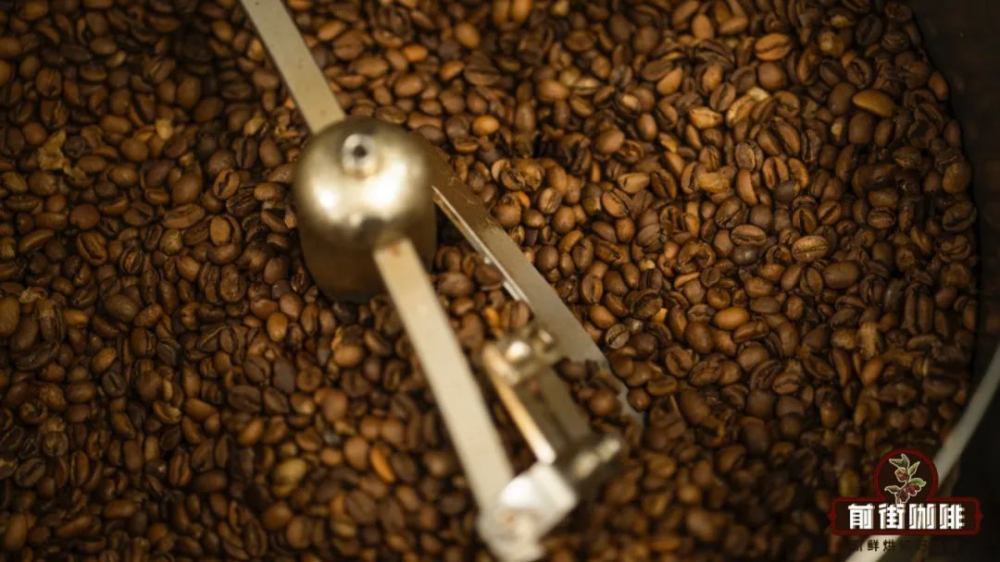
To fully release these unique flavors, single-origin beans are typically roasted toa lighter roast level, which helps preserve the acidity, fruity and floral aromas, and sweetness of the beans. Of course, there are exceptions—for example, Blue Mountain coffee or Indonesia’s Mandheling, which have inherently bold flavors, may sometimes be medium-dark roasted but are still categorized as single-origin beans.
Now let’s look at espresso beans. In most cases, the beans used for espresso are blends, meaning coffee beans from different origins and varieties are mixed in certain proportions to achieve balanced and stable flavors. The goal of blending may be to enhance body, complement sweetness, or balance acidity and bitterness, ensuring the final extraction meets the expectations of the café or consumer.
Some blends, aimed at cost control, may use commercial-grade beans; whereas high-quality espresso blends select premium single-origin beans as a base and further improve overall performance through blending techniques. Regardless of the type, espresso beans are generally roasted tomedium to medium-dark, or even dark roast levels. Such roast levels bring out intense caramel, nutty, and chocolatey aromas, and help form a rich crema (coffee foam) during extraction, contributing to a fuller mouthfeel.
Additionally, since espresso is often used to make milk-based drinks like lattes and cappuccinos, if the roast is too light, the coffee’s flavors can easily be overshadowed by the sweetness and creaminess of the milk. Therefore,beans with a darker roast level pair better with milk. Even single-origin espresso (SOE), when intended for espresso use, is usually roasted slightly darker by the roaster to suit the high-pressure extraction environment of espresso machines.
In terms of packaging and purchasing, espresso beans are often sold in larger sizes such as 1 pound (approximately 454 grams) or 1 kilogram, and are relatively more affordable. In contrast, single-origin beans mostly come in smaller packages of half a pound (approximately 227 grams) or less, making it easier for consumers to try different regional flavors and reduce quality loss due to rapid flavor degradation.
Finally, if you really want to try using espresso beans for pour over, or single-origin beans in an espresso machine, it’s essential to adjust the grind size and other parameters. For example, a light-roasted single-origin bean used in an espresso machine should be ground finer to increase contact surface area; conversely, a dark-roasted espresso bean used for pour over should be ground coarser to avoid over-extraction that brings out excessive woody or astringent notes.
In summary, single-origin beans and espresso beans each have their strengths and ideal uses. Understanding their differences allows you to choose the most suitable brewing method based on the beans’ characteristics, thereby enjoying the most authentic and captivating side of coffee.
The above content is compiled by CoffeeHunters, a coffee news website.


