








Introduction:Did you know that the history of coffee with cream can be traced back to 17th-century Austria? From the original recipes of early Blue Bottle coffee houses, to evolving into the familiar cappuccino we know today, and even the “Viennese-style” specialty drinks beloved by Korean influencers—this article will take you on a journey through the hundred-year fusion of cream and coffee. Not only will it explore the traditional methods of making Espresso con Panna and Viennese coffee, but it also provides a detailed step-by-step guide to recreating the Korean-style Viennese coffee, allowing you to grasp everything from history to hands-on practice in one go.
The pairing of cream and coffee is not just a treat for the taste buds, but also a journey through centuries of culinary cultural evolution. The earliest origins of coffee with cream can be traced back to 17th-century Austria. Starting with the “original Blue Bottle recipe” created to suit local tastes, it has evolved all the way to today’s cappuccino, and even popular drinks in Korean cafés. This article will take you deep into the story of coffee with cream across time and space—from its historical origins, classic preparation methods, to modern creative variations—giving you a comprehensive grasp of key knowledge and practical techniques.

Why does cream pair so well with coffee? This dairy product has a smooth texture and rich flavor. Though it may taste overly sweet on its own, when paired with coffee, it softens the bitterness and enhances the overall flavor profile. In the professional coffee world, “cream” refers not only to the actual ingredient added, but is also often used to describe the mouthfeel of a drink—as smooth and velvety as cream—or to refer to the lingering aftertaste reminiscent of cream’s aroma. With this background in mind, we can better understand that the role of cream in coffee culture is far more diverse and profound than one might imagine.
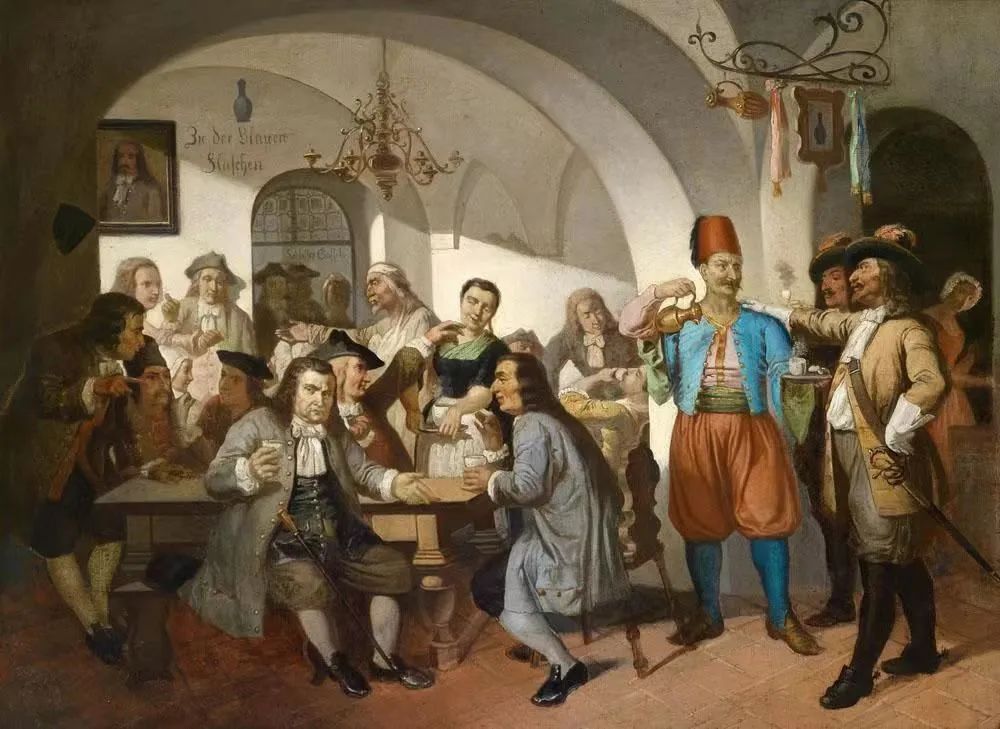
Looking back in history, the earliest recorded instance of adding cream to coffee originated during the 1683 siege of Vienna, Austria. At that time, Polish soldier Jerzy Franciszek Kulczycki was richly rewarded for successfully lifting the siege, including a large quantity of coffee beans left behind by the Turks. He subsequently opened the first Blue Bottle coffee house in Vienna. Initially following Turkish customs, he boiled the coffee along with the grounds for drinking—but this method did not appeal to the Austrians. So Kulczycki improved the process by using a cloth bag to filter out the grounds, and added cream, honey, and spices for flavoring, creating the “first-generation coffee with cream” suited to local tastes.
This new-style coffee was typically served in small glass cups. When the cream mixed with the coffee, it produced an attractive reddish-brown color, reminiscent of the robes worn by the Capuchin monks in the area, and thus was affectionately called “Kapuziner” by the Viennese—later phonetically translated as “卡普欽呢” (Kǎpǔqīnní). As this drink spread to Italy and combined with emerging espresso machine technology, Italians replaced the traditional brewing method with espresso, and substituted steamed milk for cream—giving rise to what we now know as the cappuccino. One could say that coffee with cream gave birth to the prototype of the modern cappuccino.

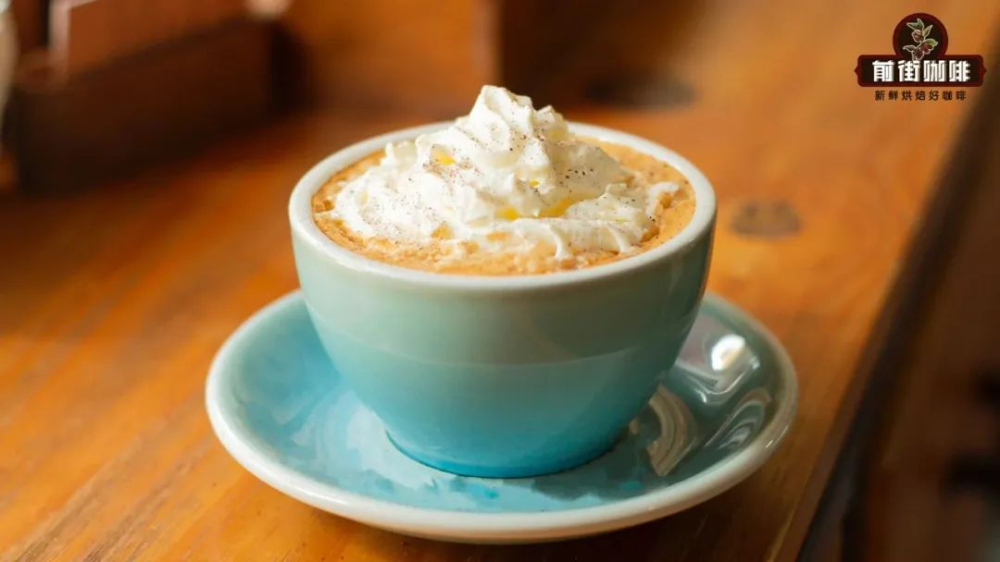
Although coffee with cream has since developed many variations, its earliest form has not completely disappeared but continues to this day in the forms of Espresso con Panna and Viennese coffee. Espresso con Panna, as the name suggests, is “espresso with cream.” Its preparation is extremely simple: on top of a freshly extracted shot of espresso, two to three swirls of fresh cream are added. It is not recommended to stir when drinking, allowing the cool cream and rich coffee to naturally blend in the mouth. The cream brings a marshmallow-like velvety texture, adding more layers to the overall flavor. However, due to its strong taste, it remains a more niche coffee choice.
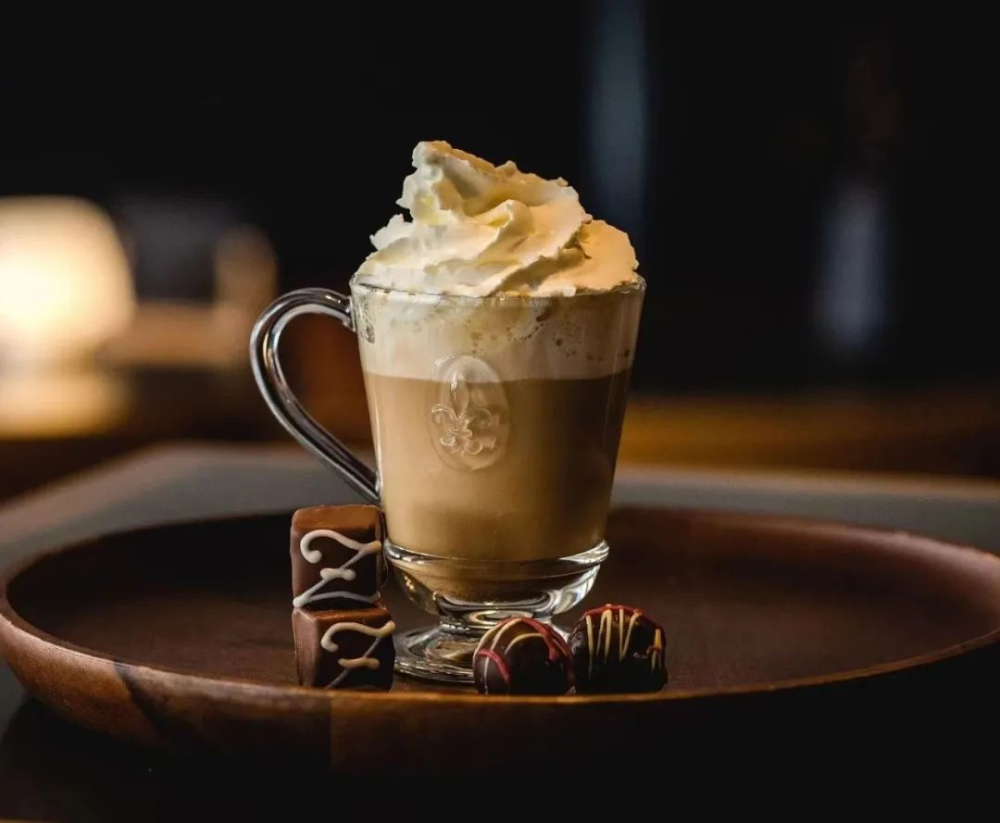
Another classic, Viennese coffee, features a thick layer of fresh cream on top of a shot of espresso, sprinkled with toppings such as cinnamon powder, chocolate shavings, or crumbled cookies. Traditionally, this coffee is served in a tall glass with handles. A teaspoon of white sugar is placed at the bottom of the cup, followed by about half a shot of espresso, then topped with lightly whipped cream, and finally sprinkled with flavoring toppings. This coffee was originally designed to help winter coach drivers replenish energy in the cold, thus combining the functions of stimulation, warmth, and satiety.
In modern times, coffee with cream has taken on more creative interpretations, no longer limited to traditional European methods but also blending with various global food cultures and aesthetic trends. For example, Starbucks’ secret menu item “Iced Americano with Light Cream” is a minimalist version inspired by the concept of Viennese coffee—simply combine ice, espresso, and light cream, letting the cream naturally settle and blend with the coffee to create attractive layers. The contrast between the rich sweetness and the cool coffee delivers a striking sensory experience upon drinking.
Additionally, Korean cafés have recently introduced highly visually appealing “layered cream Viennese coffee,” which stacks whipped cream prepped to a yogurt-like consistency in layers over coffee, resulting in a delicious and photogenic specialty drink. This beverage is not only great for photos but also relatively easy to make, making it perfect for recreating at home.
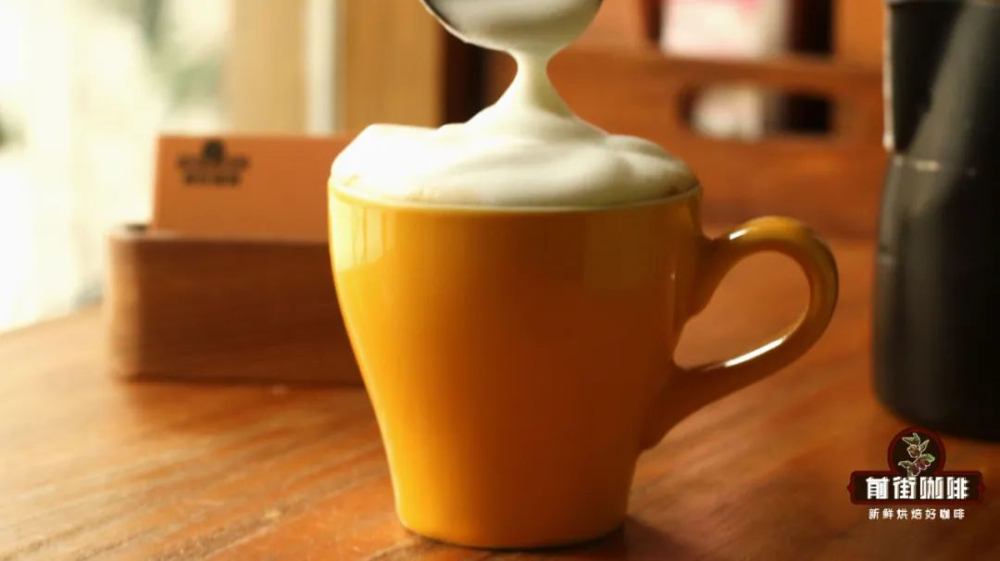
To make this Korean-style Viennese coffee at home, you’ll need the following ingredients: light cream, vanilla syrup, double espresso, milk, and ice cubes. First, pour 80 grams of light cream into a mixing container, add 15 grams of vanilla-flavored syrup, and whip until it reaches a semi-solid, yogurt-like consistency—when the surface is slightly peaked and doesn’t immediately collapse. Next, take a small cup, add about 50 grams of ice cubes, pour in milk to about six-tenths full, layer on the freshly whipped vanilla cream, and drizzle with a double shot of espresso. Finally, use a spoon to scoop 1 to 3 dollops of cream to garnish the coffee, and optionally sprinkle cocoa powder on top to complete this influencer-worthy Viennese coffee.
From the post-war Blue Bottle coffee houses of Austria to today’s social media-favorite influencer drinks, the combination of cream and coffee showcases the timeless charm of culinary culture. Whether you prefer the classic Espresso con Panna or decide to challenge yourself with a creative Korean-style coffee with cream, this history and these techniques are well worth exploring and practicing for every coffee enthusiast.
The above content is compiled by CoffeeHunters, a coffee news website.


