







Introduction:Recently, Manner Coffee has been involved in two consecutive incidents of intense disputes between staff and customers — ranging from spilled coffee powder to physical altercations — highlighting underlying issues within the rapidly expanding coffee industry. This article delves into the human resource allocation problems behind these events, explores how to maintain service efficiency while safeguarding employee mental health, and offers improvement suggestions for both consumers and the industry.
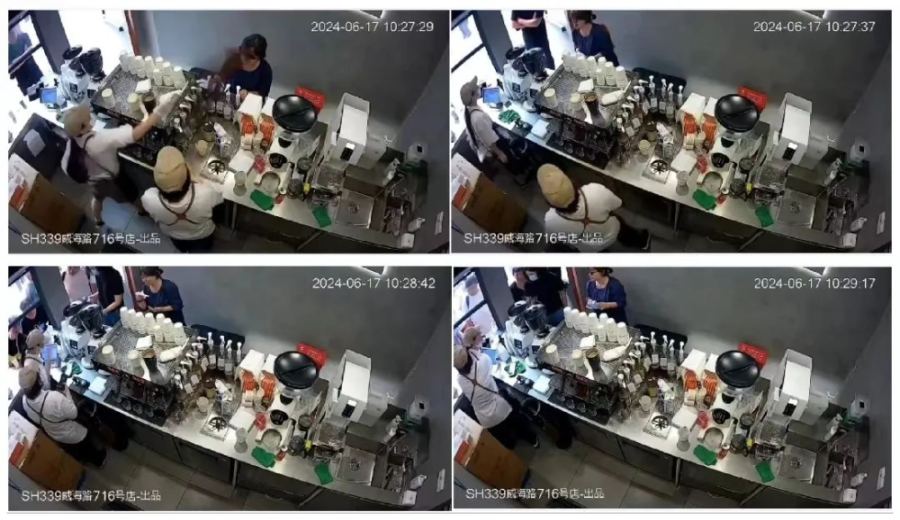
Recently, the chain coffee brand Manner experienced two serious staff-customer conflicts at its Shanghai outlets, sparking widespread discussion within the industry about the working conditions of baristas. The first incident occurred on the morning of June 17th, where a dispute over service speed led to one staff member losing control of their emotions and throwing freshly ground coffee powder directly at a customer who was urging for their order, leaving the customer’s clothes and face covered in powder.
Surveillance footage shows that after the customer repeatedly asked for their drink to be made faster, the barista inside the counter suddenly had an emotional outburst. Not only did they shout back, “Go ahead and complain,” but they also slammed the counter to vent their frustration. Despite attempts by colleagues to calm the situation, the conflict escalated. The brand later confirmed that the involved employee had been dismissed and emphasized that it would strengthen staff management.
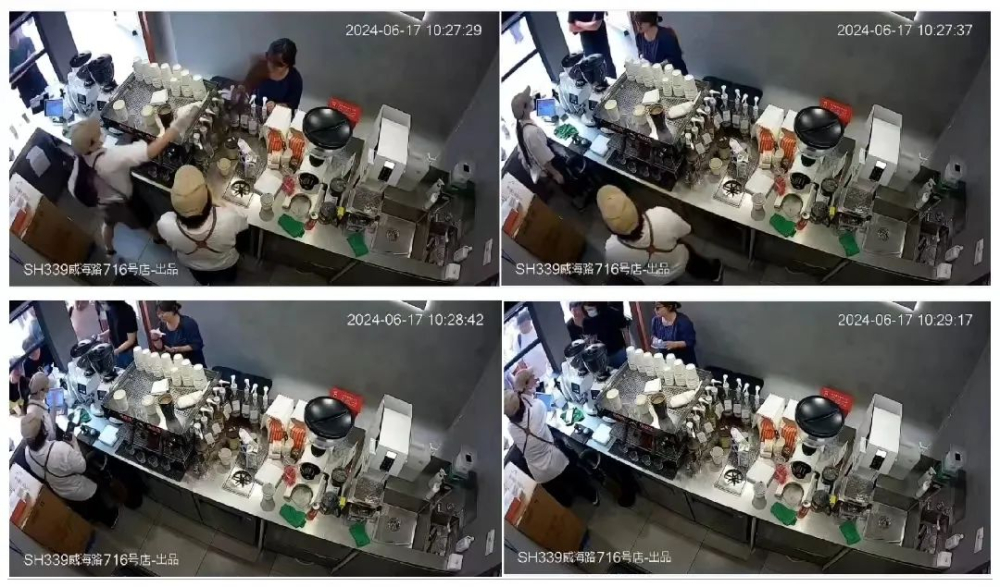
Earlier that same day, a similar dispute was reported at another Manner outlet. Video footage shows that the barista, repeatedly urged by a customer, explained the preparation time needed for a pour over order multiple times. Even after issuing a refund, the situation turned physical when the customer continued filming and threatened to file a complaint. The barista tried to grab the phone to delete the video, and the situation was only calmed down after bystanders intervened.
These incidents have exposed long-standingstaffing shortagesat Manner. Industry insiders point out that many of the brand’s outlets are staffed by just a single employee during peak hours, making it difficult to even meet basic needs such as using the restroom or preparing ingredients. Social media platforms are filled with consumer accounts of “watching baristas scrambling around helplessly,” with some customers expressing heartache, saying, “The calm surface of the staff is about to break.”
Experts analyze that modern café operations face a dilemma between “efficiency and humanity”: maintaining the competitive edge of fast service while ensuring employees have a reasonable work pace.Ideally, busy outlets should be staffed with at least 2–3 rotating employeesand establish clear SOPs for communicating with waiting customers — for example, proactively offering discount options when wait times exceed estimates.
Consumer behavior experts suggest adopting a “three-step communication approach” when facing service delays: first, observe the busyness of the outlet; then, start the conversation with, “I know it’s very busy right now”; and finally, make specific requests such as, “Could you let me know the estimated completion time?” This approach can reduce the barista’s defensiveness and minimize misunderstandings.

Industry observers note that although these incidents appear to stem from individual mishandling by staff, the root cause lies in the failure of chain coffee brands to simultaneously improve human resource training and psychological support systems during rapid expansion. It is recommended that operators establish a “stress early-warning mechanism,” such as conducting anonymous surveys to regularly assess employee workload, and implementing rotational rest systems during peak hours.
For consumers, understanding the professional demands of coffee preparation (e.g., a pour over takes 3–5 minutes, steaming milk takes about 1 minute per cup) can help adjust expectations reasonably. As for operators, it is necessary to re-examine the business mindset of “using speed as the sole metric” and seek a balance between service quality and employee well-being.
The above content is compiled by CoffeeHunters, a coffee news website.


