








Introduction:Want to elevate the flavor of your pour over coffee by adjusting water quality, using cooling tools, and pairing with the right tasting cup? This article takes the classic Huakui coffee beans as an example, testing the differences between conventional brewing and an upgraded setup. From TDS control and the science behind ice ball cooling to aroma-focused cup designs, we break down how each element impacts the sensory experience — and reveal the results of a blind tasting. Whether you’re a beginner or a seasoned enthusiast, you’ll learn reproducible optimization techniques.
In the world of pour over coffee, water quality, cooling methods, and cup selection are often treated as separate variables. But what if you upgrade all three at once? Could that create a more noticeable difference in flavor? One brand designed a scientific controlled experiment featuring the popular Huakui beans: one group used traditional parameters (spring water, no cooling tool, regular espresso cup), while the other incorporated blended water concentrate, a Paragon ice ball, and a professional aroma cup. The brewing parameters remained identical, with changes observed solely through the addition of key tools.
The results were surprising — when all elements were optimized together, the coffee showed identifiable improvements in acidity brightness, sweetness layering, and aroma longevity. Below, we detail the function and test results of each tool, providing coffee lovers with a complete upgrade solution.

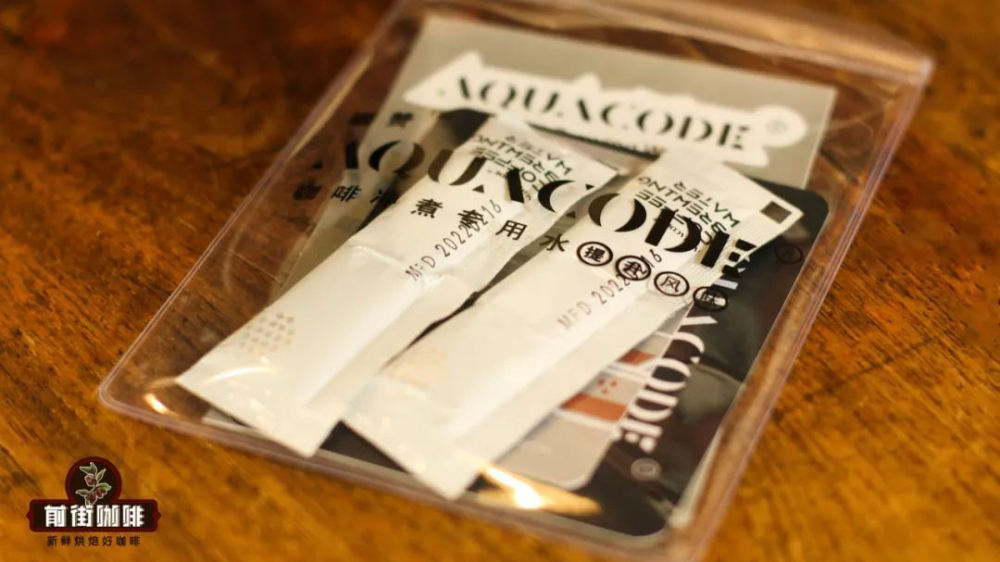
Key Tool #1: Blended Water Concentrate
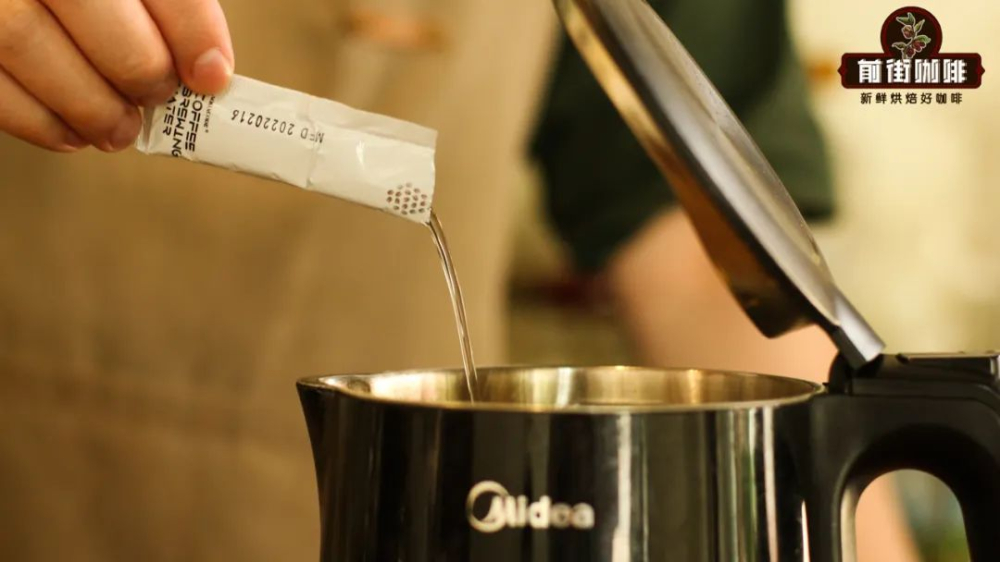
Though water may look clear and tasteless, it contains key minerals like calcium and magnesium that directly affect coffee extraction efficiency and flavor expression. The mineral ratios in tap water are often unbalanced, which can lead to over-extraction or off-flavors. The “blended water concentrate” used in this experiment was precisely formulated to achieve a balanced mineral ratio. When mixed with purified water, it produces water with a TDS of 85ppm — the “golden standard” that fully highlights the berry-like sweetness of Huakui beans while avoiding excessive minerals that could inhibit extraction. Simply mix according to the ratio for professional-grade brewing water.
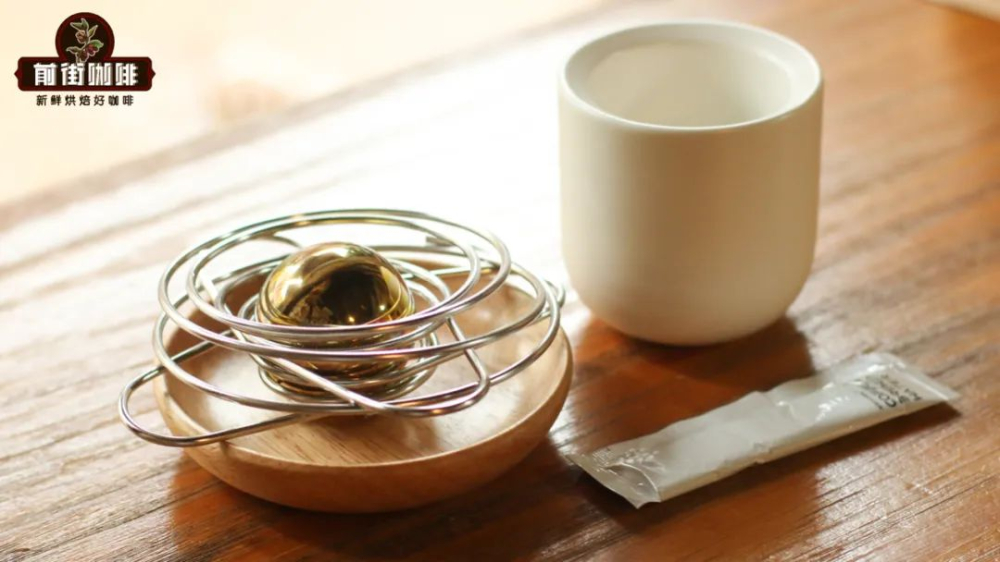
Key Tool #2: Paragon Ice Ball Cooling Mechanism
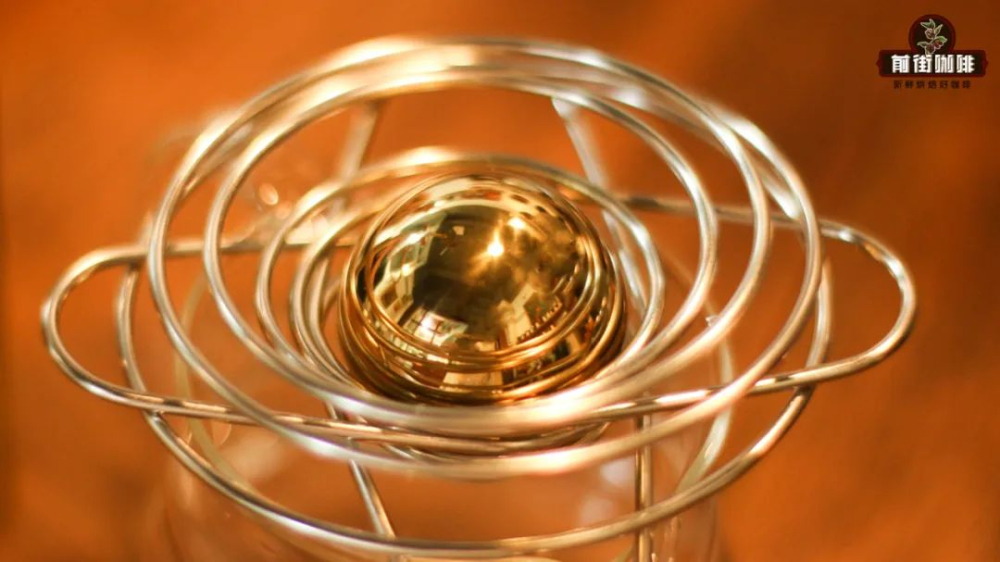
Designed to slow heat loss, this conical ice ball proved highly effective in cooling. Placed at the bottom of a server, the pre-chilled 4°C ice ball rapidly cools the coffee as it drips from the V60 filter — hot water brewed at 92°C typically results in a liquid temperature of 72°C in the control group, but with the ice ball, that drops to 63°C. This temperature range is believed to better highlight the coffee’s bright acidity and complex aromas, especially suited for beans like Huakui, which are high in sweetness and low in sourness or astringency.
Key Tool #3: Aroma-Focused Tasting Cup
The impact of cup shape on flavor perception is often overlooked. The aroma cup used in this test features a narrowed rim and curved body, effectively trapping volatile aromatic compounds and extending the time they interact with the nose. Testing showed that the same coffee poured into a regular espresso cup versus a professional tasting cup resulted in the latter delivering a noticeably stronger caramel finish and citrus top note — particularly helpful for beginners in forming a complete flavor profile.
The experiment strictly controlled variables: 15g of Huakui beans, a 1:15 coffee-to-water ratio, 20-mesh filter with 80% filtration rate, Ek43 grinder set to grind size 10, and a three-stage V60 brew method (total brew time 2 minutes). The only differences between the two groups were the water, cooling tool, and cup used.
Results revealed: The control group (no additional tools) produced coffee with soft notes of strawberry, apricot, and fig, featuring a round but somewhat flat acidity. The upgraded group, using the same base flavors, exhibited a livelier lemony acidity, more focused sweetness, and — thanks to the cup’s aroma-trapping effect — an overall aroma longevity increase of about 40%. In the blind tasting, all four participants (including two non-specialist coffee drinkers) chose the upgraded setup, confirming the tangible benefits of systematic optimization.
This experiment proves that while the impact of any single tool may be limited, when water quality, temperature management, and cup design work together, they deliver an unexpectedly enhanced sensory experience. Enthusiasts are encouraged to try this combination step-by-step — starting with blended water to adjust basic flavor, then introducing the ice ball and professional cup — gradually discovering their ideal brewing setup.
The above content is compiled by CoffeeHunters, a coffee news website.


